

Work
Getting Started in the Trades: A 7-Step Workwear Guide
This guide walks you through everything you need to know about building a solid workwear foundation—from your first pair of work boots to dressing for any given job site, whatever your trade or the weather.
Starting in the trades means learning fast. You're picking up new tools, new routines, and new expectations on the fly. The right workwear helps you show up prepared, stay comfortable through long shifts, and meet necessary safety requirements.

Step One: Check In with Your Employer First
Before you buy anything, check in with your foreman or journeyman. Requirements vary by trade, company, and location. Here's what to ask:
- Steel-toe or composite-toe boots? Some sites specify which type.
- Is flame-resistant (FR) clothing required? Electricians, welders, and oil and gas workers typically need FR-rated clothing.
- Is hi-vis (high-visibility) gear mandatory? Many construction and road-work sites mandate it.
- Are safety glasses or a hard hat required on day one? Your employer may supply these, but asking before you show up shows initiative.
- What's the work environment? Indoor, outdoor, heated warehouse, open-air site, or underground…the answer impacts what you wear.
When in doubt, assume you could be outside at any time. Dress in layers and keep a change of clothes in your vehicle until you've learned what to expect.

Step Two: Get Your Boots
Work boots are the foundation of your setup. You may be standing on concrete, climbing ladders, walking through mud, or carrying materials for hours at a time. A good pair should protect your feet without creating pressure points that distract you all day.
Pick Your Safety Toe
Most trades require safety-toe boots. The three main types are steel-toe, composite-toe, and carbon-toe. All three Ariat safety-toe options meet the same ASTM F2413-24 safety standard for impact and compression; the differences lie in materials, weight, and performance in your specific environment.
Steel Toe Work Boots
Steel toes offer a slim, low-profile fit and excellent compression resistance. They're a solid option for construction, warehouse jobs, and heavy industrial work in moderate climates. One thing to know: steel conducts temperature. In prolonged freezing conditions, the toe cap can get very cold. If you're working outdoors in harsh winters, this is worth factoring in.
Good for: Construction, warehouse jobs, general trades in moderate climates
Composite Toe Work Boots
Composite toes are about 11% lighter than steel and don't conduct heat or cold, making them a better all-season option, especially for outdoor workers in extreme temperatures. They're also 100% non-metallic, so they won't set off security scanners and are a strong choice for electricians who need to avoid metal near electrical systems.
Good for: Electricians, cold-weather outdoor work, sites with metal detectors or security screening
Carbon Composite Toe Work Boots
Carbon composite toes are thinner and lighter than standard composite, while delivering the same level of certified protection. The streamlined profile and reduced weight make them ideal for active jobs, climbing ladders, working in tight spaces, or spending long hours on your feet. They typically cost more, but for tradespeople who move a lot, the investment is worth it.
Good for: High-mobility trades, anyone on their feet all day, electricians, HVAC technicians
Full Safety Toe Breakdown: For a deeper breakdown of each type, see the Ariat Expert Guide to Safety Toes
Choosing the Right Outsole
Key features to know:
- Slip resistance (SR / SRO rated): SRO-rated outsoles are tested on wet and oily surfaces, important for plumbers, welders, mechanics, and anyone working around liquids.
- Heat resistance: Critical for welders, pavers, and anyone working near hot metal, asphalt, or high-heat surfaces. Look for boots with Duratread™ rubber outsoles, which are engineered for long-lasting wear and help resist breakdown from heat, oil, and abrasion. That added durability helps protect the boot where it takes the most abuse.
- Debris-release lugs: Important for outdoor tradespeople working in mud and gravel. These lugs are designed to shed debris and maintain consistent traction.
- Anatomical lasts: Some Ariat outsoles are built on a last that mirrors the natural shape of your foot, rising toward the big toe and sloping toward the pinky. This improves comfort on long shifts, especially on hard surfaces like concrete.
Get the full breakdown: Ariat Expert Guide to Outsole Technology
Getting the Right Work Boot Fit
Here are the key things to check:
- The boot should feel snug across the top of your foot, like a firm handshake, but never painful.
- The ball of your foot should align with the widest part of the boot, so it flexes naturally when you walk.
- Your toes should have wiggle room; the toe box won't stretch over time.
- Some heel slippage when you first walk is normal. It decreases as the boot breaks in.
Learn more about fit here: How Should Work Boots Fit?
Best Work Boots for New Tradespeople by Industry
Not sure where to start? Here are our top picks based on where you'll be working.
Best For General Construction
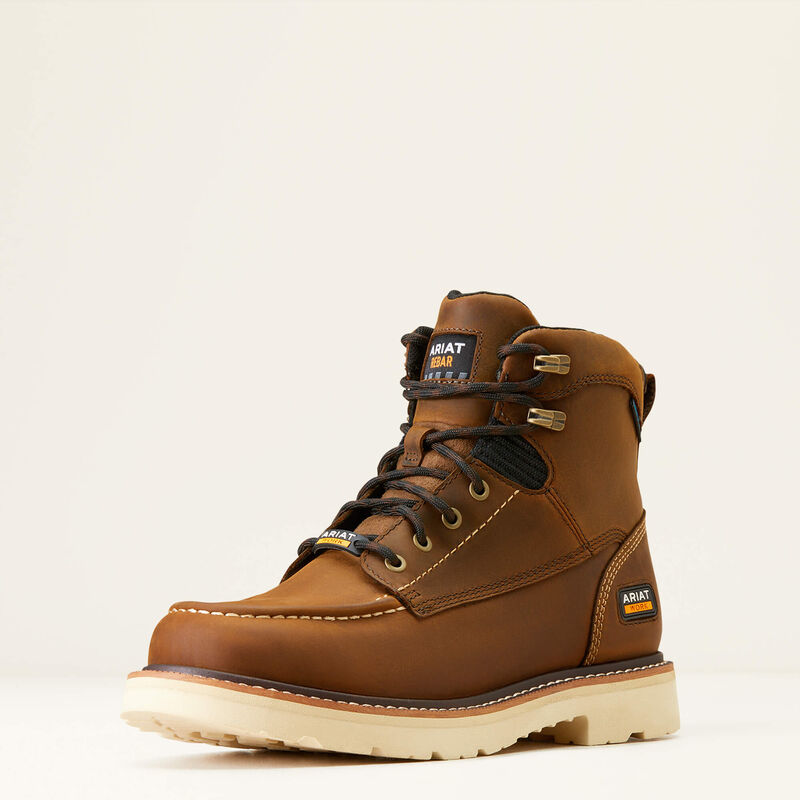
$189.95
Lightweight yet durable, Rebar® Lift delivers the cushioning and stability you need for long work days. Built to perform in outdoor conditions, and versatile enough to wear anywhere.
Best For Heavy Duty Construction
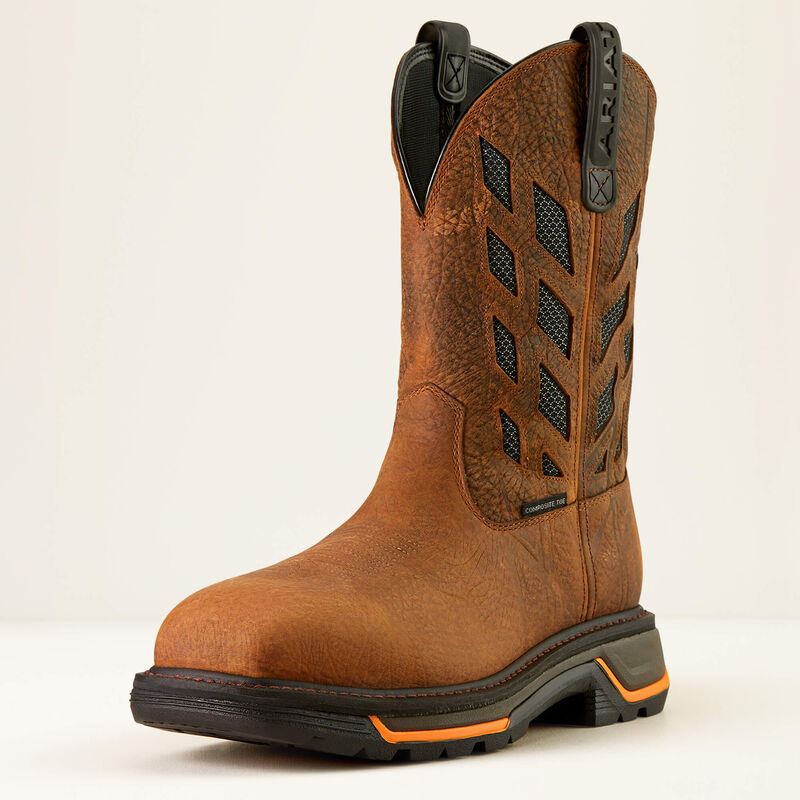
$244.95
Big-time durability, wider widths, and extended sizes—Big Rig is built from the ground up for hard wear. One of our heaviest-duty boots, it stands up to harsh environments like oilfields and industrial sites, and features a roomier opening for quick, easy entry.
Best For Oil & Gas Exploration

$259.95
The WorkHog® XT delivers maximum side-to-side stability with best-in-class cushioning and shock absorption. Extremely supportive and durable, it delivers lasting comfort in harsh outdoor work environments and oil and gas exploration.
Best For High-Heat Environments

$229.95
Fear no impact, feel no fatigue. Sierra Shock Shield® absorbs impact to reduce foot fatigue and keep you comfortable longer. Extremely durable, cushioned, and heat-resistant, it's ideal for harsh outdoor jobs, high heat environments, and intense construction work.
Best For Farm & Ranch

$174.95
Take a break from uncomfortable work boots. The Groundbreaker collection pairs just-right cushioning with versatile traction for an all-around boot that's best for construction, factory, warehouse, or farm and ranch work.
Best For Factory & Warehouse

$129.95
Street-ready style, jobsite-proven durability. Set on a long-lasting, slip-resistant sole, Outmatch keeps you safe and steady on warehouse and factory floors.
Step Three: Choose your Work Pants
Your choice of work pants matters more than most new apprentices expect. The right pair protects your legs, carries your tools, and moves with you through crouches, climbs, and long hours on hard surfaces. The wrong pair wears out fast, binds in the wrong places, and leaves you adjusting your gear all day.

Work Pants, Work Jeans, Bibs, and Belts
Ariat Work Pants
Ariat Made Tough work pants are engineered from the ground up for the demands of hard labor. The fit comes first: every pair is built around their unmatched fit system, then layered with flexible comfort so you can move freely through long days on the job. Durability follows from there, with triple-stitched seams that hold up under heavy wear, and heavy-duty zippers and hardware built for long-term reliability. On the practical side, a carabiner loop, utility pocket, and pen slot keep your essentials within reach without getting in the way. Whether you're on a job site or putting in hours in the field, these pants are made to keep up.
Shop all men's work pants to find your next pair.
Ariat Work Jeans
Ariat makes some of the best work jeans built for the trades. Denim holds up against rough surfaces, scrapes, and edges better than most fabrics. The tougher the better. Cheap jeans wear out fast and end up costing more over time than a quality pair that lasts.
Not all denim is built the same. What separates the Ariat Rebar collection from a generic pair off the shelf:
- ToughMax fiber is woven directly into the denim, not added as a panel or coating, making it twice as durable as standard cotton denim.
- The ring-spun construction creates stronger, softer yarns that resist friction and repeated wear and actually get more comfortable over time.
- Built-in stretch moves with you while you crouch, climb, and work long shifts—without sagging or binding.
- Tool-ready pockets, like knife slots, phone pockets, and flat hammer loops, are designed for how you actually work, not as an afterthought.
Rebar jeans are designed for everyday work where mobility and utility matter most. If your trade involves arc flash risk, sparks, or heat exposure, see Step 6 for FR requirements.
Deep Dive: A Guide to the Most Durable Work Jeans
Bibs
Experienced tradespeople reach for bibs more than newcomers expect. They fit looser than jeans, come off easily before you get in your vehicle, and depending on the material, breathe better in summer, or add warmth in winter. Use them as an outer layer over jeans or work pants on cold or dirty days.
Work Belts
Always wear a belt. Belts are expected on most job sites and are considered part of maintaining a professional appearance.

$50.00
Whether you're on the job or kicking back on the weekend, this rugged belt is an instant staple. The beautiful leather only gets better with time, becoming more unique with every wear.
Step 4: Build Your Layers
Dressing for the Environment
One of the most practical pieces of advice from experienced tradespeople: dress for your environment, not just your trade. Two electricians on different job sites, one in a climate-controlled facility, one in an unheated outdoor structure in January, need completely different gear.

Base layer
A moisture-wicking t-shirt or long sleeve. Long sleeves protect your arms from cuts, scrapes, fiberglass, and insulation. Many experienced tradespeople prefer long sleeves year-round for this reason.

$29.95
-
$32.95
Core to every Rebar™ CottonStrong™ T-shirt is our ultra-comfortable yet equally durable jersey fabric. We added a hidden pen slot to the chest pocket for easy access while you're on the job.
Mid layer
A sweatshirt or hoodie for temperature regulation. This is the layer you're most likely to add or remove throughout the day.
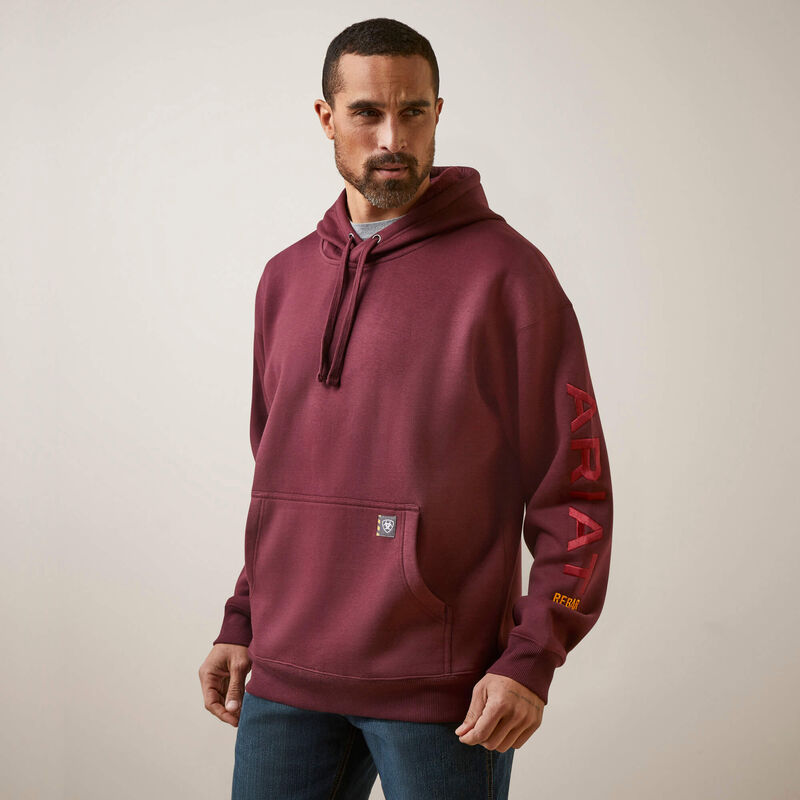
$64.95
-
$69.95
Staple of our Rebar line. Core part of the work outfit. Outerwear or jackets are taking a back seat to the layered look. Extra premium with water repellent fabric, interior cell phone pocket, embroidered arm logo.
Outer layer
A jacket or vest for cold, wet, or windy conditions. Bibs are a popular outer layer; they're looser than jeans, protect your clothes from dirt and grime, and are easy to remove before getting in your vehicle.

$139.95
-
$149.95
Tough where it counts and built to move, this water-repellent jacket helps keep you dry and comfortable through changing conditions. The durable exterior delivers flexible comfort, while the sherpa lining adds warmth without slowing you down.
Not sure how heavy to go? You can shop by warmth level to find the right jacket or vest for your conditions. Ariat rates outerwear across three levels: warm for mild or active work days, warmer for cold temps and extended time outside, and warmest for harsh winter conditions where you need serious insulation.
Cold-Weather Work
- Swap cotton socks for wool. Cotton holds moisture and gets cold; wool stays warm even when damp.
- Composite or carbon composite toe boots perform better in sustained freezing temperatures than steel toe boots.
- Insulated boots add warmth, but can add stiffness. Factor in extra break-in time!
- Keep dry layers in your vehicle for when the outer layers get wet.
Hot-Weather Work
- Lightweight, moisture-wicking base layers matter more than you'd think.
- Light-colored clothing reflects heat; darker colors attract it.
- Consider shorts as a base layer under jeans for easier removal at the end of your shift.
- Breathable denim and lightweight FR options exist and are worth considering in summer.
Step 5: Grab Your PPE
Even if your employer supplies PPE, showing up prepared makes a strong impression.
- Safety glasses: bring a basic pair; your employer may upgrade you to a better pair.
- Work gloves: leather palm gloves cover most general trades.
- Hi-vis vest or shirt: required on most outdoor and road-adjacent sites.
- Hard hat: your employer likely provides one, but having your own is never a bad idea.
- Ear protection: foam plugs are cheap and should be in every tool bag.
Step 6: Know Your Hazard Requirements
Arc Flash & FR Clothing
If you're entering the electrical trades, utilities, or oil and gas, you need to understand arc flash before your first day on the job. Arc flash is a sudden release of energy caused by an electrical fault. It generates intense heat, pressure, and light in a fraction of a second, and standard clothing won't protect you.
FR-rated clothing (also called arc-rated, or AR, clothing) is designed to resist ignition and reduce the risk of burn injury. It's not optional in many electrical environments as it’s required under NFPA 70E.
Key things to know:
- CAT ratings define the level of arc flash protection a garment provides. Higher CAT numbers mean higher protection.
- FR does not mean fireproof. It means the fabric resists igniting and self-extinguishes if exposed to flame.
- Layering FR garments increases your protection level.
- Your employer is required to conduct a hazard assessment and tell you what CAT level is required for your tasks.
Read our guide on Arc Flash Safety and AR Clothing Standards
Ariat offers FR jeans and FR work pants built with the same stretch and comfort as our standard Rebar line, so you get certified protection without sacrificing mobility on the job.
Step 7: Build Out Your Wardrobe Over Time
Boots first. A quality pair of safety-toe work boots with the right outsole will last for years and protect your long-term foot health. Get fitted properly, wear the socks you'll wear on the job, and walk around before you buy.
Two to three pairs of work pants. Start with jeans if you're unsure, since they're the most versatile option. Add dedicated work pants or bibs once you've learned what your job actually demands.
Add base layers and outerwear as you go. Basic t-shirts and long sleeves are fine to start. Spend more on outerwear: a good jacket or insulated vest gets daily use and justifies the cost.
Consider a workwear bundle. Ariat offers work packs and bundles that let you build out your workwear wardrobe in one go. This is a practical option when you're starting from scratch.
Frequently Asked Questions
Should I get steel toe or composite toe as a new apprentice?
Ask your employer first, some sites specify. If it's your call, a composite-toe boot is a versatile starting point: lighter, non-metallic, and better in extreme temperatures. Steel toe is a solid choice if you prefer a slimmer profile or work in moderate indoor or mild-weather conditions.
Do I need FR clothing right away?
Only if your job requires it; your employer is required to tell you. If you're entering the electrical, welding, or oil and gas trades, the answer is likely yes from day one. Never substitute regular clothing for FR-rated clothing and gear on a job site that requires it.
What's the difference between EH-rated and SD-rated boots?
EH (Electrical Hazard) boots provide a secondary level of protection against electrical shock in dry conditions, and most work boots are EH-rated. SD (Static Dissipative) boots are for environments where static discharge must be controlled, like electronics manufacturing or certain chemical environments. Check your job site requirements.
Is a belt actually required?
This isn’t always written into safety codes, but yes, wearing a belt is considered professional and is expected on most job sites. Beyond appearance, it keeps your tool pouch, phone, and gear secure when you're carrying weight on your hips all day.


