


298 items
298 items







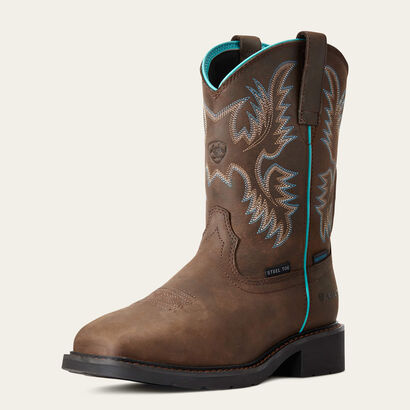


More About Women’s Workwear & Work Boots
Women’s Workwear & Work Boots
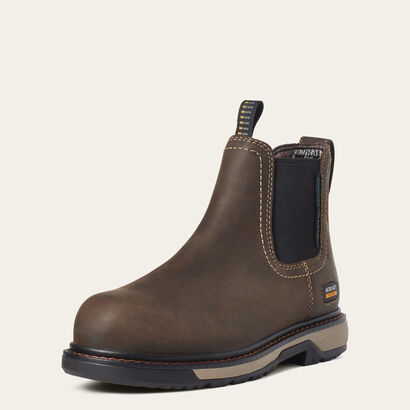
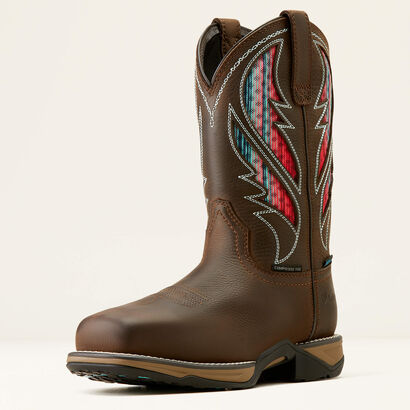
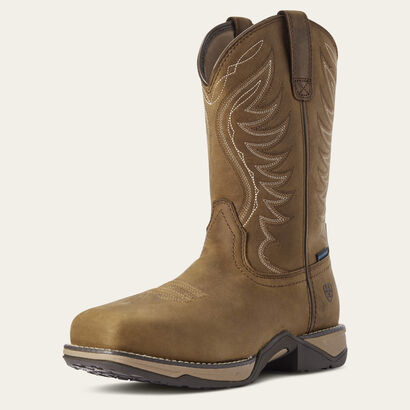
Women’s workwear is clothing and footwear chosen for the movement, conditions, and requirements of a job. Ariat’s range includes work jeans, pants, layers, work shoes, and Women’s Work Boots, with options for different tasks and worksites.
How Do You Choose Women’s Workwear?
Choose for the work you do first: consider how often you bend or kneel, what you carry, the weather, and any requirements set by your employer. For manual labor, look for work pants with durable fabric, seams and stress points suited to repeated movement, a fit that lets you squat comfortably, and pockets placed where tools or essentials will not get in the way. Compare those details with Women’s Work Jeans if you prefer denim; check each style’s construction rather than assuming all jeans or pants perform alike.
For wet conditions, consider Women’s Waterproof Work Boots; the Krista Waterproof Steel Toe Work Boot is one waterproof, steel-toe option to evaluate against your job’s requirements. If a protective toe is required, use Steel vs. Composite vs. Carbon Toe Work Boots to compare materials and check the individual boot’s listed specifications. For a workwear layer, the Rebar Workman Graphic Hoodie offers a different starting point than a pant or boot: choose its weight and fit for how you plan to layer it.
How Should Women’s Workwear Fit?
Work clothes should let you bend, reach, and squat without binding or slipping out of place; work boots should feel secure at the heel and midfoot while leaving your toes room to move. Take your natural waist and hip measurements, then consult the garment’s size chart to match its rise, inseam, and leg opening. Clothing and footwear use different size systems, so check the selected style’s available sizes; where offered, compare boot widths such as B-Medium and C-Wide rather than sizing up solely to gain width.
Try boots on with your usual work socks and walk in them: your toes should not press against the front or protective cap. New boots can feel firm, but pinching or sharp pressure is not a break-in goal. See How Should Work Boots Fit? for more try-on guidance.
Which Work Features Matter Most?
Match features to actual conditions and workplace rules. A safety toe is an option when your job calls for protective-toe footwear; browse Women’s Safety Toe Work Boots and confirm the specifications of the exact pair you select. Waterproof construction is intended to help keep feet dry in wet conditions, while a slip-resistant outsole is a feature to assess against the surfaces where you work, not a promise against slips.
Some styles combine features. The Rebar Wedge Moc Toe Waterproof Composite Toe Work Boot, for example, pairs waterproof construction with a composite toe; check its product details to decide whether that combination fits your job. Where listed on an individual style, ATS® technology is designed to provide stability and support, while a Duratread™ outsole is formulated for wear resistance and flexibility. For garments, check the specific style for features such as stretch or flame resistance rather than assuming they apply across the range.
How Do You Care for Workwear?
Follow the care label on each garment or boot first, and remove jobsite dirt before it builds up. For washable garments, turn them inside out and wash cold with similar colors; avoid high heat, and hang-dry or use low heat when the label permits. Flame-resistant clothing may have additional care requirements, so follow its specific label.
For boots, brush off loose dirt, clean them using methods appropriate to their materials, and let them dry away from direct heat. Check your pair’s care instructions and inspect worn areas before the next shift. If your boots are new, How to Break In New Work Boots can help you plan initial wear without treating painful pressure as normal.
Ariat was founded to bring athletic-shoe performance thinking to equestrian footwear. That focus on fit and function carries into women’s workwear: compare the details of each garment and boot against the demands of your day, from repeated movement to wet ground.
Frequently Asked Questions About Women’s Workwear & Work Boots
What counts as women’s workwear?
Women’s workwear includes clothing and footwear selected for job tasks and conditions, such as work pants, jeans, layers, shoes, and boots. The right combination depends on movement, weather, and any protection or clothing requirements your workplace sets.
Should I choose work jeans or work pants?
Choose by the garment’s construction and your tasks, not the name alone. Check fabric, stress points, pockets, and freedom to bend or kneel; then consider heat, outdoor conditions, and any workplace clothing requirements before choosing denim or another work pant.
How should women’s work boots feel when new?
They should hold your heel and midfoot securely while letting your toes move without pressing against the front or a protective cap. Try them with work socks and walk around; firmness may ease, but pinching or sharp pressure signals a fit problem.
Do I need a safety toe for work?
You need a safety toe when your workplace requires one, and you should confirm the required footwear specifications before buying. If it does not, choose features based on your tasks and conditions rather than assuming more protective-toe features are always necessary.
Can I wash every piece of workwear the same way?
No. Follow each item’s care label, particularly for flame-resistant garments and footwear. For washable clothing, cold water, similar colors, and avoiding high heat are useful starting points when the label allows them; boots need material-appropriate cleaning and drying.