

Women's Clothing
913 items
913 items
In 109+ Carts


In 199+ Carts


In 104+ Carts


In 81+ Carts


In 94+ Carts









More About Women’s Clothing
Women’s Clothing
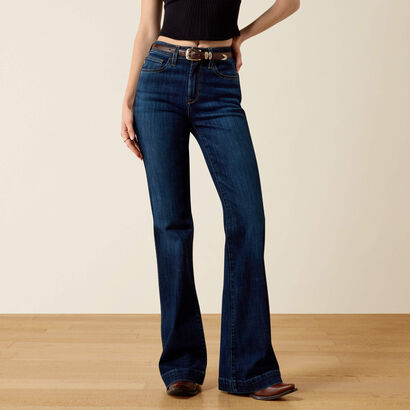
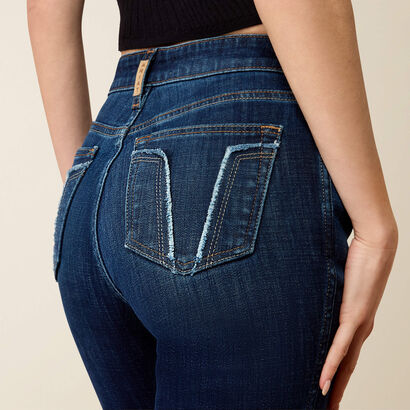
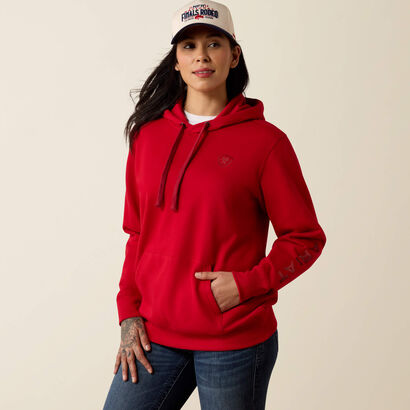
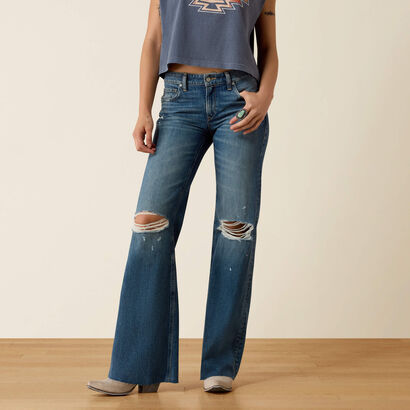
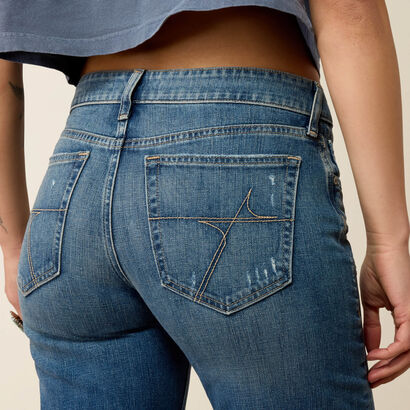
Women’s clothing includes jeans, tops, layers, dresses, and riding apparel for everyday wear, work, and time in the saddle. Ariat’s R.E.A.L. Mid Rise Stretch Entwined Boot Cut Jean is one example of how rise, stretch, and leg shape distinguish styles within the collection.
How Do You Choose Women’s Clothing?
Start with where you’ll wear it, then consider the weather and how much room you need to move. For riding in colder conditions, explore Equestrian Winter Clothing & Footwear; for changing temperatures, Fall Clothing & Footwear offers seasonal options.
For everyday outfits with Western boots, bootcut and wide-leg jeans have openings that sit cleanly over the shafts. Choose a rise you find comfortable and a hem that works with the boots you plan to wear.
How Should Women’s Clothing Fit?
Clothing should let you sit, bend, and reach without pulling at the shoulders, waist, or hips. For jeans, take your natural waist and hip measurements, then consult the style’s size chart to match its rise, inseam, and leg opening. A mid-rise sits comfortably at the hip; an ultra-high rise sits higher on the waist, as illustrated by the Ultra High Rise Mavis Wide Leg Jeans.
Sizes on this page include letter sizes and numeric or waist sizes, depending on the garment; availability varies by style. Apparel width is generally expressed through cut and leg opening rather than footwear-style width options. With Western boots, check that the opening covers the shaft; for a traditional bootcut look, aim for a slight break at the front and a back hem that reaches around halfway down the boot heel while standing.
Which Fabric and Construction Details Matter?
For quality women’s workwear, look for fabric suited to abrasion, sound seams, reinforcement at high-wear points where needed, secure closures, and enough mobility for the task. Check each garment’s details rather than assuming those features are present across the collection; Breathable Clothing is a useful comparison when comfort in warmer conditions matters.
Stretch can help a garment move with you, while a jacket or vest adds a layer when conditions change. Ordinary clothing is not a substitute for protective apparel required for a specific job or hazard; verify any workplace requirements before choosing what to wear.
How Do You Care for Women’s Clothing?
Always follow the care label on your specific garment. As a general starting point, turn clothing inside out, wash on cold with similar colors, and avoid high heat; hang-dry or use low heat when the label permits to help preserve fabric and color. Check the label on a particular style, such as the Mid Rise Entwined Festival Boot Cut Jeans, before washing or drying it.
Ariat was founded to bring performance-focused design to equestrian footwear. That practical approach also informs clothing made for riding, work, and everyday life, with the right fit and features depending on how you plan to wear each piece.
Frequently Asked Questions About Women’s Clothing
What kinds of clothing are in this collection?
The collection includes jeans, pants and shorts, tops, jackets and vests, dresses and skirts, and riding-specific breeches and tights. Start with the garment type you need, then compare fit, fabric, and intended use within that category.
How do I choose jeans to wear with Western boots?
Bootcut and wide-leg openings sit over Western boot shafts without bunching around the top. For a casual outfit, compare rise and wash as well as leg shape, and check the hem while wearing the boots you intend to pair with the jeans.
What makes workwear worth a closer look?
Consider fabric durability, seam construction, reinforcement where abrasion is likely, closures, and freedom of movement. Inspect the features listed for the specific garment; if your job requires protective clothing, confirm its suitability against your workplace’s requirements rather than relying on appearance alone.
How should I check my clothing size?
Measure your natural waist and hips, then use the individual style’s size chart. For jeans, compare rise, inseam, and leg opening too. Letter and numeric sizing vary by garment, so a size that fits in one style may not fit identically in another.
What should I prioritize for warmer days?
Consider fabric weight, breathability, and whether the fit leaves room to move comfortably. Compare the details of individual tops and layers rather than assuming every style feels the same; your activity and the day’s conditions should guide the choice.
What is the best way to wash jeans and other clothing?
Follow each garment’s care label first. Turning clothes inside out, washing cold with similar colors, and avoiding high heat are useful general practices; choose hang-drying or low heat only when the specific label allows it.