

Safety Toe Work Boots
165 items
165 items
In 45+ Carts


In 68+ Carts


In 137+ Carts
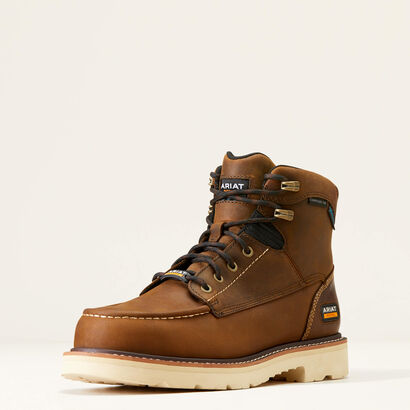

In 67+ Carts
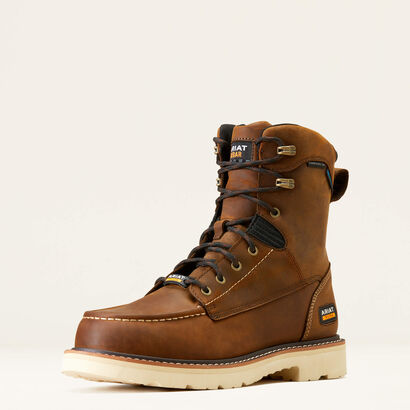


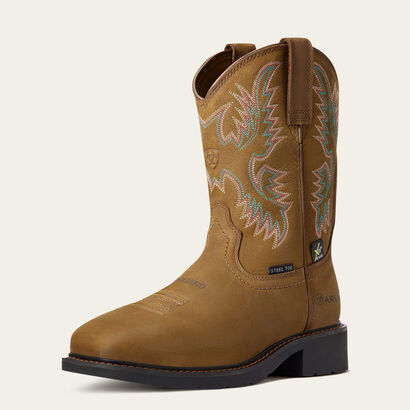
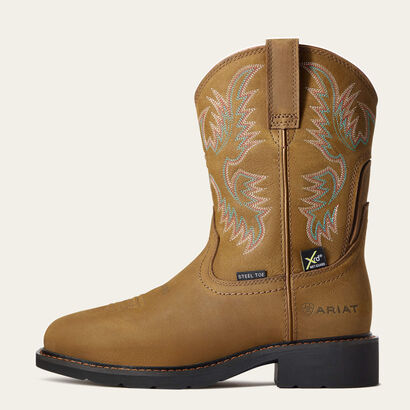


In 49+ Carts

In 56+ Carts


In 46+ Carts


In 46+ Carts


In 45+ Carts






More About Safety Toe Boots
Safety Toe Boots
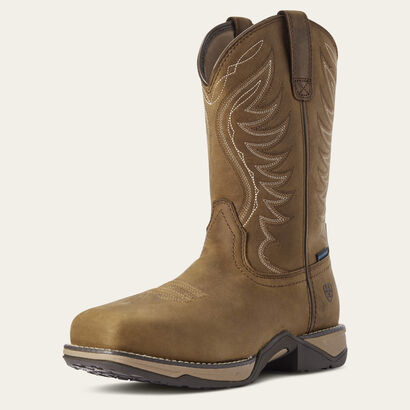
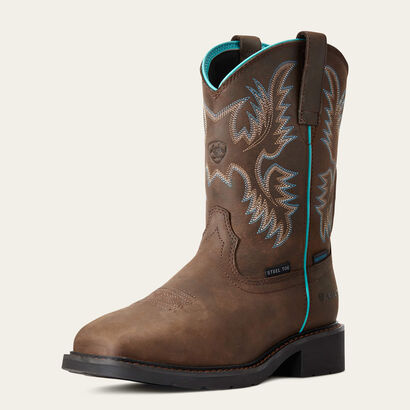
Safety toe boots are work boots with a protective toe cap designed to help guard against impact and compression hazards where that protection is required. Steel, composite, and carbon are different toe-cap materials; the right choice depends on your job requirements and fit, not material alone. For a closer comparison, see Steel vs. Composite vs. Carbon Toe Work Boots.
How Do You Choose Safety Toe Boots?
Start with your workplace’s required safety rating, then choose the toe material and features that suit your conditions. Steel toe is a familiar choice when weight is less of a priority; composite and carbon toes offer nonmetallic toe-cap options for shoppers who prefer them. Any of the three can be appropriate when the specific boot carries the impact and compression ratings your job requires; check its product specifications rather than assuming all styles share a rating. Best Composite Toe Work Boots offers a more focused comparison.
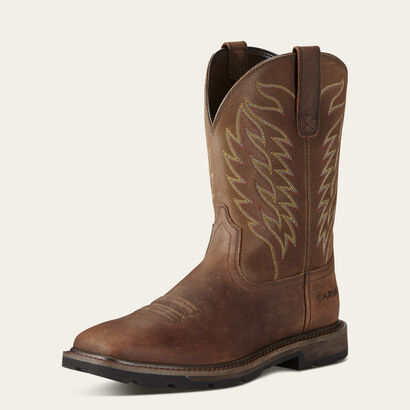
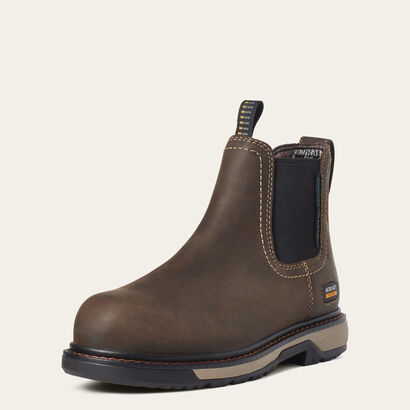
Next, match the rest of the boot to the shift. For wet work, the Groundbreaker Chelsea Wide Square Toe Waterproof Steel Toe Work Boot combines a steel toe with waterproof construction; for a waterproof composite-toe option with a wedge sole, consider the Rebar Wedge Chelsea Waterproof Composite Toe Work Boot. The Groundbreaker Wide Square Toe Steel Toe Work Boot is another steel-toe style to compare if waterproofing is not on your checklist.
For construction or daily work, also check whether the job calls for electrical-hazard, puncture-resistant, metatarsal-guard, or other specified features; a safety toe does not provide all of them by itself. Compare outsole design and cushioning for long hours on concrete, explore Wedge Work Boots if that sole shape interests you, or browse 8-Inch Safety Toe Work Boots if you prefer a taller shaft. For a lace-up carbon-toe style, confirm the closure, fit, and safety markings on the individual product page.
How Should Safety Toe Boots Fit?
Your toes should move freely without pressing against the protective cap, while the heel and midfoot feel secure as you walk. Try on both boots with your usual work socks, preferably later in the day, and fit the larger foot; do not count on a rigid toe cap stretching to make a tight boot comfortable.
Use the size chart for the style you choose, then check its available width rather than sizing up solely to gain toe room. This category includes multiple men’s and women’s sizes and width filters, including medium, wide, narrow, and 4E options; availability varies by boot. How Should Work Boots Fit? provides a fuller fitting walkthrough.
Which Features Matter for Your Workday?
Waterproof construction is designed to help keep feet dry in wet conditions, while breathable materials may feel more comfortable in heat. Insulation is worth checking for cold work; choose enough room for the socks you will actually wear without losing a secure fit. If airflow is a priority, compare Breathable Workwear Boots alongside the safety-toe options and specifications you need.
Ariat’s VentTEK™ cooling mesh is designed to promote airflow. ATS® technology provides stability and support, while 4LR™ technology provides cushioning and stability. Shock Shield™ diffuses heel-strike impact; availability varies by style, so confirm each feature on the product page. A composite toe itself is generally nonmetallic, but shanks, eyelets, zippers, or other hardware may contain metal, so check the entire boot’s specifications if metal detection matters at work.
How Do You Care for Safety Toe Boots?
Brush off dirt, clean the boot with products appropriate for its materials, and let it dry away from direct heat. Follow the care instructions for your specific style, and regularly inspect the upper, sole, seams, and toe area for wear or damage. For consistently wet jobs, Waterproof Work Boots can help narrow the search, but waterproof construction still needs routine cleaning and care.
Ariat was founded to bring athletic-footwear innovation to riding boots. That focus on performance and fit also shapes its work footwear, with safety toe boots offered in different materials, constructions, and comfort features for different workdays.
Frequently Asked Questions About Safety Toe Boots
What makes a work boot a safety toe boot?
A safety toe boot has a protective cap at the front of the boot intended for impact and compression hazards. The cap may be steel, composite, or carbon. Check the individual boot’s safety markings against your workplace requirements.
Which safety toe material should I choose?
Choose the boot that meets your required safety rating and fits your work. Steel is a traditional option; composite and carbon offer nonmetallic toe-cap alternatives. Compare the complete boot’s weight, fit, insulation, and construction rather than choosing by cap material alone.
Will a composite toe boot pass through a metal detector?
A composite toe cap is generally nonmetallic, but the rest of the boot may contain metal in its shank, eyelets, zipper, or other components. If your workplace requires metal-free footwear, verify the complete style’s specifications before buying.
How should a new safety toe boot feel at the toes?
Your toes should have room to move without touching or being pressed by the protective cap when you stand and walk. Try both boots with work socks, and consider another size or width if the cap feels tight.
What should I check for wet or cold work?
Start with the safety rating your job requires, then check for waterproof construction, suitable insulation, and an outsole appropriate to your conditions. Try the boots with your intended socks so added warmth does not come at the expense of fit.
When should I inspect or replace safety toe boots?
Inspect them regularly for a damaged upper, separating sole, exposed toe cap, or other visible wear. Clean and dry them according to their materials, and follow your workplace’s replacement policy if damage could affect required protection.