

Waterproof Work Boots
163 items
163 items
In 42+ Carts


In 52+ Carts


In 45+ Carts


In 45+ Carts


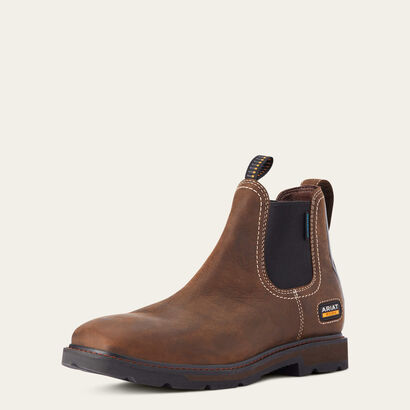


In 137+ Carts
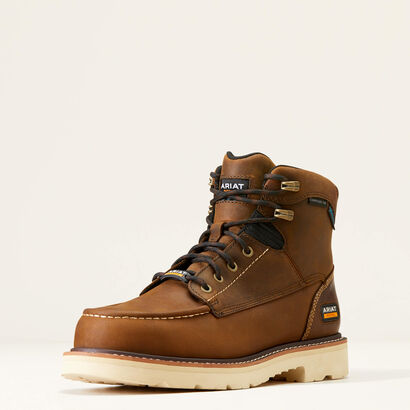


In 67+ Carts
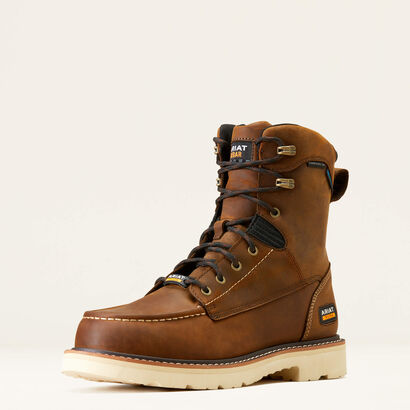


In 76+ Carts


In 46+ Carts
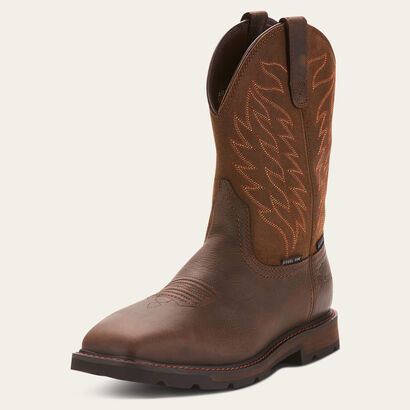

In 56+ Carts


In 68+ Carts


In 40+ Carts


In 46+ Carts


In 50+ Carts


More About Waterproof Work Boots
Waterproof Work Boots
Waterproof work boots are work footwear built with waterproof construction to help keep feet dry in rain, mud, and other wet conditions. Styles range from pull-on designs to options such as the Turbo Chelsea Waterproof Work Boot; waterproofing is separate from safety-toe protection, so check both features when your job requires them.
How Do You Choose Waterproof Work Boots?
Start with your working conditions: waterproof boots make sense for frequent rain, mud, or wet ground, while a drier, hotter workplace may call for greater breathability instead. Compare Breathable Workwear Boots if airflow is a higher priority, and consider Men's Pull-On Work Boots if you prefer a pull-on style.
Next, check the safety features your workplace requires, including toe protection, electrical-hazard protection, or puncture resistance; waterproof construction alone does not provide those protections. The Men's Safety Toe Work Boots category helps narrow protective-toe choices, while the WorkHog CSA XTR Waterproof Composite Toe Work Boot is one waterproof composite-toe option to compare against your job’s requirements.
How Should Waterproof Work Boots Fit?
Waterproof work boots should hold your heel and midfoot securely while leaving room for your toes to move; in a safety-toe boot, your toes should not press against the protective cap when you stand, walk, or bend. Try on both boots with your usual work socks and use the How Should Work Boots Fit? guide for a more detailed fit check.
Compare your measurements with the size chart for the specific style rather than assuming every boot fits alike. This category lists men’s and women’s sizes and width options including medium, wide, narrow, and 4E; available sizes and widths vary by boot.
Which Features Matter in Wet Conditions?
Choose steel, composite, or carbon toe protection according to your job’s safety requirements and your preferences for weight and temperature: steel is a metal option, while composite and carbon are nonmetallic toe-material choices. Toe material does not establish a boot’s waterproof performance, and a material name alone does not confirm a required safety rating; check the individual product specifications. The Steel vs. Composite vs. Carbon Toe Work Boots guide explains the comparison, and Men's Carbon Toe Work Boots offers another protective-toe category to explore.
Waterproof construction is designed to help limit water entry in wet conditions; check each boot’s details for its construction and intended use. ATS® technology supports stability, while a slip-resistant outsole is intended to help provide traction on applicable surfaces; verify that the style you choose lists the features you need. For colder wet work, the WorkHog CSA Waterproof Insulated Composite Toe Work Boot is an example combining waterproof construction, insulation, and a composite toe.
How Do You Care for Waterproof Work Boots?
Brush off dirt and mud, wipe the boots clean as directed for their materials, and let them dry naturally away from direct heat. Follow the care instructions for your specific style before applying any cleaner or waterproofing treatment, and inspect the boots regularly for damage or wear. If the pair is new, How to Break In New Work Boots offers separate guidance on easing into wear; it is not a waterproofing-care guide.
Ariat was founded to bring athletic-footwear innovation to riding boots. That performance-minded approach informs work footwear designed for demanding days; choose the waterproof style and safety features that match your conditions and workplace requirements.
Frequently Asked Questions About Waterproof Work Boots
Are waterproof work boots a good choice for a first pair?
Yes, if rain, mud, or wet ground are regular parts of your workday. If you mainly work in dry, hot conditions, compare breathable options before choosing waterproof construction, which may feel less airy.
Does a waterproof work boot also have a safety toe?
Not necessarily. Waterproofing addresses wet conditions, while a steel, composite, or carbon safety toe addresses a separate workplace requirement. Check the individual boot’s features and safety specifications rather than assuming one feature includes the other.
Which safety toe should I choose for a waterproof boot?
Start with your employer’s required safety rating, then compare toe materials. Steel is metal; composite and carbon are nonmetallic choices. Consider fit, weight, and working conditions, and verify the selected boot’s listed rating before buying.
Can waterproof work boots be worn in cold weather?
Yes, but waterproofing and insulation serve different purposes. For cold, wet work, look for a style that lists both features and has room for your work socks without crowding your toes, especially inside a safety cap.
How can I tell whether waterproof work boots fit correctly?
Your heel and midfoot should feel secure, with room for your toes to move. Try both boots with work socks, walk and bend in them, and make sure your toes do not press against a safety cap.