


Work
Best Composite Toe Work Boots: Top Picks for Comfort, Weather, and Work Conditions
When your job requires safety-toe protection but you want to reduce the weight on your feet, composite toe work boots are worth considering.
The best composite toe work boot for you comes down to what you need beyond the toe, including waterproofing, cushioning, breathability, outsole performance, and the conditions you work in.
Find the Best Composite Toe Work Boots for Your Job
Already know what you need? Jump to our top Ariat composite toe work boots by use case:
- Best Overall Composite Toe Work Boots
- Best Lightweight Composite Toe Work Boot
- Best Waterproof Composite Toe Work Boot
- Best Composite Toe Work Boots for All-Day Wear
- Best Composite Toe Work Boots for Hot Weather
- Best Metal-Detector-Friendly Composite Toe Work Boot
- Best Insulated Composite Toe Work Boots for Cold and Wet Conditions
What Is a Composite Toe Work Boot?
A composite toe work boot uses a non-metallic protective toe cap rather than steel. Composite safety toes can be made from strong non-metal materials engineered to provide impact and compression protection while reducing weight and limiting temperature transfer.
For workers, that construction has several practical advantages. Composite toes weigh less than steel, do not conduct temperature the way steel does, and contain no metal. That can make them particularly useful for cold-weather work, long shifts, and workplaces where non-metallic safety footwear is needed.
Protection should still come first. All Ariat composite toe work boots meet ASTM F2413 requirements for impact and compression. Always check your employer or jobsite requirements before selecting any safety footwear.

What Makes a Great Composite Toe Work Boot?
Once you've decided on a composite safety toe, evaluate the rest of the boot against the conditions of your job. The toe material is only one part of what determines how a work boot performs through a shift.
If Weight Matters, Consider the Whole Boot
Reduced weight is one of the main reasons workers choose composite over steel. Ariat composite toes are approximately 25% lighter than steel toes, which reduces the amount of weight built into the protective toe.
But the lightest-feeling boot is not determined by the safety toe alone. The upper, outsole, cushioning, shaft height, and overall design all contribute to how a boot feels on your foot. For long shifts, consider the complete boot rather than choosing solely by safety-toe material.
Consider the Temperature You Work In
Composite toes resist temperature transfer, which can make them more comfortable in cold environments than steel. Steel can take on the surrounding ambient temperature during prolonged exposure to extreme cold, while composite material does not conduct temperature in the same way.
This makes composite-toe boots a strong option for outdoor workers dealing with cold weather or cold surfaces. If your job involves freezing conditions, also consider whether you need insulation and weather protection in the boot.
Know When Metal-Free Footwear Matters
Because composite safety toes do not contain metal, they can be useful in work environments where non-metallic footwear is preferred or required. They also will not set off security scanners because of the safety toe.
Check the complete boot specifications if your workplace requires metal-free footwear. A composite toe itself is non-metallic, but that does not necessarily mean every component used elsewhere in a particular boot is metal-free.
Confirm the Safety Rating
A lighter safety toe should not mean giving up required protection. Ariat composite toe work boots meet ASTM F2413 requirements for impact and compression, just as Ariat steel and carbon composite safety toes do.
Match the Rest of the Boot to the Job
Once the safety requirement is covered, consider what the rest of your workday demands. Outdoor workers may need waterproof construction or traction suited to uneven terrain, while someone standing on hard indoor floors may place more emphasis on cushioning and support. Hot-weather work can make breathability more important, while outdoor work in colder climates may call for insulation.
This is where the best composite toe work boot becomes job-specific. Start with the type of safety-toe protection, then choose the construction and features that address the conditions you encounter most often.

Best Composite Toe Work Boots for Different Jobs and Needs
The best composite toe work boots pair ASTM-rated toe protection with features suited to the way you work. From waterproof pull-ons for outdoor jobs to breathable boots for hot weather and metal-detector-friendly styles for specialized workplaces, these Ariat picks address different conditions and priorities.
Best Overall Composite Toe Work Boots
The WorkHog Waterproof Composite Toe Work Boot is our best overall pick because it brings together a well-loved Western work boot design with features built for demanding days outdoors. The easy pull-on construction has a classic Western profile, while side-to-side stability and a Pro Performance insole provide support and comfort underfoot. Waterproof construction adds protection for jobs that regularly involve wet or muddy conditions.
Best for: Oil and gas exploration, farm and ranch work, outdoor chores, uneven ground, wet conditions

S$ 345.00
The WorkHog® delivers exceptional side-to-side stability with cushioning and shock absorption. Loaded with comfort and durability, it's designed to withstand harsh outdoor work environments and oil and gas exploration.
Best Lightweight Composite Toe Work Boot
The Rebar Wedge Pull-On Waterproof Composite Toe Work Boot combines lightweight construction with the convenience of a pull-on design. Its oil- and slip-resisting SMARTLITE™ TPU outsole and composite safety toe work together to help keep overall boot weight down, while the tall waterproof profile provides plenty of coverage for wet conditions.
Best for: Construction, all-day wear, workers looking for a lightweight work boot, wet conditions

S$ 300.00
Classic work boot style, loaded with comfort. Rebar® Wedge has the cushioning, support and stability you need for long days on hard surfaces. Built to perform in outdoor conditions, like construction, concrete, masonry, agricultural or landscaping work but versatile enough for indoor jobs.
Best Waterproof Composite Toe Work Boot
The Rebar Lift 8" Waterproof Composite Toe Work Boot pairs lightweight construction with a lace-up design for a more secure fit and coverage around the ankle in wet conditions. Its eight-inch height provides additional coverage up the lower leg, while the traditional work-boot profile transitions easily from the jobsite to everyday wear.
Best for: Construction, all-day wear, workers looking for a lightweight work boot, wet conditions
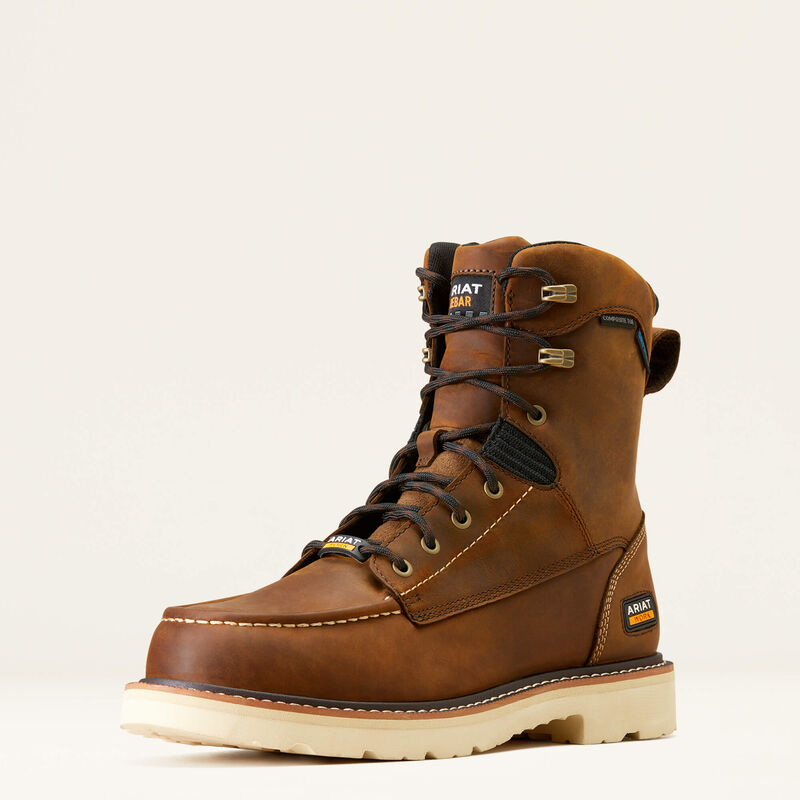
S$ 300.00
Lightweight yet durable, Rebar® Lift delivers the cushioning and stability you need for long work days. Built to perform in outdoor conditions, and versatile enough to wear anywhere.
Best Composite Toe Work Boots for All-Day Wear
The Outpace™ Composite Toe Safety Shoe combines sneaker-like comfort with the protection of a work shoe. Long-lasting cushioning makes it particularly well suited to workers who spend long shifts standing and walking, while its composite safety toe provides required protection without the additional weight of steel.
Best for: Factory and warehouse work, slick surfaces, hard floors
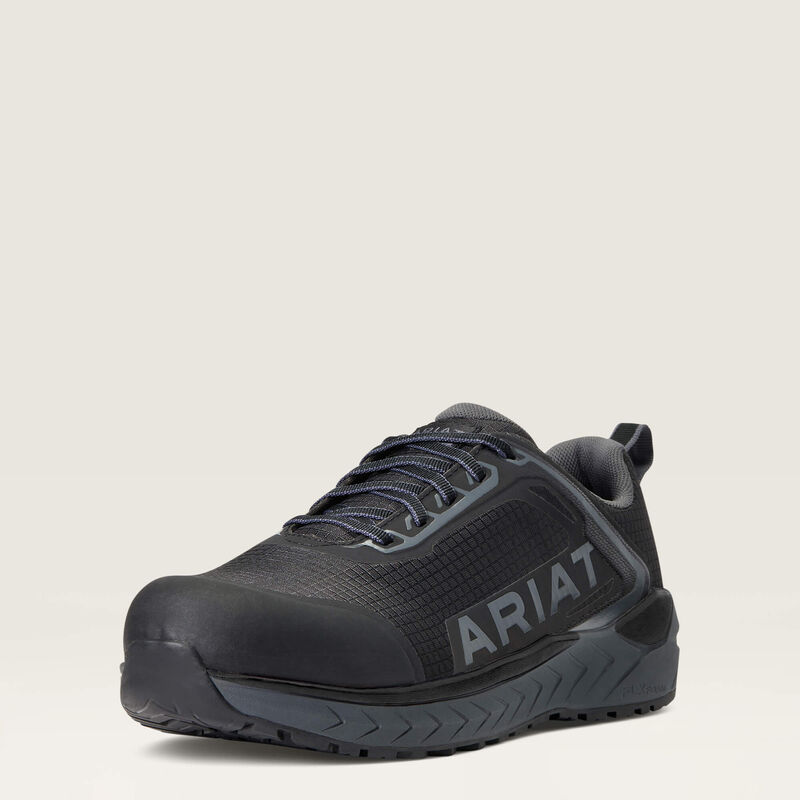
S$ 180.00
Sneaker-like comfort meets work-shoe safety and durability. Built for indoor environments, Outpace™️ has a slip-resistant outsole and long-lasting cushioning you need for working long shifts on hard floors.
Best Composite Toe Work Boots for Hot Weather
The Intrepid VentTEK™ Composite Toe Work Boot has VentTEK™ mesh panels in the shaft that enhance airflow and help keep you cool and comfortable in warmer working conditions. Its composite safety toe also resists temperature transfer, making the Intrepid a great overall choice for workers spending long days in the heat.
Best for: Heavy-duty construction, outdoor jobs, warmer working conditions
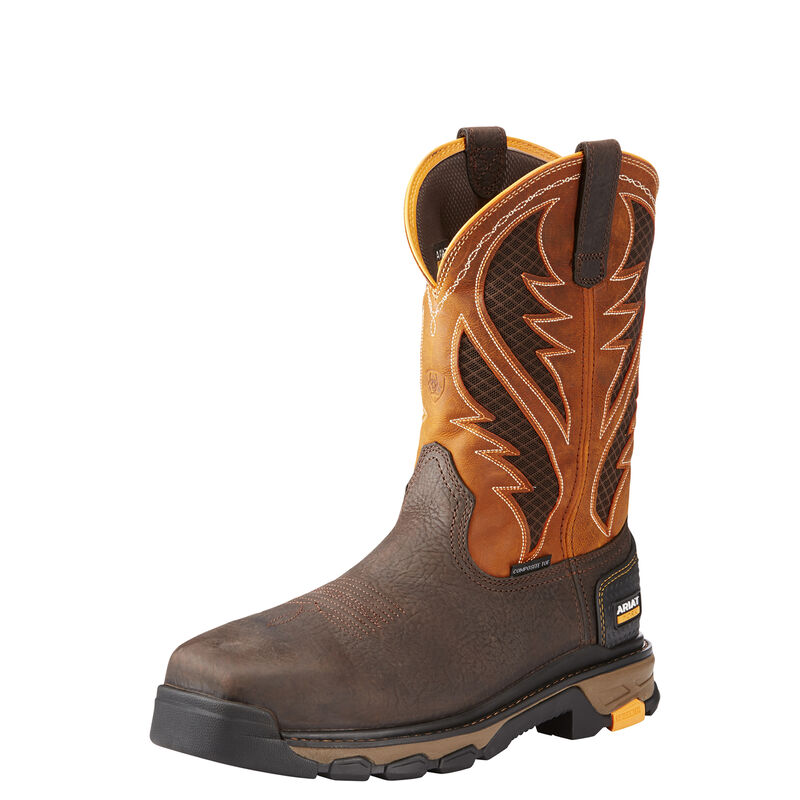
S$ 355.00
With groundbreaking SpiderTEK® technology delivering long-lasting support, rebound, and shock-absorption, Intrepid™ is tough enough for it all. The roomier toe box keeps feet comfortable while you kneel and lift, and extra stability makes it a great choice for rugged outdoor work environments or heavy-duty construction.
Best Metal-Detector-Friendly Composite Toe Work Boot
The Outpace Shift 6" SD Waterproof Composite Toe Work Boot is designed for specialized workplaces where metal-detector-friendly footwear may be a requirement. Its completely metal-free construction pairs with sneaker-like comfort and long-lasting cushioning, making it a great choice for workers who spend extended periods on their feet. Waterproof construction adds another layer of protection for jobs where moisture may also be present.
Best for: Factory and warehouse work, jobsites that require metal-detector-friendly footwear, slick surfaces, hard floors

S$ 245.00
Sneaker-like comfort meets work-shoe safety and durability. Built for indoor environments, Outpace™️ has a slip-resistant outsole and long-lasting cushioning you need for working long shifts on hard floors.
Best Insulated Composite Toe Work Boots for Cold and Wet Conditions
The Stump Jumper 8" CSA Glacier Grip Waterproof 600g Composite Toe Work Boot is built for demanding outdoor environments where cold, moisture, mud, and rough terrain can converge. 600g 3M™ Thinsulate™ Insulation helps retain warmth, while an aggressive, debris-releasing tread helps shed mud and other organic matter. Glacier Grip™ adds specialized traction for snow and icy conditions.
Best for: Heavy-duty construction, cold-weather jobs calling for insulation, snow and icy conditions

S$ 380.00
Extreme outdoor work environments call for an extreme outdoor work boot. Stump Jumper delivers the durable support, protection, and incredible cushioning you need for long days on your feet. The aggressive, debris-releasing outsole is built to tackle mud and rocks, making it the ideal boot for harsh outdoor work environments and heavy duty construction.
Composite Toe vs. Steel Toe vs. Carbon Composite Toe
Composite toes are lighter than steel, contain no metal, and resist temperature transfer. Steel provides a slimmer, more traditional safety-toe profile but is heavier and can take on ambient temperature in extreme cold. Carbon composite is the lightest Ariat safety-toe option and can be engineered with a slimmer profile than traditional composite.
Test: Is a Composite Toe Work Boot Right for Your Job?
Composite, steel, and carbon composite safety toes can all provide certified protection. All three Ariat safety-toe types meet ASTM F2413 requirements for impact and compression, so choosing among them is less about getting more protection and more about selecting the construction that suits your work. A composite toe may be the right choice if several of these statements describe your work:
- You want less weight in the toe: Composite safety toes reduce weight compared with steel, making them worth considering when minimizing weight is a priority.
- You work in temperature extremes: Composite does not conduct temperature like steel, which can make it a practical choice for work in very cold.
- You need a non-metallic safety toe: Composite toe caps contain no metal, making them useful for certain security-sensitive and specialized workplaces. Remember to check the specifications of the whole boot if metal-detector-friendly is a requirement for your workplace.
- You still need certified protection: Ariat composite toe work boots meet ASTM F2413 requirements for impact and compression, the same standard met by Ariat steel and carbon composite safety toes.
- Your workplace allows composite toes: Always confirm your employer's footwear requirements before choosing a safety-toe material.
If those specifications match your job, the next step is choosing a composite toe boot with the waterproofing, insulation, breathability, outsole, and comfort features appropriate for your work environment.
If you’re still deciding which safety-toe material makes the most sense for your work environment, see Know Your Safety Toe: The Right Work Boot Protection for the Job, where Ariat Head of Design for Footwear Jake Rivas breaks down steel, composite, and carbon composite options in more detail. For a direct side-by-side comparison of safety-toe types and guidance on choosing one for your work, see Safety Toe: Which Is Right for Your Job? Steel vs. Composite vs. Carbon.
Composite Toe Work Boots FAQ
Are Composite Toe Boots as Safe as Steel Toe Boots?
Yes. Composite and steel safety toes in Ariat work boots meet the same ASTM F2413 impact and compression requirements. The primary differences are in their construction, weight, profile, temperature transfer, and metal content, not the level of certified impact and compression protection.
Are Composite Toe Boots Lighter Than Steel Toe Boots?
Yes. Ariat composite toes are approximately 25% lighter than steel toes. Keep in mind that the total weight of a work boot also depends on its outsole, upper, shaft height, waterproofing, insulation, and other components.
Are Composite Toe Boots Good for Cold Weather?
Composite toe boots can be a strong choice for cold-weather work because composite material resists temperature transfer. Unlike steel, it does not take on the surrounding ambient temperature in the same way. For prolonged work in freezing conditions, consider the boot's insulation, waterproofing, outsole, and overall cold-weather construction as well.
Do Composite Toe Boots Set Off Metal Detectors?
The composite safety toe itself is non-metallic and will not set off a metal detector. However, other components in a work boot may contain metal, so workers who require completely metal-free footwear should check the specifications of the entire boot.


