

Women's Rain Boots
23 items
23 items


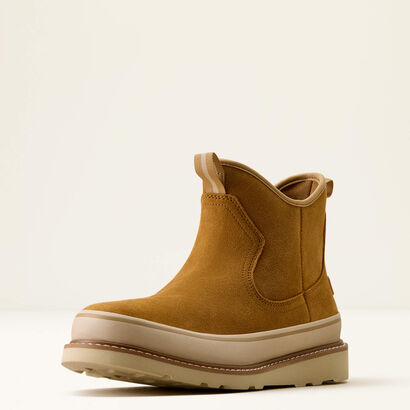
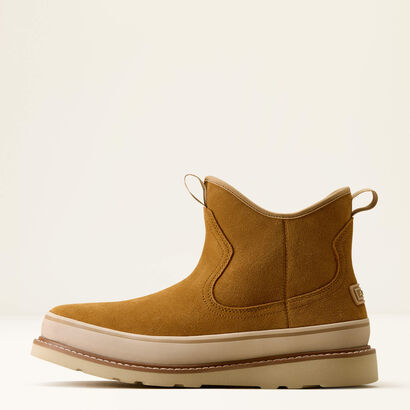
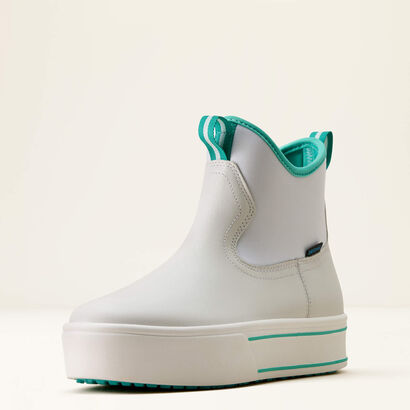
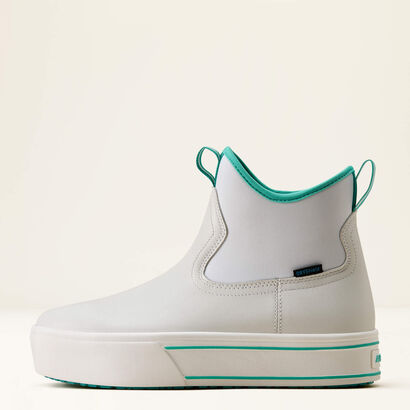


More About Women’s Rain Boots
Women’s Rain Boots
Women’s rain boots are footwear designed for wet, muddy conditions, with an upper that helps shield your feet from rain and splashes. Rubber styles such as the Swinbrook Rubber Boot offer a place to start when browsing this collection.
How Do You Choose Rain Boots?
Choose women’s rain boots by where you’ll wear them and how much coverage you need. A shorter shaft can be convenient for quick trips and everyday wear; the Kelmarsh Shortie Rubber Boot is one short-style option, and its opening should feel comfortable around your ankle without rubbing as you walk.
For deeper mud or frequent splashes, compare taller shaft options and check that the opening accommodates your calf and clothing. If your job calls for work-specific footwear rather than a general rain boot, compare Waterproof Work Boots and check each style’s stated features and workplace requirements.
How Should Women’s Rain Boots Fit?
Rain boots should feel secure at the heel and comfortable across the toes, with enough room for the socks you plan to wear. Walk in both boots: your toes should not press against the front, and the shaft or opening should not rub your ankle or calf.
This page offers size filters from 5.5 through 13 and shaft-height filters including 6", 9", 14", 15", and 16"; availability varies by style. Check the individual product’s size chart and shaft measurements, and look for any stated width options rather than assuming every boot has the same fit.
What Features Matter in Wet Weather?
Look for the upper construction, shaft height, outsole tread, and underfoot support listed for the specific boot. A rubber upper is intended to help protect against wet conditions, while a treaded outsole helps provide traction; neither feature makes a boot slip-proof on every surface.
ATS® appears among this collection’s product-benefit filters and is designed to support underfoot stability where included. If wet workplace surfaces are your main concern, compare the stated outsole features of Slip-Resistant Work Boots rather than assuming every rain boot has a slip-resistant work rating.
How Do You Care for Rain Boots?
Wipe mud from rain boots after wear, then clean them with water and a soft cloth; follow the care directions for your specific style before using any cleaner. Let boots air-dry away from direct heat, including after cleaning a rubber style such as the Woodstock Rubber Boot.
Ariat was founded to bring athletic-shoe innovation to equestrian footwear. That focus on practical fit and comfort informs how to shop this rain-boot collection: choose the coverage, feel, and features suited to your days outdoors.
Frequently Asked Questions About Women’s Rain Boots
What are women’s rain boots made for?
Women’s rain boots are made for wet, muddy outings when you want footwear that helps shield your feet from rain and splashes. Check each style’s materials, shaft height, and product details to choose the coverage that suits where you’ll wear it.
Are rain boots the same as waterproof work boots?
No. Rain boots are chosen primarily for wet-weather coverage, while waterproof work boots may include features specified for a particular job. If you need protective or workplace-required features, check the individual boot’s specifications instead of relying on its appearance or waterproof description.
How much room should rain boots have?
Rain boots should leave your toes comfortable in the socks you intend to wear while holding your heel securely enough for walking. Try both boots, check for rubbing at the shaft opening, and consult the style’s size chart and shaft measurements.
Should I choose short or tall rain boots?
Choose a short shaft for easier everyday wear and a taller shaft when you want more lower-leg coverage from splashes or mud. Check the listed shaft height and opening measurements: a taller boot still needs to fit comfortably around your calf.
How should I clean rubber rain boots?
Remove mud after wear and wipe the boots with water and a soft cloth. Let them air-dry away from direct heat, and check your specific style’s care instructions before using a cleaning product or treating the rubber.