

Slip-Resistant Work Boots
239 items
239 items
In 42+ Carts


In 46+ Carts


In 137+ Carts
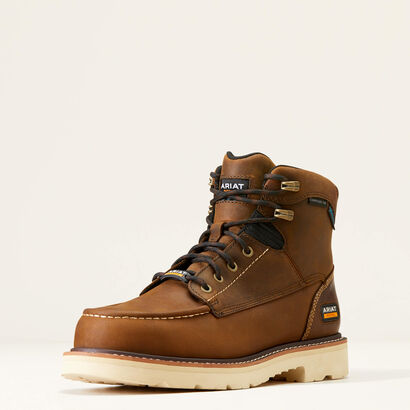


In 67+ Carts
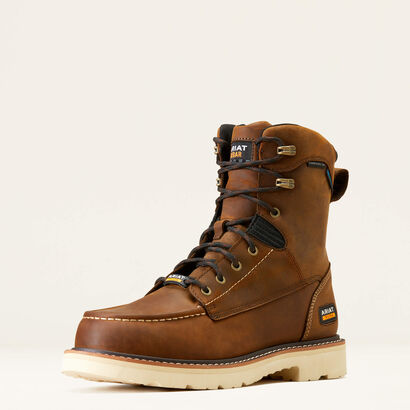


In 76+ Carts


In 46+ Carts
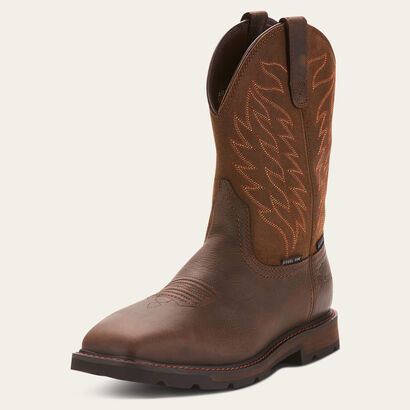

In 49+ Carts
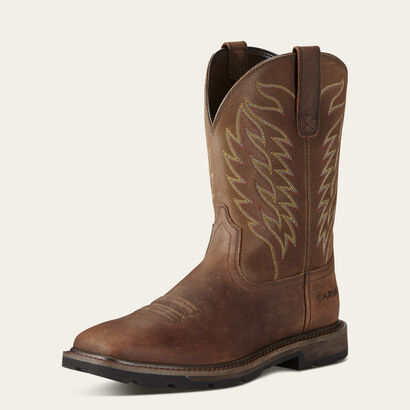

In 56+ Carts


In 68+ Carts


In 40+ Carts


In 45+ Carts


In 46+ Carts


In 45+ Carts


In 50+ Carts


In 52+ Carts


More About Slip-Resistant Work Boots
Slip-Resistant Work Boots
Slip-resistant work boots are work boots with outsoles designed to help provide traction on workplace surfaces where footing can be uncertain. Ariat’s collection includes options such as the Groundbreaker Work Boot; check each boot’s product details to confirm its outsole and other features meet your job’s needs.
How Do You Choose the Right Pair?
For slick indoor floors, start with a boot identified as slip-resistant, then check whether its outsole suits the surfaces and contaminants at your workplace. Grip needs can differ on wet, oily, dusty, or polished floors, and no outsole eliminates the risk of slipping. Check your employer’s footwear rules before choosing a pair.
Next, match the rest of the boot to the job. A Groundbreaker Wide Square Toe Steel Toe Work Boot is an option to examine if steel-toe protection is required; the Groundbreaker Chelsea Wide Square Toe Waterproof Steel Toe Work Boot adds waterproof construction for wet conditions. Compare the specifications of each style rather than assuming that a safety toe or waterproofing also establishes its slip-resistance performance.
Steel, composite, and carbon toes address a different need from outsole grip. Use Steel vs. Composite vs. Carbon Toe Work Boots to compare those choices, or browse 8-Inch Safety Toe Work Boots if your job calls for that shaft height. If a boot is not required, Women's Black Work Shoes offer a footwear alternative; check the individual shoe’s traction details and workplace suitability.
How Should Slip-Resistant Work Boots Fit?
A work boot should hold your heel and midfoot securely without squeezing your toes or pushing your foot forward as you walk. When fitting a steel-toe boot for the first time, try on both boots later in the day with your work socks and fit the larger foot. Aim for roughly ½" of room ahead of your longest toe, while checking that no toe touches or feels pressed by the safety cap when you stand, walk, or bend. A safety cap will not stretch to relieve toe pressure.
Check length and width together: the forefoot should feel comfortably contained rather than pinched, and the heel should not slide excessively. This page’s filters include combined sizes from M 3/W 4.5 through M 18/W 19.5, additional standalone sizes, and widths from B-Narrow through 4E; availability varies by boot. Compare your measurements with the size chart for the specific style, and see How Should Work Boots Fit? for more try-on guidance.
What Features Matter Beyond Outsole Grip?
A slip-resistant outsole is worth considering when work takes you across wet, oily, dusty, or polished floors. Check the individual product’s traction description and your employer’s requirements: an “oil-resistant” outsole is not necessarily slip-resistant, and slip resistance is not a promise against falls.
Waterproof construction is worth considering for rain, mud, or regularly wet work, while airflow may be more important in warmer, drier conditions. Compare Breathable Work Boots alongside traction features if heat is a concern. On styles that include them, ATS® technology is designed to provide stability, 4LR™ technology is designed for comfort and stability, and VentTEK™ cooling mesh allows airflow; check each product page for its actual features.
How Do You Care for Slip-Resistant Work Boots?
Clear dirt and debris from the outsole tread regularly, then check it for wear or damage that could affect traction. Clean the rest of the boot according to its materials and product care instructions, and allow wet boots to dry away from direct heat. For a new pair, How to Break In New Work Boots covers gradual wear, but break-in should not be used to remedy a toe cap that presses on your foot.
Ariat was founded to bring performance-minded design to footwear. That purpose carries into work boots that let shoppers weigh traction, fit, comfort, and job-specific features together rather than choosing by a single label.
Frequently Asked Questions About Slip Resistant Work Boots
What makes a work boot slip-resistant?
A slip-resistant work boot has an outsole designed to help provide traction on workplace surfaces. Outsole designs and working conditions vary, so check the individual boot’s product details and your employer’s footwear requirements; slip-resistant does not mean slip-proof.
Which boots should I consider for slick indoor floors?
Start with boots identified as slip-resistant, then compare their outsole details against the floors and contaminants at your workplace. A boot suited to one wet or oily surface is not automatically the best choice for every polished or dusty floor.
Should a steel toe touch my toes when I try on a work boot?
No. Your toes should not touch or feel pressed by the safety cap when you stand, walk, or bend. Try both boots with work socks, fit the larger foot, and check that the heel and midfoot stay secure without toe pressure.
Do slip-resistant work boots also need to be waterproof?
Only if your working conditions call for it. Waterproof construction can be useful in rain, mud, or regularly wet areas; for warmer, drier work, consider breathability too. Check each boot separately for waterproofing, outsole traction, and any required safety specifications.
How can I maintain outsole traction?
Remove packed dirt and debris from the tread regularly and inspect the outsole for wear or damage. Follow the boot’s material-specific care instructions and dry wet footwear away from direct heat. Replace boots when outsole wear compromises the grip you need.