

Women's Waterproof Work Boots
9 items
9 items
9 Results









More About Women's Waterproof Work Boots
Women's Waterproof Work Boots
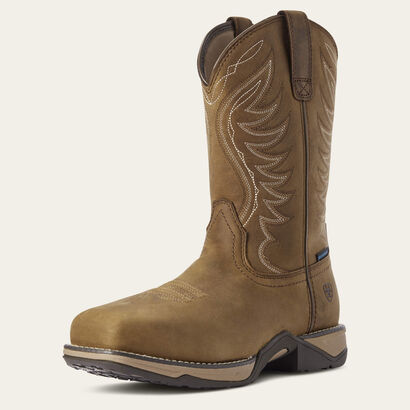
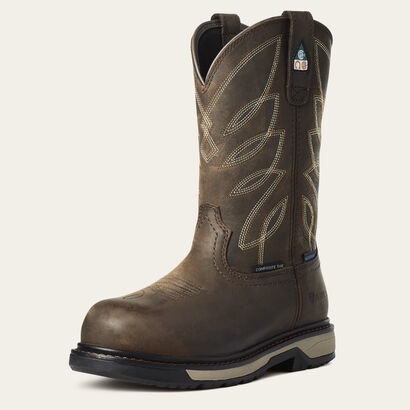
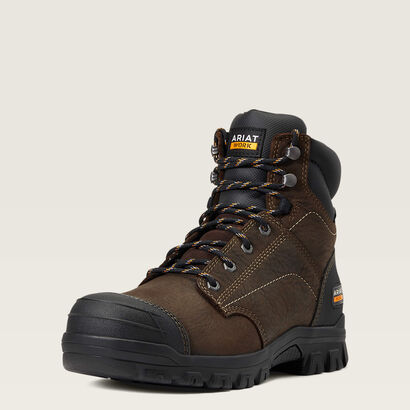
Ariat Women's waterproof work boots are job-ready boots with waterproof construction intended to help limit moisture entry during work in rain, mud, wet grass, puddles, or snow. Options such as the Anthem Waterproof Composite Toe Work Boot combine that moisture barrier with job-specific features such as composite-toe protection.
How Do You Choose Women’s Waterproof Work Boots?
Your first work boot should be waterproof if you regularly work outdoors or encounter rain, mud, wet ground, puddles, or snow; for mostly indoor, hot, or dry work, prioritize fit, comfort, traction, and required safety ratings, and consider whether a non-waterproof or Breathable Work Boots option better suits the conditions.
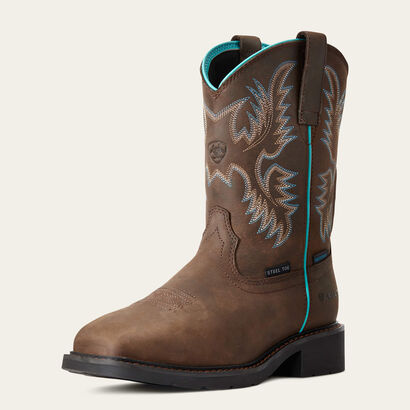
Start with jobsite requirements. If impact or compression hazards call for protective footwear, compare each style's listed safety rating and choose steel or composite toe protection accordingly; the Krista Waterproof Steel Toe Work Boot provides a steel-toe option, while composite toes are represented elsewhere in the collection. Waterproofing does not replace a required safety rating.
Next, consider traction, insulation, shaft height, and closure. Slip-resistant outsoles are designed to improve grip, insulated styles add warmth for cold conditions, and lace-up boots allow more fit adjustment than pull-on styles. Shoppers working in demanding building environments can also compare Construction Boots.
Women should generally start with women's work-boot sizing, then compare width, heel hold, and toe-box shape. If women's sizes do not match your foot shape or preferred style, How to Buy Men's Work Boots as a Woman explains how to compare sizing and fit rather than relying only on a size conversion.
How Should Women’s Waterproof Work Boots Fit?
Women's waterproof work boots should feel secure through the heel and midfoot, with enough room to wiggle the toes and approximately a thumb's width between the longest toe and the front of the boot. Your toes should not touch the front, sides, or top of a safety-toe cap; review How Should Work Boots Fit? for additional sizing checks.
Try boots on later in the day with the same socks you expect to wear at work. Mild leather stiffness can ease with wear, but pinching, numbness, cramped toes, or painful pressure indicate the wrong size, width, or shape and should not be treated as normal break-in.
This collection lists women’s sizes 5.5 through 12 and B-Medium and C-Wide widths, although availability varies by style. It also includes 5", 6", 8", 9", and 10" shaft heights. Check the size chart and individual product specifications before choosing.
Which Performance Features Matter in Waterproof Work Boots?
Waterproof construction creates a moisture barrier intended to help keep feet dry in wet working conditions. A slip-resistant outsole is designed to provide added traction, but no outsole is slip-proof, so always match footwear to the surface and jobsite requirements.
ATS® technology is designed to support stability and underfoot comfort during long periods on your feet. 4LR™ technology provides lightweight support and cushioning. Glacier Grip technology is intended to add traction in cold-weather conditions. Insulation helps retain warmth when work takes you into lower temperatures.
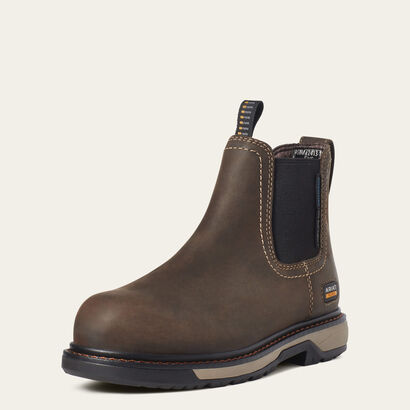
The BOA® Fit System uses a dial-based closure for quick, adjustable tightening; explore BOA Boots when secure, efficient adjustment is a priority. The Riveter Chelsea CSA Waterproof Composite Toe Work Boot offers a pull-on Chelsea profile with waterproof construction and composite-toe protection for shoppers comparing closure styles.
Shoppers can also compare specialized DualPro Boots with conventional waterproof work-boot designs. Because technologies and certifications vary by product, verify the individual listing for toe type, safety standards, outsole features, insulation, and waterproof construction.
How Do You Care for Women’s Waterproof Work Boots?
Remove mud and grit after each wear with a soft brush or damp cloth, then let the boots air-dry away from direct heat. Remove the insoles and loosen the laces when practical to improve airflow, and never use a heater or high heat to speed drying.
Use only cleaners and conditioners suitable for the boot's listed upper material and waterproof construction. Reapply an appropriate water-repellent treatment when water stops beading on the surface, without assuming that treatment repairs a damaged membrane. The Boots Built to Last guide provides additional longevity-focused upkeep considerations.
Inspect the upper, seams, welt, outsole, and toe area regularly for separation, deep cracks, or excessive wear. Follow the care directions for the specific style, and replace footwear when damage compromises its fit, traction, waterproof construction, or required jobsite protection.
Ariat was founded to bring athletic-footwear innovation to riding boots and applies that performance-focused approach to modern work footwear. Women’s waterproof work boots combine practical fit choices with moisture protection, traction, cushioning, and safety-toe options built for demanding working environments.
Frequently Asked Questions About Women's Waterproof Work Boots
Should my first work boot be waterproof?
Choose waterproof boots if rain, mud, wet grass, puddles, or snow are routine parts of your work. For indoor or hot, dry environments, fit, traction, breathability, comfort, and any employer-required safety rating may be higher priorities.
Are waterproof and water-resistant work boots the same?
No. Waterproof boots use construction intended to limit water entry more comprehensively, while water-resistant materials handle lighter, shorter exposure. Water can still enter waterproof footwear over the top, and performance may decline if materials, seams, or membranes become damaged.
How should women's waterproof work boots fit?
They should feel secure at the heel and midfoot without pinching, while leaving room to wiggle the toes. Allow approximately a thumb’s width ahead of the longest toe, and make sure no toe touches a protective cap.
Do I need steel or composite toes in waterproof work boots?
Choose the toe type required by your employer and hazards. Steel and composite toes can provide rated impact and compression protection when properly certified, but materials differ in weight and temperature feel. Always verify the individual boot’s listed safety standard.
How should I dry waterproof work boots after a wet shift?
Brush away mud, wipe the surface, remove insoles when practical, loosen the laces, and air-dry the boots at room temperature. Avoid heaters and other direct heat, which may damage leather, adhesives, or waterproof components.