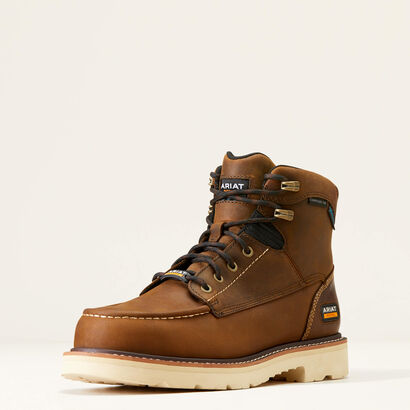
Static-Dissipative Safety Shoes for Designated Work Areas

Find static-dissipative safety shoes for designated work areas where controlling static buildup is part of the job. Explore work footwear designed to help dissipate static electricity, and compare each style’s listed safety ratings and protective features with your employer’s requirements before choosing your pair.

Read More
0 ITEMS

0 Results

Static-Dissipative Safety Shoes for Designated Work Areas

Static-dissipative safety shoes for designated work areas are built for jobs where controlling static buildup is part of getting the work done right. In electronics assembly, certain manufacturing operations, and other static-controlled settings, footwear can play an important role in a broader workplace protection system. Static-dissipative footwear is designed to help accumulated static electricity move from the wearer through a compatible floor at a controlled rate, helping limit buildup that could affect sensitive components or processes. That function depends on the footwear working with the environment, not simply on wearing a particular style of shoe. The right choice starts with the requirements of the designated work area, including the applicable static-dissipative classification, flooring system, and any separate protective-toe requirements. For hardworking crews, performance means matching the job’s technical demands with the fit, support, and everyday practicality needed to stay focused through a full shift.

Choosing among static-dissipative safety shoes means looking beyond appearance to the protection and construction specified for the task. Static-dissipative performance, toe protection, and traction address different needs, so each deserves attention when comparing footwear labels and manufacturer specifications. A static-dissipative designation alone does not establish impact protection, compression protection, or suitability for every workplace hazard. Likewise, static-dissipative footwear is not a substitute for electrical hazard protection; the two serve different purposes. Where protective toes are required, the relevant safety rating matters more than assumptions about toe material or shoe shape. Underfoot performance also needs to match the setting, whether the job involves steady walking between production stations, extended standing at a bench, or frequent changes in direction. Compare any stated traction properties with the actual floor conditions, and consider flexibility, shoe weight, and support alongside the required safety classifications. The goal is dependable footwear selected for the work—not extra features that leave the essential requirements unanswered.

All-day wearability comes down to a secure fit that gives toes room without allowing excessive movement at the heel or through the midfoot. The socks normally worn on the job belong in the fit assessment, along with any employer-approved footbeds or other required equipment. Cushioning and support can influence comfort during long hours on hard surfaces, while closure design and ease of adjustment can affect how securely a shoe stays in place throughout the day. Maintaining static-dissipative performance also takes attention to the complete footwear-and-flooring system: wear, contamination, moisture, and changes to insoles or other components can affect electrical resistance. Manufacturer care instructions and workplace testing procedures help determine how footwear should be cleaned, checked, and kept in service. For workers outfitting themselves or teams selecting job-ready gear, the strongest choice balances documented compliance, practical comfort, and construction suited to daily demands. That is the foundation of work footwear chosen to perform where it matters.

Read More

FAQ