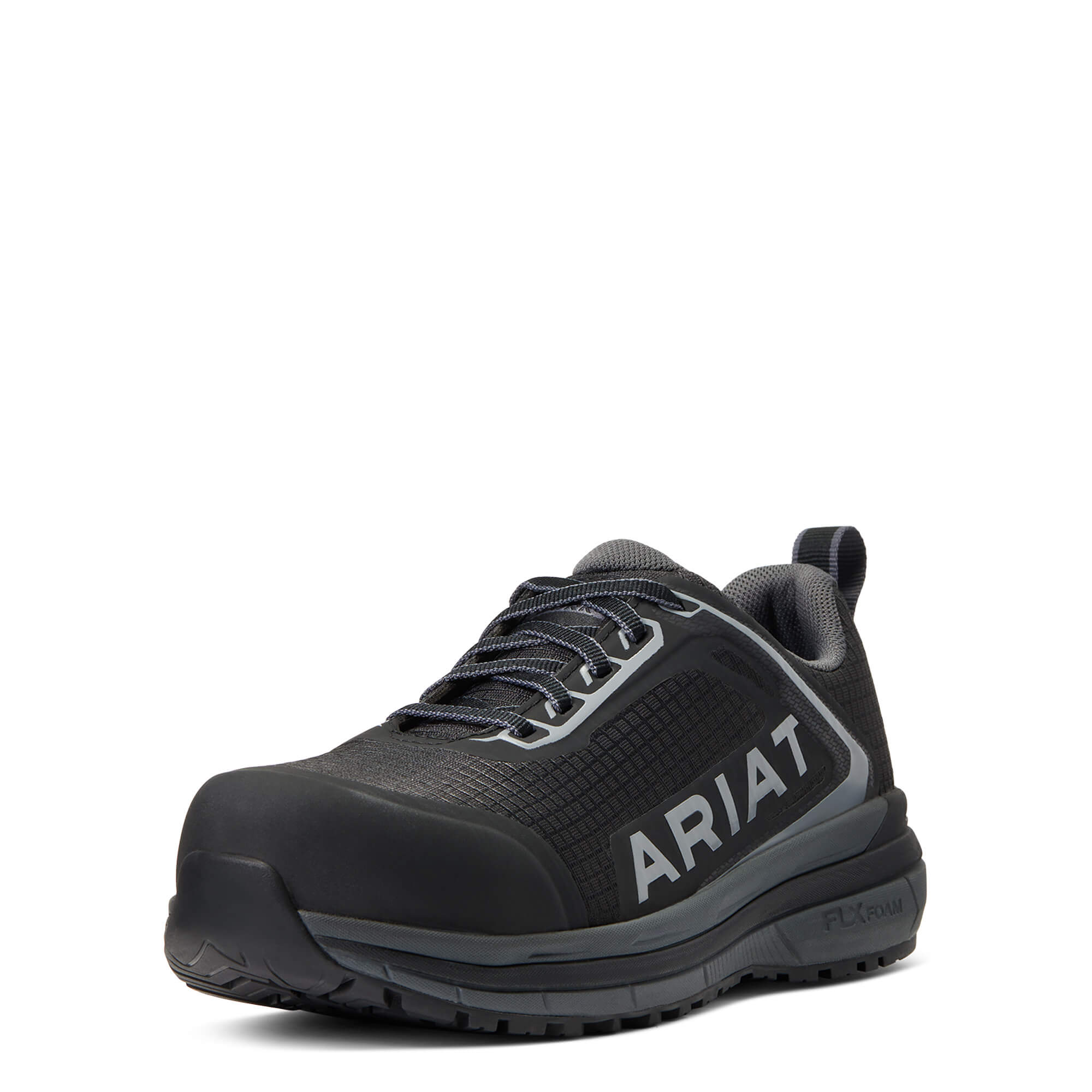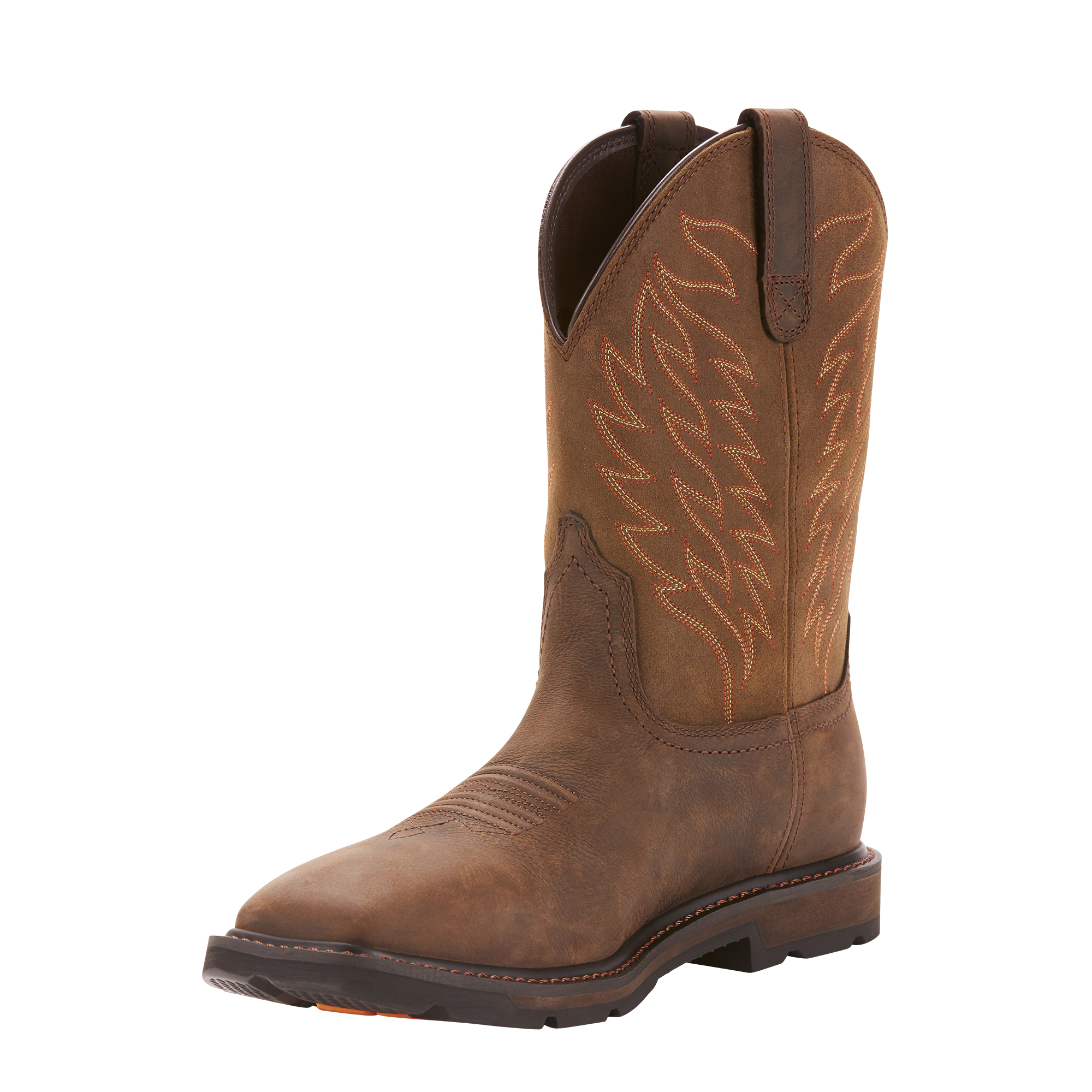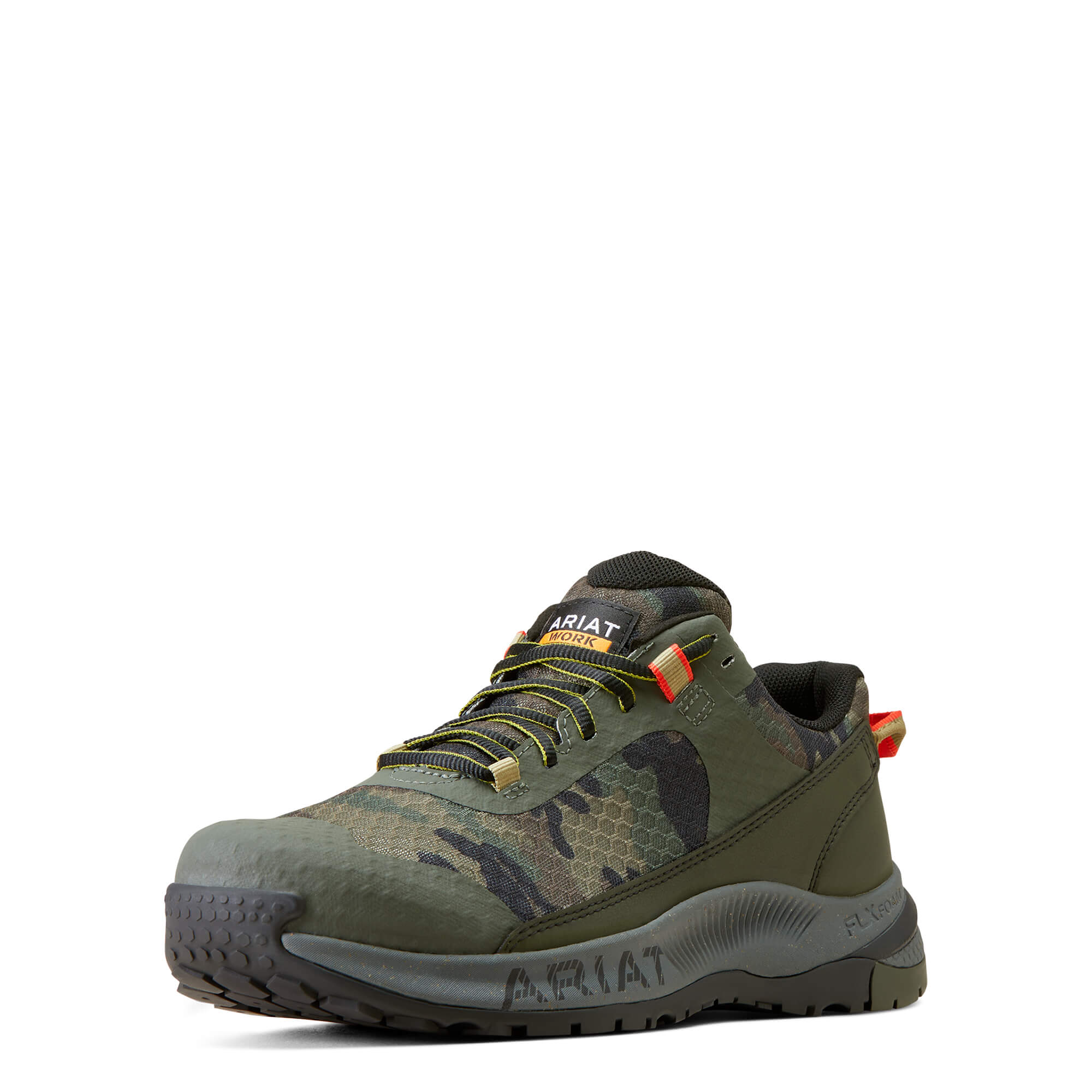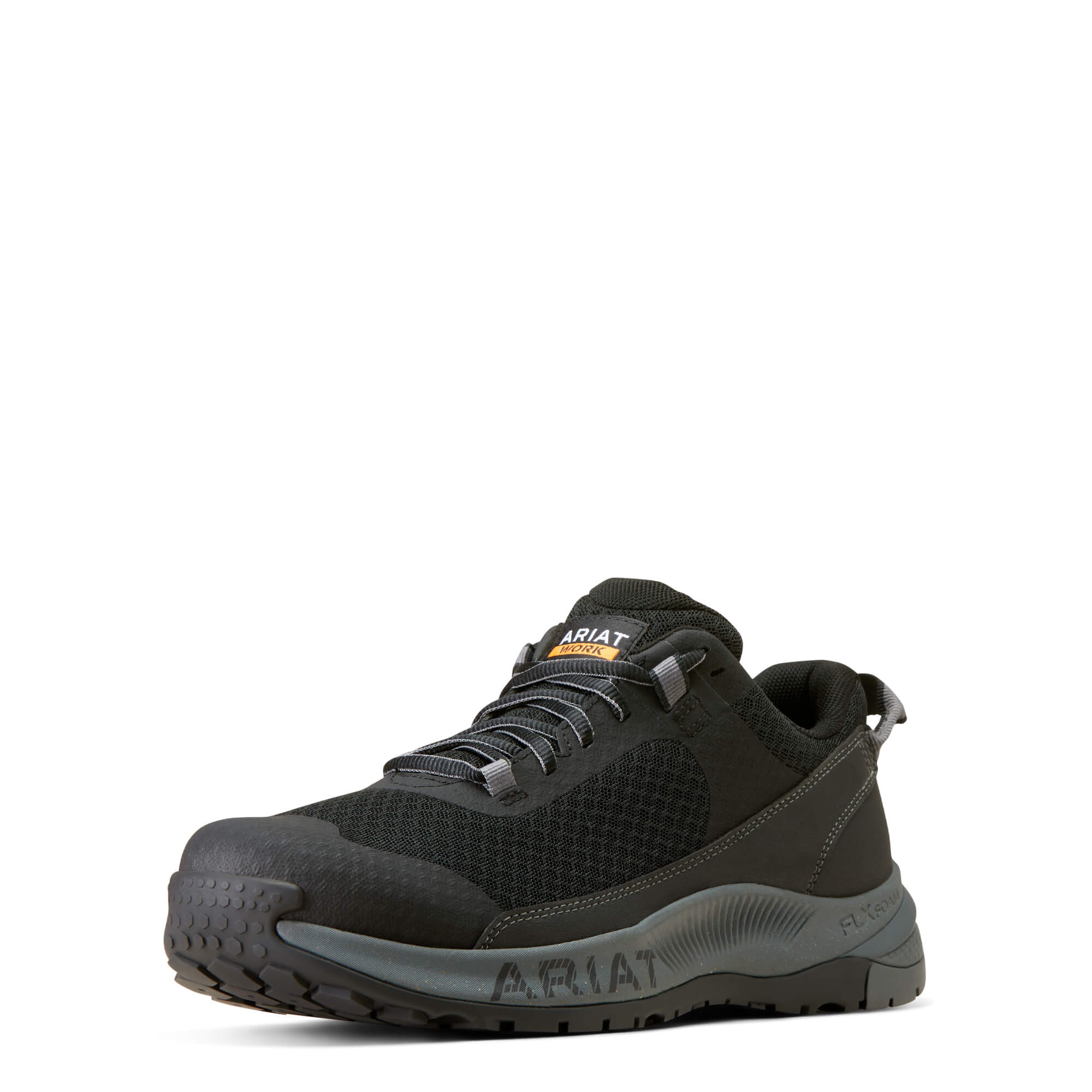
Cushioned Safety-Toe Shoes for Hard-Floor Shifts

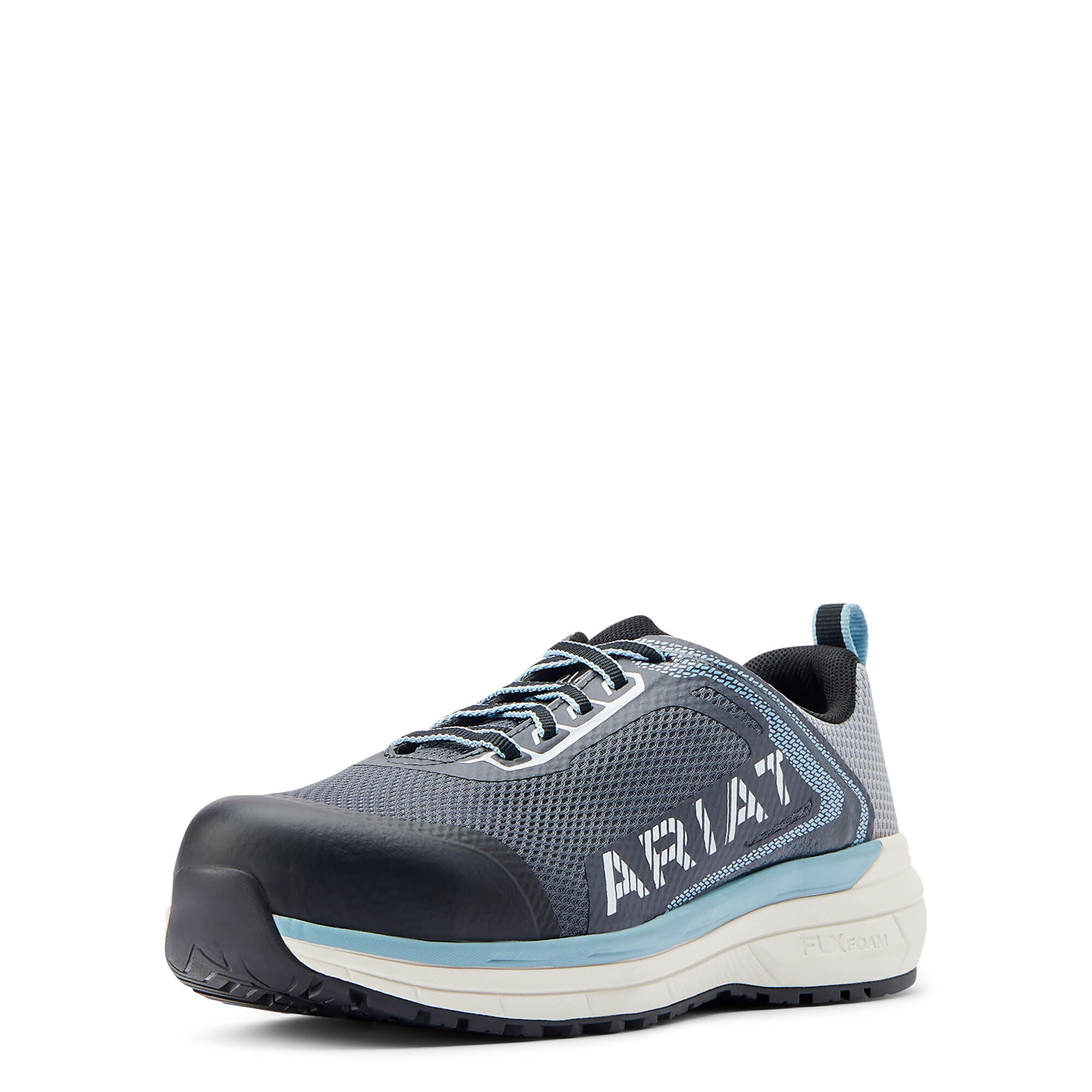
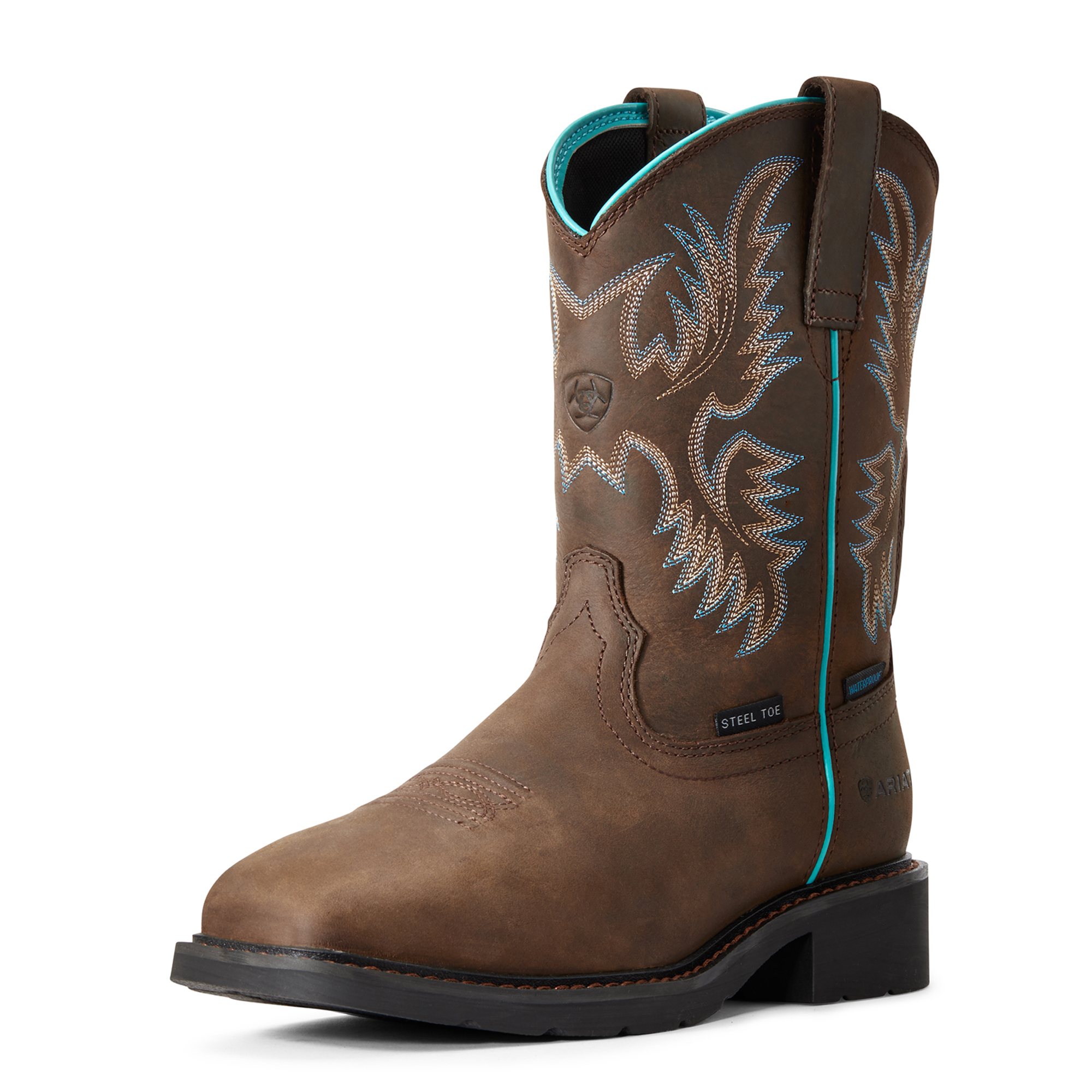
Find cushioned safety-toe shoes for hard-floor shifts, with a focus on underfoot comfort and toe protection. For workdays spent standing or walking on concrete, compare fit and cushioning, and check each pair’s listed safety standards against your workplace requirements.

Read More
0 ITEMS

0 Results

Cushioned Safety-Toe Shoes for Hard-Floor Shifts

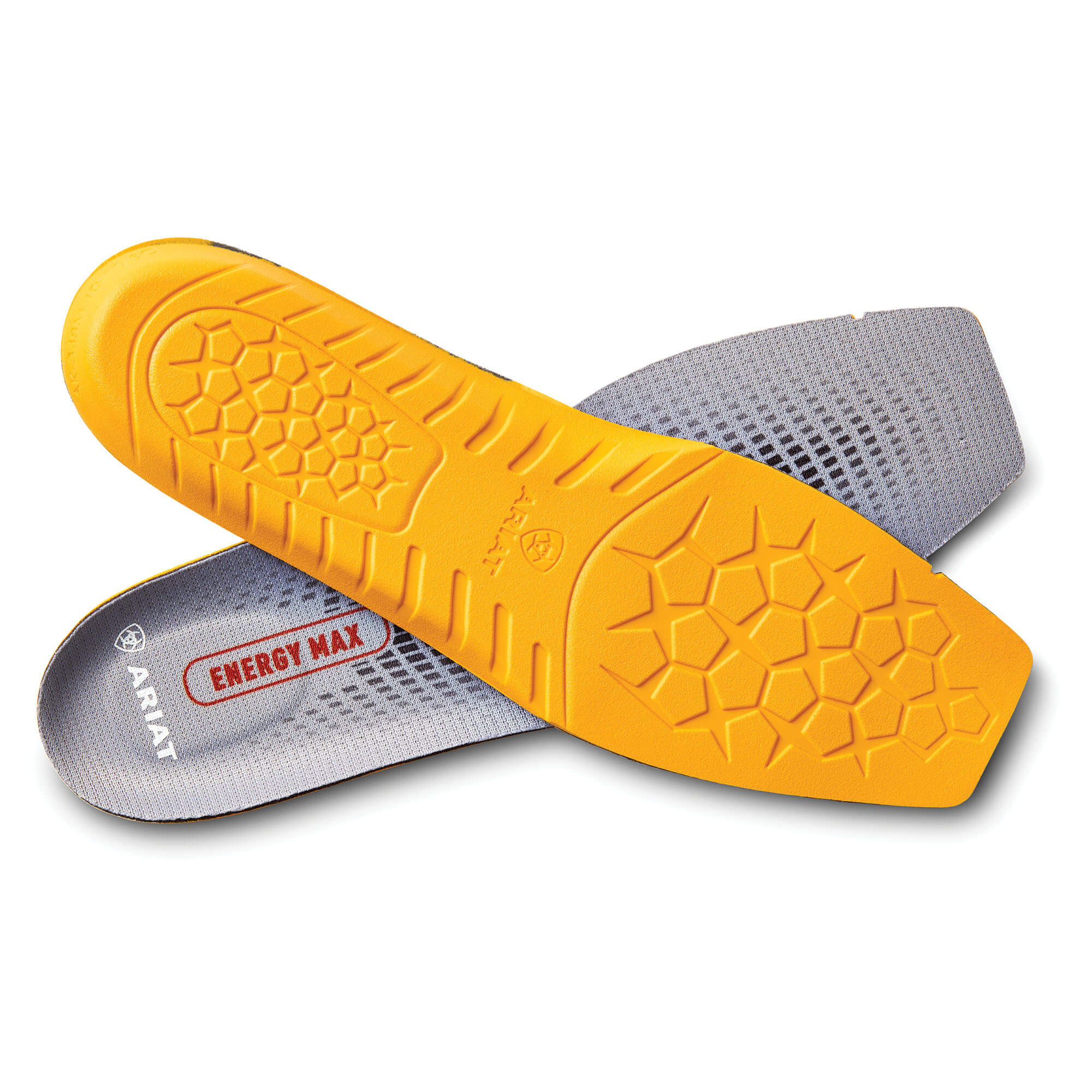
Cushioned safety-toe shoes for hard-floor shifts bring together two priorities that matter on the job: protective footwear suited to the work and underfoot comfort that holds up through hours of standing and walking. Concrete aisles, production floors, and busy stockrooms put steady demands on your feet, especially when the day includes repeated trips between workstations or long stretches in one place. For warehouse teams, manufacturing crews, and other workers whose roles require toe protection, cushioning is an important part of choosing everyday work footwear. A softer step is only part of the equation, though. Cushioning works best alongside a stable platform, a secure fit, and enough support for the way you move. When shopping Ariat work footwear, keep the demands of your shift front and center: time on your feet, the weight you carry, the surfaces you cross, and the protective features your workplace requires.

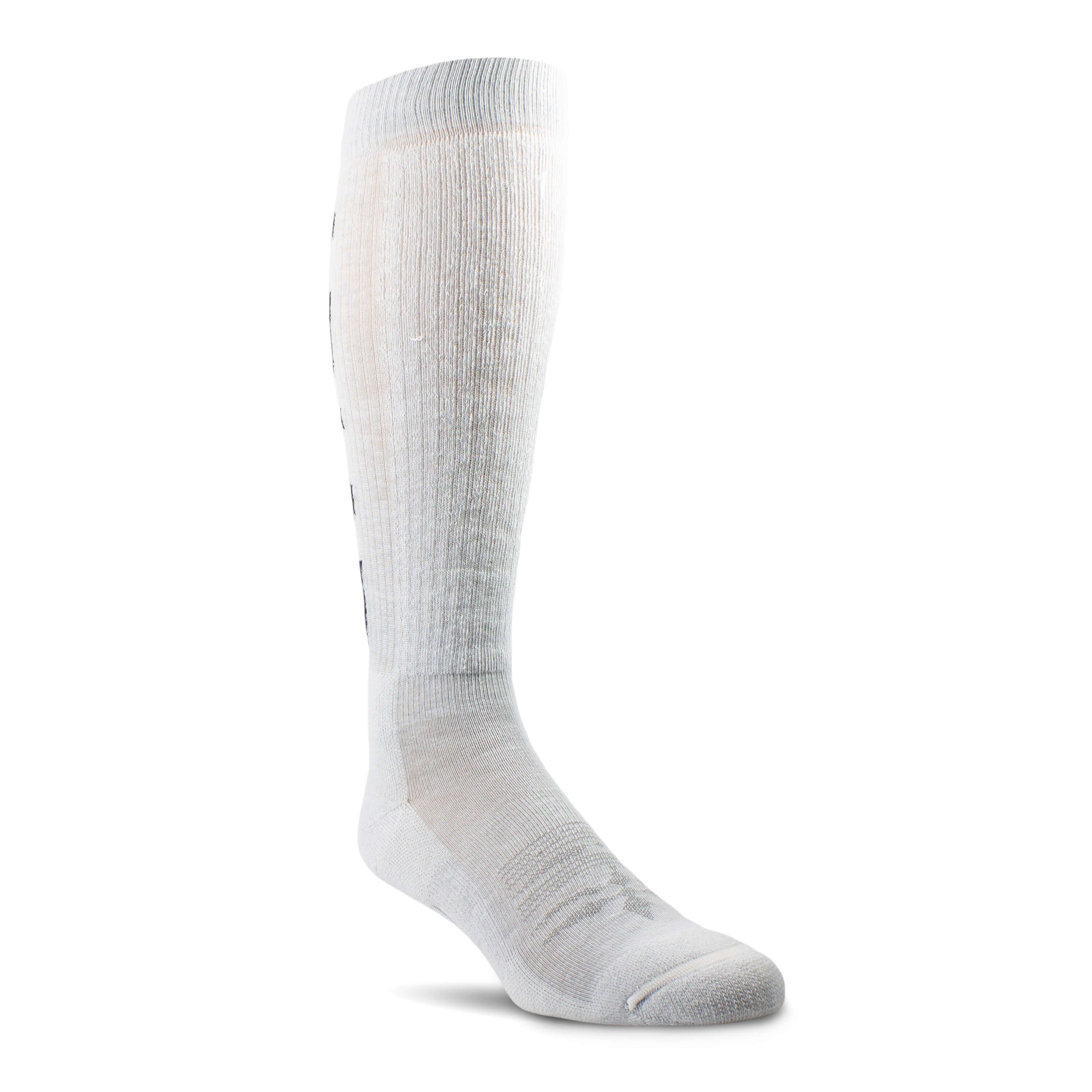
Comfortable safety-toe work shoes need room where it counts without feeling loose through the rest of the foot. The protective toe creates a defined space up front, making toe clearance especially important when comparing fits. Your toes should have room to move without pressing against the protective cap, while the heel and midfoot should feel secure during walking, turning, and changes in pace. Work socks also affect that balance, so consider the thickness you normally wear throughout a shift rather than choosing a fit around an unusually thin pair. Underfoot, the feel of cushioning can range from softer compression to a firmer, more supported ride; the best match depends on your preferences and daily tasks. Standing at a workstation places different demands on footwear than covering long warehouse aisles. Consider cushioning, arch support, flexibility, and overall shoe weight together rather than treating softness alone as the measure of all-day comfort.

Hard-floor work also calls for attention to what happens beneath and around the shoe. Smooth indoor floors, dusty walkways, and areas exposed to moisture or oil can present different traction demands, so outsole performance belongs alongside cushioning on your shopping checklist. Required safety standards, toe-protection ratings, and any job-specific features, such as electrical hazard protection, should match your employer’s footwear requirements and the shoe’s documented specifications. A safety toe does not automatically mean a shoe provides every other type of workplace protection. Beyond those essentials, consider how the footwear fits into your routine: easy adjustment for a consistent fit, an upper suited to the working environment, and a profile that allows comfortable movement around equipment and workstations. The strongest choice balances protection with practical comfort, giving hardworking feet the right foundation for the shift ahead without losing sight of the job at hand.

Read More

FAQ