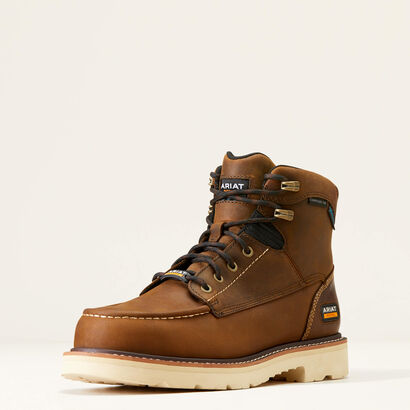
Safety-Toe Work Shoes for Long Indoor Shifts

Shop safety-toe work shoes for long indoor shifts with a focus on required protection and comfort for hours on your feet. Compare work shoe styles by fit and listed comfort features, then check safety ratings and traction details against your employer’s requirements and the floors you work on.

Read More
0 ITEMS

0 Results

Safety-Toe Work Shoes for Long Indoor Shifts

Safety-toe work shoes for long indoor shifts bring jobsite protection into the daily rhythm of warehouses, manufacturing floors, distribution centers, and other demanding indoor workplaces. When the day means hours on concrete, repeated trips between workstations, or steady movement along a production line, toe protection is only part of what matters. Cushioning underfoot, a stable platform, and a secure fit all deserve a place in the decision. Lower-cut work shoes can suit roles where freedom of movement and a less bulky feel are priorities, provided they meet the job’s footwear requirements. For workers moving between standing tasks and active routes, the right balance of support and flexibility matters more than softness alone. A work-ready pair should fit the demands of the floor, the pace of the shift, and the protective features required for the job—without letting everyday comfort become an afterthought.

Different indoor environments call for different footwear priorities. On hard, dry floors, cushioning and outsole durability are important considerations; where moisture or other contaminants may be present, the shoe’s slip-resistance rating and suitability for that surface deserve close attention. Tread design also matters when work involves frequent turns, stops, or changes in direction. Safety-toe construction is another point of comparison, with steel and nonmetallic options offering different combinations of weight, shape, and protective specifications. The complete shoe—not simply the toe material—determines how it feels through a long shift. Required impact and compression protection, electrical hazard protection, or static-dissipative properties should match the workplace’s stated requirements rather than being treated as interchangeable features. For warm indoor spaces, breathable construction may be a priority, while jobs with routine exposure to liquids may call for different upper materials. These details help distinguish footwear suited to a particular work environment from a pair chosen on appearance alone.

Fit brings those performance considerations together. A safety toe needs enough room for the toes without allowing the foot to slide forward, and a secure heel and midfoot help keep movement controlled during walking, lifting, and repeated transitions between tasks. The protective toe cap will not stretch to resolve a cramped fit, making width and toe-box shape especially important. Work socks, prescribed orthotics, and any permitted replacement insoles can also affect the space inside the shoe, so they belong in the fit decision from the start. Closure design matters for shoppers who want an adjustable hold, while upper construction and ease of cleaning can influence everyday practicality. For warehouse associates, production teams, maintenance workers, and others spending their shifts indoors, the strongest choice is footwear that brings the required protection together with dependable support and a fit suited to the way they work. Choose for the demands of the full shift, not just the first few steps.

Read More

FAQ