

Women's Steel Toe Work Boots
4 items
4 items
4 Results

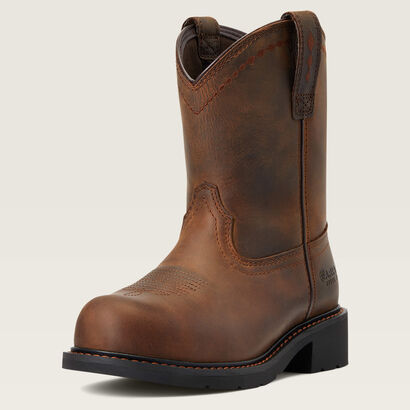

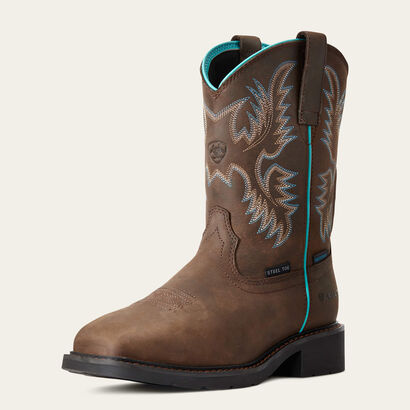

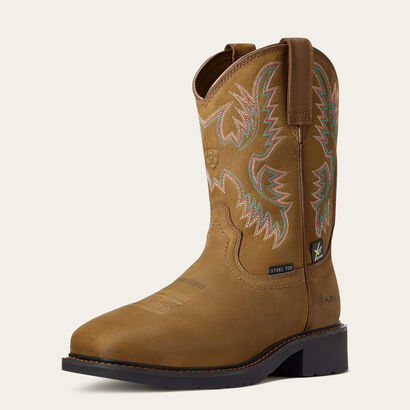
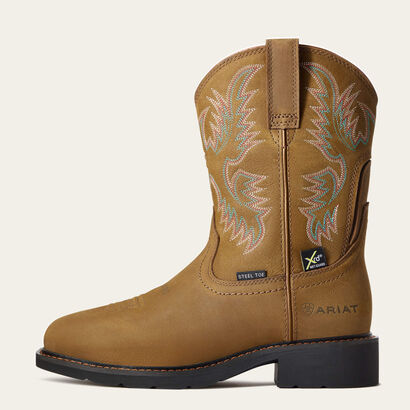

More About Women's Steel Toe Work Boots
Women's Steel Toe Work Boots
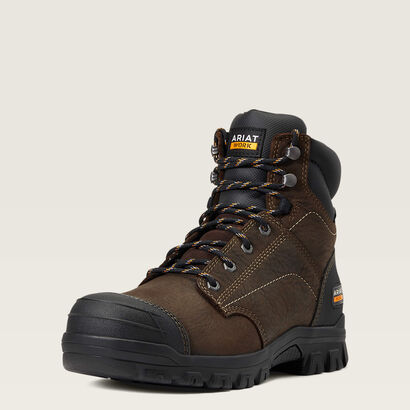
Ariat Women's steel toe work boots are work footwear built with a protective steel cap designed to help guard the toes against impact and compression hazards. They combine that safety-minded construction with women's sizing, and shoppers who want more shaft coverage can also compare 8-Inch Safety Toe Work Boots.
How Do You Choose Women’s Steel Toe Work Boots?
Start with your employer’s or jobsite’s required footwear standard, then choose the fit, shaft height, closure, traction, weather protection, and underfoot support suited to your work. Check each product’s specifications for its ASTM rating and any required impact, compression, electrical-hazard, metatarsal, or slip-resistance designation; do not assume every safety-toe boot carries identical certifications.
Steel toes are a traditional choice for demanding jobs, while nonmetallic Composite Toe Boots can reduce weight and do not conduct temperature like metal. Women considering a different size or last can use How to Buy Men's Work Boots as a Woman to compare fit before switching categories.
Choose lace-up boots when adjustable hold is a priority or consider the Fatbaby Work Pull-On Steel Toe Work Boot for pull-on convenience. For lower-profile alternatives, compare Black Steel Toe Shoes or Black Work Shoes for Women, but confirm that the selected footwear meets your workplace's coverage and safety requirements.
How Should Women’s Steel Toe Work Boots Fit?
Women’s steel toe work boots should feel secure at the heel and midfoot while leaving enough room for the toes to move without touching the steel cap at the front, sides, or top. Try them on late in the day with your normal work socks, then walk, bend, climb stairs, and use an incline if available; pressure, numbness, pinching, or contact with the cap indicates the wrong size, width, or toe-box shape.
A small amount of heel movement can occur in some pull-on boots, but excessive lifting or sliding signals an unstable fit. Do not rely on break-in to create space inside the steel cap because the cap itself will not stretch.
This collection offers women's sizes 5.5–12 and B-Medium and C-Wide options, subject to availability by style. Use the size chart for the individual product and consult How Should Work Boots Fit? for additional guidance on evaluating length, width, toe-box room, and heel hold.
What Features Matter in Women’s Steel Toe Boots?
A steel safety toe is designed to provide impact and compression protection when the individual boot is certified for the applicable workplace standard. Always verify the rating printed on the product page or boot label against your employer’s requirements.
Waterproof construction helps limit water entry in rain, mud, and other wet conditions, making the Krista Waterproof Steel Toe Work Boot relevant for jobs where moisture exposure is routine. If most work takes place indoors or in hot, dry conditions, a non-waterproof style may offer a more breathable alternative.
Slip-resistant outsoles are designed to improve traction on specified surfaces, but no outsole is slip-proof and performance varies with the surface and contaminants. 4LR™ technology is designed to provide comfort and stability for long hours on your feet. For work that calls for coverage above the toes, the Krista MetGuard Steel Toe Work Boot adds metatarsal-focused construction; verify that its listed rating meets the jobsite requirement.
How Do You Care for Women’s Steel Toe Work Boots?
Remove loose dirt after use, clean the upper with products appropriate for its material, and let the boots air-dry away from direct heat. For leather, use a soft brush or damp cloth, apply a compatible leather conditioner as needed, and check that any treatment is suitable for waterproof construction before applying it.
Regularly inspect the upper, seams, sole attachment, tread, lining, and safety-toe area. Stop wearing the boots and follow your employer's or manufacturer's replacement guidance if the protective cap becomes exposed, the sole separates, the tread is badly worn, or the boots sustain a significant impact. The Boots Built to Last guide offers more context for protecting work boots and extending their useful service life.
Ariat was founded to bring athletic-footwear innovation to equestrian boots and applies that performance-focused approach to work footwear. Ariat women’s steel toe work boots pair safety-minded construction with women’s sizing, practical jobsite features, and support designed for long days in demanding environments.
Frequently Asked Questions About Women's Steel Toe Work Boots
What are women's steel toe work boots?
Women’s steel toe work boots contain a protective steel cap over the toe area and are designed for workplaces with impact or compression hazards. Women’s styles provide category-specific sizing and may add waterproofing, traction, electrical-hazard protection, or metatarsal coverage.
Are steel toe or composite toe boots better for women?
Neither material is universally better. Steel is traditional and durable, while composite toes are nonmetallic, generally lighter, and conduct less temperature. Choose according to employer requirements, work conditions, fit, and the certified rating of the individual boot.
How should women's steel toe boots fit?
They should hold the heel and midfoot securely without pinching, while the toes move freely without touching the steel cap. Try boots on with work socks late in the day and do not expect the safety cap to stretch.
Should women's steel toe work boots be waterproof?
Choose waterproof construction if work regularly involves rain, mud, wet grass, puddles, or snow. For primarily indoor, hot, or dry conditions, a non-waterproof boot may breathe better; required protection and correct fit should remain the first priorities.
When should steel toe work boots be replaced?
Replace them according to workplace or manufacturer guidance when the safety cap is exposed, the outsole separates, tread is severely worn, or a significant impact may have compromised the boot. Routine cleaning and inspection make developing damage easier to identify.