

Women's Safety Toe Work Boots
19 items
19 items
19 Results

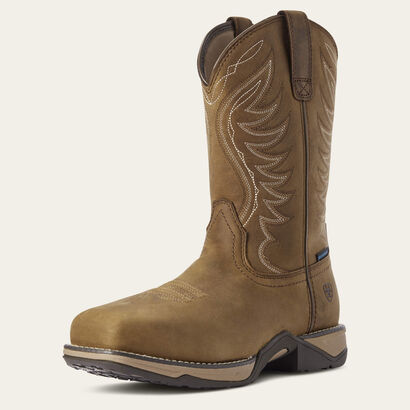

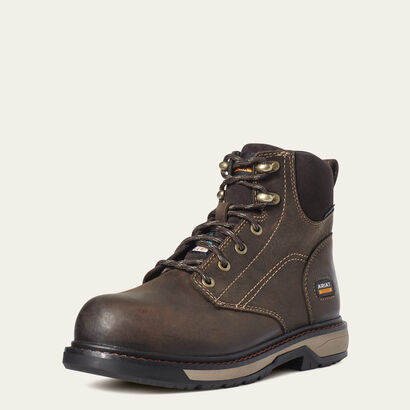


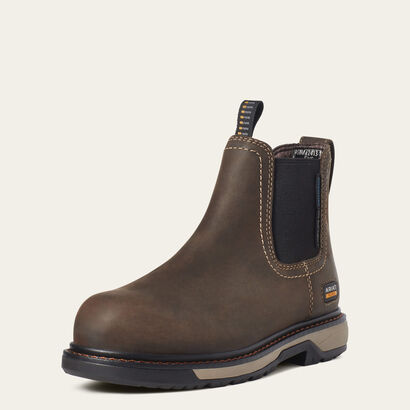


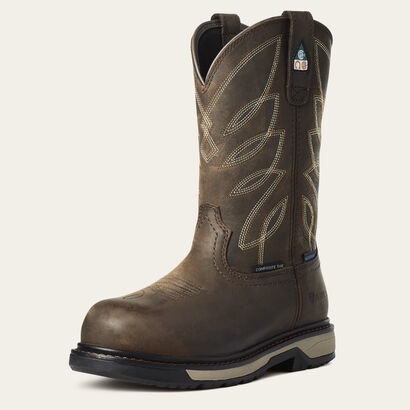

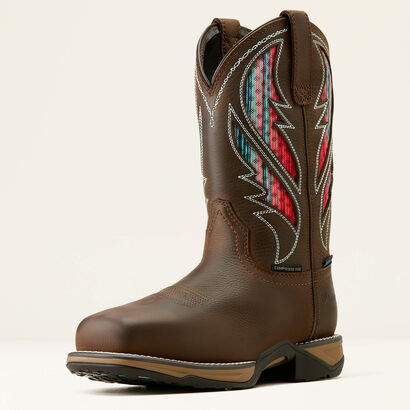


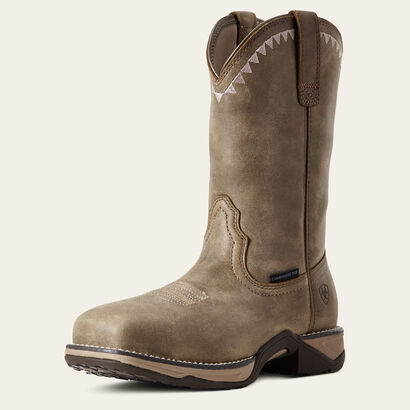

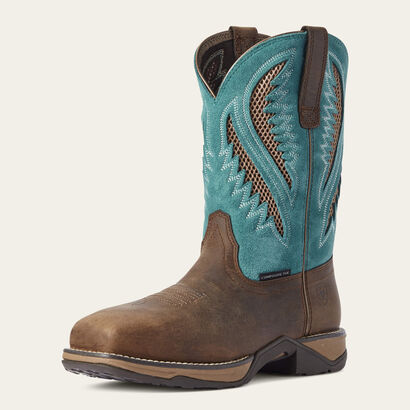


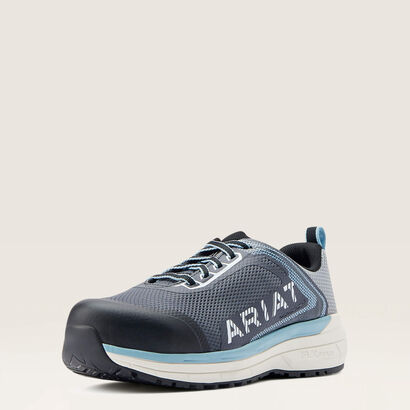

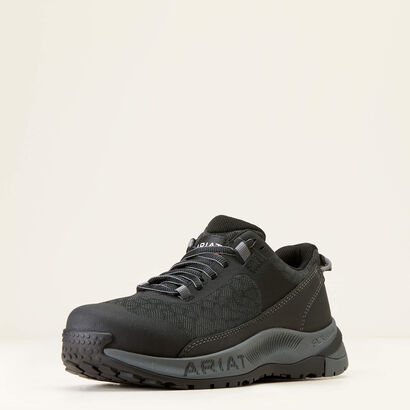


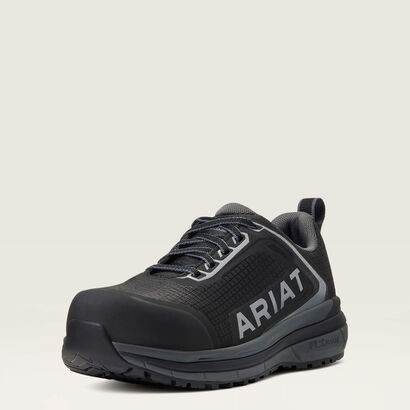

More About Women's Safety Toe Work Boots
Women's Safety Toe Work Boots
Ariat Women's safety toe work boots are job-ready footwear with protective toe caps designed to provide added protection against workplace impact and compression hazards. They are used in settings such as construction, manufacturing, warehouses, farms, and ranches, and shoppers can compare related jobsite features in Construction Boots.
How Do You Choose Women's Safety Toe Work Boots?
Choose women’s safety toe work boots by matching the boot’s documented safety specifications, fit, construction, and performance features to your employer’s requirements and actual working conditions. Confirm the certification shown for the individual style; steel, composite, metatarsal, electrical-hazard, and static-dissipative features are not interchangeable.
Steel toes offer traditional safety-toe construction, while composite toes use nonmetallic cap materials and may feel lighter or transmit less cold. The Krista Waterproof Steel Toe Work Boot combines a steel toe with waterproof construction, while the Rebar Lift Waterproof Composite Toe Work Boot offers a waterproof composite-toe alternative.
Consider metatarsal coverage where hazards extend beyond the toes, insulation for cold environments, breathable construction for heat, and waterproof construction for regular exposure to rain, mud, or wet ground. Waterproofing is useful in consistently wet conditions, but required safety specifications, proper fit, support, and traction should come first.
Closure and shape matter, too. Lace-up boots allow targeted adjustment, while the Riveter Chelsea CSA Waterproof Composite Toe Work Boot provides a pull-on Chelsea option. Women comparing additional sizing or construction choices can consult How to Buy Men's Work Boots as a Woman.
How Should Women's Safety Toe Work Boots Fit?
A safety toe boot should hold the heel and midfoot securely while leaving enough room that the toes do not touch the protective cap at the front, sides, or top. A safety rating cannot compensate for poor fit, so reject a pair that pinches, rubs, causes numbness, or lets the foot slide forward into the cap.
Try boots late in the day, when feet may be more swollen, and wear the same work socks you will use on the job. Check that the widest part of the foot aligns with the widest part of the boot, the boot flexes near the ball of the foot, and the heel does not lift excessively while walking, turning, crouching, or using stairs.
This collection includes women's sizes 5.5–12 and B-Medium and C-Wide options, although availability varies by style. Measure both feet while standing, use the larger foot when selecting a size, and compare foot length and width with the applicable size chart; How Should Work Boots Fit? provides additional guidance on toe room, width, heel movement, and support.
Which Performance Features Should You Look For?
Start with the safety specification required for the job, then compare comfort, traction, weather protection, closure, and working environment. Always verify the features and certifications listed for the individual boot rather than assuming every style in the category has the same protection.
ATS® technology is designed to help support alignment and stability during long periods on your feet. 4LR™ technology is designed to provide comfort and stability for demanding workdays. VentTEK™ cooling mesh promotes airflow, and shoppers working in warm conditions can compare Breathable Work Boots and the broader Breathable Boots collection.
Waterproof construction helps keep feet dry in wet working conditions, while insulation is intended to add warmth in colder environments. Slip-resistant outsoles are designed to provide added traction, but they are not slip-proof and should still be matched to the surfaces and contaminants at the jobsite.
Electrical-hazard footwear and static-dissipative footwear address different workplace needs, so select only the specification required by your employer. Boots identified as 100% nonmetallic may be useful where metal-free construction is required, but the specification should be confirmed on the product page.
The BOA® Fit System uses a dial-based closure for quick, incremental adjustment; explore BOA Boots when secure, adjustable closure is a priority. Shaft heights from 3.5" to 10" and lace-up or pull-on constructions provide additional choices for ankle coverage and ease of entry.
How Do You Care for Women's Safety Toe Work Boots?
Remove loose dirt after wear and let safety toe work boots dry naturally at room temperature before the next shift. Do not place wet leather boots against direct heat, which can dry or damage the material.
Use a soft brush or damp cloth for routine cleaning, then apply only cleaners, conditioners, or water-repellent treatments suitable for the boot's specific materials. Remove insoles when appropriate to help the interior air out, and consult How to Break In New Work Boots for a gradual break-in process rather than trying to soften new boots with excessive heat or water.
Inspect the toe area, outsole, seams, waterproof components, and closure system regularly. If the safety cap becomes exposed, the outsole separates, or structural damage affects the boot’s fit or protection, stop relying on the footwear until it has been assessed or replaced according to workplace policy. Always follow the care instructions for the specific style.
Ariat was founded to bring athletic-footwear thinking to equestrian boots, combining traditional bootmaking with performance-focused innovation. That same practical approach informs Ariat women’s safety toe work boots, with options built for demanding environments, long shifts, changing weather, and job-specific protection requirements.
Frequently Asked Questions About Women's Safety Toe Work Boots
What are women's safety toe work boots?
Women’s safety toe work boots contain protective caps designed to provide added impact and compression protection in hazardous workplaces. Available features can include steel or composite toes, metatarsal guards, waterproof construction, insulation, and job-specific electrical or static-dissipative specifications.
Are steel toe or composite toe boots better for women?
Neither material is universally better. Steel offers traditional protective construction, while composite caps are nonmetallic and may feel lighter or less cold. Choose according to the required workplace standard, fit, working temperature, security requirements, and personal comfort.
Should women's safety toe work boots be waterproof?
Waterproof boots are useful for frequent work in rain, mud, puddles, wet grass, or snow. For mostly indoor or hot, dry conditions, prioritize the required safety rating, proper fit, breathability, support, and appropriate outsole before adding waterproof construction.
How should a new safety toe boot fit?
The heel and midfoot should feel secure, while the toes must not touch the safety cap at the front, sides, or top. Try boots late in the day with work socks and walk, crouch, and climb stairs before deciding.
How often should safety toe work boots be cleaned and inspected?
Brush off dirt after wear, dry wet boots naturally, and inspect the toe area, outsole, seams, and closures regularly. Cleaning frequency depends on exposure, but structural damage, an exposed cap, or sole separation should be addressed promptly.