
Women's Winter Boots
54 items
54 items






In 48+ Carts
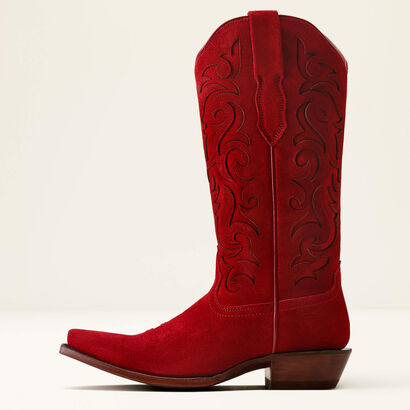


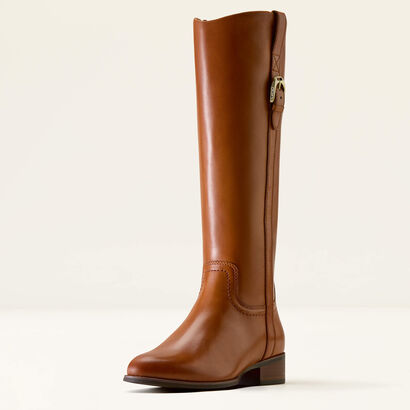
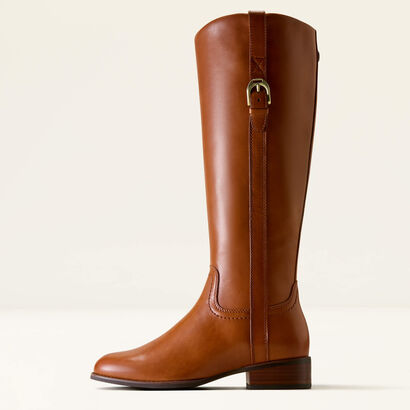
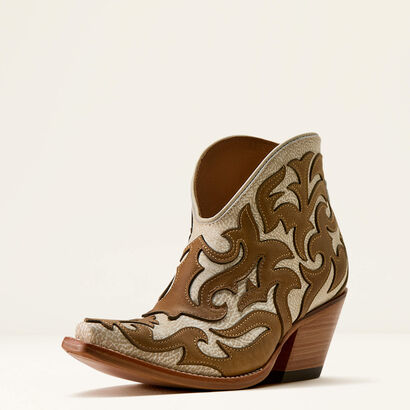
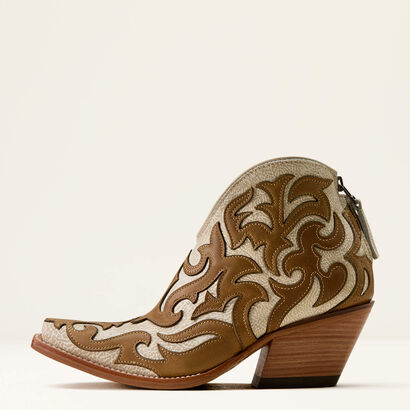
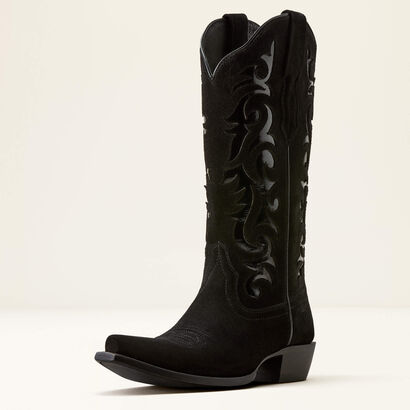
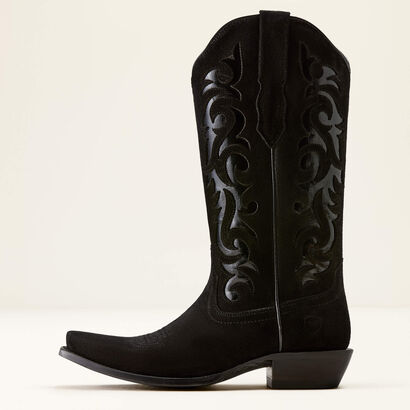


More About Women's Winter Boots
Women's Winter Boots
Women’s winter boots are footwear for colder conditions, with styles that offer features such as waterproof construction or insulation for wet weather and added warmth. For cold-weather riding, explore Equestrian Winter Clothing and Footwear alongside the boots on this page.
How Do You Choose Winter Boots?
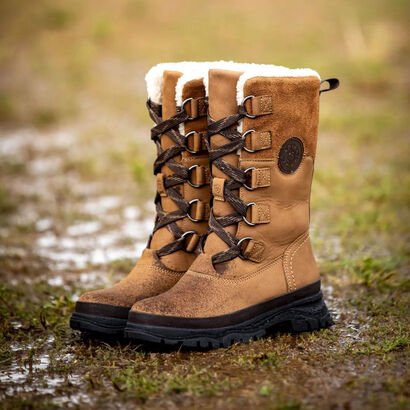
Choose women’s winter boots for the conditions and activity you expect most: prioritize waterproof construction for wet ground, insulation for colder days, and a shaft height suited to where you’ll wear them. The Coniston Max Waterproof Insulated Boot is an option when you want both waterproof construction and insulation; the Wythburn II Sherpa Waterproof Boot offers a sherpa-lined waterproof style to compare.
For riding, start with Women's Equestrian Riding Boots, or narrow the search to Trail Riding Boots for trail outings. For outdoor chores, compare Women's Farm and Ranch Boots; if you prefer a shorter boot around the barn, browse Women's Paddock Boots. Check each style’s features before assuming it is insulated or waterproof.
How Should Winter Boots Fit?
Women’s winter boots should hold the heel securely while leaving room for your toes to move in the socks you plan to wear; they should not pinch across the foot or calf. Try a style such as the Langdale Waterproof Boot with your intended winter socks, then use its size chart and measurements to check the fit.
This category lists sizes 5.5–11 and B-Medium and C-Wide width filters, but availability varies by style. For taller boots, check the listed shaft height and calf measurements as well as foot size; a thicker sock should not make the boot uncomfortably tight.
What Features Matter in Winter Boots?
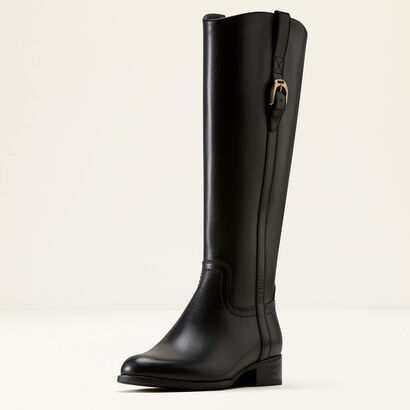
Look for waterproof construction when wet ground is the concern, insulation or a warm lining when added warmth matters, and an outsole appropriate to your activity and terrain. If you ride in wet conditions, compare Waterproof Riding Boots, then confirm the features on the specific style you select.
On styles that include them, ATS® technology is designed to support stability underfoot, while 4LR™ technology is designed to provide cushioning and stability. Neither technology, insulation, nor waterproof construction should be assumed to appear in every boot in this category.
How Do You Care for Winter Boots?
Brush off dirt after wear, let wet boots air-dry away from direct heat, and follow the care instructions for your specific boot’s materials. Clean leather and suede with products intended for those materials; for suede-specific steps, see How to Clean Suede Boots. Check boots regularly for worn soles or damage before the next wet-weather outing.
Ariat was founded to improve performance for equestrian athletes. That purpose remains relevant when choosing winter footwear: compare each boot’s fit and stated weather features against the time you spend riding, working outdoors, or moving between the barn and home.
Frequently Asked Questions About Women's Winter Boots
Are waterproof and insulated winter boots the same thing?
No. Waterproof construction is intended to help keep moisture out, while insulation is intended to add warmth. A boot may have one feature, both, or neither, so check the individual product details rather than relying on its winter styling.
Can I wear these winter boots for riding?
Some styles are intended for riding, while others suit outdoor chores or everyday wear. Choose a boot identified for your riding activity, and check its individual features and fit rather than assuming every boot on a winter category page serves the same purpose.
Should winter boots feel roomy with thick socks?
They should have enough toe room for your intended socks without letting your heel slide excessively. Try them on with those socks, walk around, and check for pressure across the foot and, on taller styles, around the calf.
What do ATS® and 4LR™ mean on a winter boot?
ATS® is designed to support underfoot stability, while 4LR™ is designed to provide cushioning and stability. These are style-specific comfort features, not substitutes for checking whether a boot also has the waterproof construction, insulation, and fit you need.
How should I dry winter boots after a wet day?
Remove surface dirt and allow the boots to air-dry away from direct heat. Follow the care instructions for their specific materials before applying a cleaner or treatment; suede, leather, and other finishes can require different care.