

How-Tos
How to Clean Suede Boots and Shoes: Your Expert Care Guide
Suede is an amazingly stylish material—but keeping it clean can feel tricky. Learn how to clean suede boots and shoes with these surefire DIY techniques.
Suede boots and shoes bring a timeless kind of confidence to any outfit. They’re soft, flexible, and effortlessly stylish, whether you’re walking city streets or country trails. But when the weather or everyday wear leaves them marked or dulled, cleaning them can feel intimidating.
The good news is that suede isn’t fragile; with the right care, your suede leather boots can look just as good years down the road as they did the day you bought them. This guide walks you through how to clean, protect, and care for suede leather boots and shoes so they last season after season.
If you’re caring for smooth leather boots or classic Western styles, check out our full guide on how to clean cowboy boots for detailed steps and product recommendations.
What Is Suede Leather?
Suede is a type of leather made from the underside of the animal hide, which creates a velvety texture. The surface is then brushed to create a soft nap, which gives suede its unique look and feel.
Because of its texture, suede is more porous than smooth leather, allowing it to absorb moisture and stains more easily. That’s also what makes it so comfortable and flexible. The key is keeping that nap lifted, protected, and clean.
The Secret to Suede’s Soft Feel: The Nap
The nap is the collection of tiny raised fibers that give suede its softness and slightly fuzzy appearance. These fibers can flatten or trap dirt over time, which is why brushing suede is so important. Brushing lifts the nap, restores texture, and helps suede maintain its natural depth of color.
What You’ll Need to Clean Suede Leather Boots and Shoes
For everyday cleaning:
- Soft-bristle or suede brush (a toothbrush can work)
- Clean, dry cloth or towel
- Newspaper or boot shapers
- Water (for water stains)
For removing scuffs and stains:
- Pencil eraser (to gently remove tough scuff marks)
- White vinegar (for lifting stubborn salt or water stains
For protecting and conditioning:
- Suede protector
- Waterproofer (for snowy or rainy areas)
How Often Should You Clean Suede Boots?
To keep suede looking its best, regular maintenance is just as important as deep cleaning. Lightly brush your boots every few wears to remove surface dust and prevent buildup. Plan for a deeper clean every few months, or any time the suede starts to look dull or stained.
Ariat Pro Tip: Regular brushing not only keeps your boots clean but also helps maintain the nap and color, so they age beautifully over time.
Test First Before You Clean
Before using any cleaner, conditioner, or protector, always test it on a small, hidden area of your boot first. Suede types can vary slightly in color and finish, and testing helps ensure the product works without changing the texture or tone.
Ariat Pro Tip: The inside of the boot shaft or the area under the pull tab is a great spot to test before applying products to visible areas.
Cleaning Suede Boots and Shoes at Home
Step 1: Let Your Boots Dry
Always start with dry boots. If your suede boots are wet, stuff them with newspaper or a towel to help them hold their shape. Let them dry naturally, away from direct sunlight or heaters.
If your boots are soaked, remove the insoles and place paper towels inside to absorb moisture. Patience pays off here. Suede that dries too fast can stiffen and lose its natural softness.
Ariat Pro Tip: Suede needs the right amount of moisture to stay supple, so slowly air-drying is preferable to heat.
Step 2: Brush Away Dirt and Dust
Once your boots are dry, use a soft-bristle brush to remove any surface dirt. Brush in the direction of the grain for light cleaning. For more stubborn patches, use small, firm back-and-forth motions, then finish brushing with the grain to restore consistency.
After brushing, use a dry, clean cloth to wipe away any loose particles.
Why this works: Brushing lifts the nap and removes embedded dust, restoring the suede’s soft texture and natural movement
Step 3: Spot Clean Minor Stains
If you notice a small spot or faint stain, dampen a clean cloth with a little water and gently blot (never rub) the area. If water alone doesn’t work, mix a mild solution of two parts water and one part white vinegar.
Gently dab the stained area and let it dry completely before brushing the nap back up.
Step 4: Refresh the Texture
Once your suede is clean and dry, use your brush again to revive the nap. Brush in one direction to create a smooth, even look.
If your suede feels stiff, gently steam it by holding it a few inches above the steam from a kettle or iron. As the nap softens, brush it to restore its texture.
Ariat Pro Tip: A quick post-clean brush keeps suede looking brand new and ready for protection spray.
Removing Scuffs from Suede Boots
Scuff marks happen to even the best-kept boots, but they’re easy to treat.
Use a pencil eraser to gently rub over the scuff using short, firm strokes. Once the mark fades, brush the area again to lift the nap.
Ariat Pro Tip: For deeper scuffs, lightly dab the spot with a cloth dipped in white vinegar before brushing again. It helps lift oils and dirt trapped in the fibers.
Getting Stains Out of Suede Boots and Shoes
Water Stains
If water has left marks, lightly dampen a towel and moisten the entire area around the stain. This helps even out the suede tone. Blot excess water, then let your boots dry naturally overnight.
Salt or Tough Stains
Mix two parts water with one part white vinegar. Dip a clean cloth into the solution and gently blot the stained area. Use a suede brush to work on stubborn spots, then wipe again with a cloth dampened in plain water to remove residue. Let your boots dry completely before brushing once more.
Q: Can I use soap or detergent?
Avoid soaps or cleaners that aren’t designed specifically for suede. They can damage the nap and leave shiny patches. White vinegar is a safe, effective option that doesn’t alter the texture.
Oil and Grease Stains
Oil stains can be tough, but they’re not permanent. The key is to act fast.
- Start by blotting the area gently with a dry cloth or paper towel to absorb as much oil as possible.
- Sprinkle cornstarch or talcum powder over the stain and let it sit for several hours or overnight. These powders pull the oil out of the suede.
- Brush away the powder with your suede brush and repeat if needed.
If the stain lingers, use a suede cleaner designed for oil-based marks or take your boots to a professional leather cleaner.
Ariat Pro Tip: Avoid using water right away on oil stains. It can spread the oil deeper into the fibers before the powder has a chance to absorb it.
Cleaning, Shining, and Conditioning Suede
While suede doesn’t have the polished shine of smooth leather, it can still look vibrant and rich with the right care.
- Brush the nap to restore the soft, lifted texture.
- If the material looks faded or dry, lightly condition it with a suede-specific conditioner. Always test a small hidden area first.
- Apply suede protector (and waterproofer, if you live in a rainy or snowy area) once the suede is clean and dry.
Ariat Pro Tip: Brushing before spraying opens up the nap so the protector can coat the fibers evenly.
Protecting Suede Boots for the Long Haul
Once you’ve cleaned and restored your boots, make sure to protect them. A suede protector forms a breathable barrier that repels dirt and moisture. Reapply every few months or after heavy wear.
If you live in a rainy or snowy area, use a waterproofer as well. Some waterproof sprays can slightly darken suede at first, but the color will lighten as they dry. Keep in mind that waterproofers need to be reapplied over time.
Storing Suede Boots
How you store your boots matters just as much as how you clean them.
- Stuff your boots with paper or use boot trees when you aren’t wearing them so they continue to hold their shape over time.
- Keep them in a cool, dry place away from direct sunlight.
- Use a breathable cover, like a cotton dust bag, instead of plastic, which can trap moisture.
Proper storage prevents creases and protects the leather’s natural oils.
Bonus: Refreshing Faded Suede Color
Over time, suede can fade. You can revive it by:
- Lightly steaming the surface to lift the nap. Hold the boot several inches above the steam source.
- Brushing while the suede is warm to restore texture.
- Using a suede color restorer spray for a more even tone (test on a small area first).
These steps can help revive older pairs that have seen a lot of miles.
Every mark on your suede boots tells a story. With the right care and protection, those stories last longer. Suede is meant to be worn, not hidden away, and the beauty of real leather lies in how it lives with you. At Ariat, we build our boots to handle every step of the journey. With just a little care, they’ll keep looking and feeling their best through every adventure ahead. Just like with cowboy boot care, the more preventative care measures you take, the longer your boots will last. When you’re in need of a refresher, browse our extensive collections of men’s boot and shoes and women’s boots and shoes to find something new to love.
When you’re ready to put these care tips into action, explore our selection of men’s and women’s suede boots, designed for lasting comfort, everyday wear, and the timeless texture that makes suede such a standout choice.
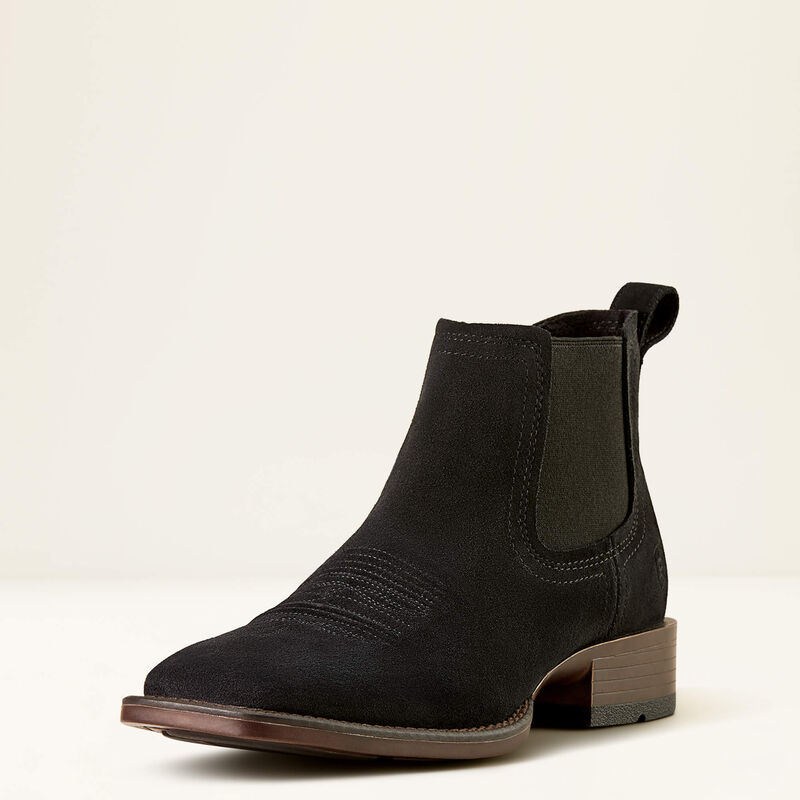
$149.95
Western tradition meets Chelsea-boot versatility. With a low profile and elastic side gores for easy slip-on-and-off, it gives you the look of a cowboy boot but fits cleanly under slim-fitting jeans and pants. As comfortable around the barn as it is on Broadway, it's a timeless staple.
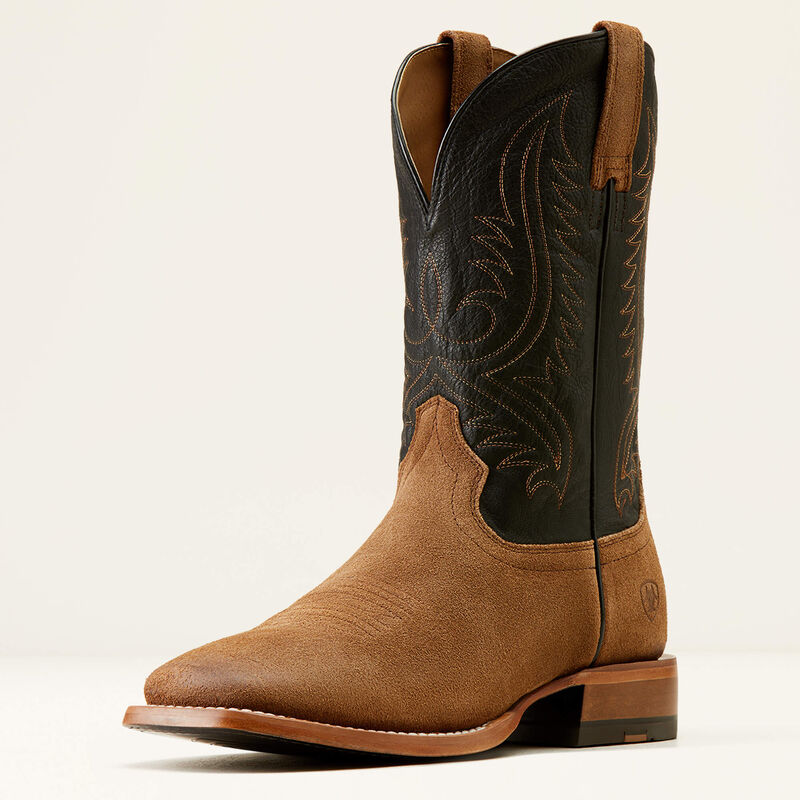
An everyday performance boot with timeless Western style, the Circuit Paxton is made for sunup-to-sundown wear. Full-grain leather helps deliver a broken-in feel right out of the box, while advanced comfort and stability technology help support you wherever the day takes you.

$269.95
The Eleanor boot brings old-world craftsmanship and Western sophistication to a time-honored silhouette. Made by master artisans in León, Mexico, and infused with legendary Ariat comfort, it beautifully blends premium, full-grain leather with the finest suede. This timeless pair is made to be lived in for a lifetime.

Gorgeous stitching, premium leather, and the knee height make our best-selling Casanova boot a showstopper wherever it goes. With the comfort you need for long nights boogying at country concerts and twirling on the dance floor, it'll turn heads whether you've paired it with cutoffs or your favorite summer dress.
FAQs: Cleaning Suede Boots
Can I use water to clean suede?
Yes, but sparingly. Use water only when treating water or salt stains, and always let your boots dry naturally before brushing them again.
How do I restore the nap on my suede shoes?
Use a stiff suede brush—brass or stainless steel bristles work best—to gently lift the nap. You can find these at most hardware or shoe care stores. Brush using short, upward strokes to raise the fibers and restore the suede’s soft texture.
If you don’t have a suede brush, fine-grit sandpaper can work in a pinch, but it may slightly shorten the nap. Always finish with a few light, lifting strokes to bring the texture back to life.
What if my suede boots got completely soaked?
Stuff them with paper towels, replace the towels as they absorb moisture, and let the boots dry slowly at room temperature. Once dry, brush the nap to restore the texture.
Can I use a regular shoe polish or leather conditioner on suede?
No. Suede and smooth leather are finished differently. Regular polishing will darken suede and seal the nap. Use products labeled specifically for suede care.
What’s the difference between suede and nubuck?
Both are made from leather but finished differently. Suede is made from the inner layer of the hide, making it softer and more flexible. Nubuck comes from the outer hide and is slightly tougher, with a fine, velvety finish.
Can I restore the color of faded suede boots?
Yes. Use a suede color restorer spray or take them to a professional leather cleaner. Light steaming and brushing can also help revive color and texture.
How do I remove oil or grease stains from suede boots?
Blot the stain gently with a dry cloth, then sprinkle cornstarch or talcum powder to absorb the oil. Let it sit overnight and brush it away. Repeat if needed. For stubborn stains, use a suede cleaner or visit a professional.
How do I prevent my suede boots from stiffening after cleaning?
Avoid drying them near heat. Slow air drying helps the fibers stay soft. After they’re dry, brushing restores flexibility.
Can I wear suede boots in rain or snow?
You can, but make sure they’re treated with a waterproofer or suede protector first. Reapply regularly, especially in wet or snowy seasons.
How can I tell if my boots need conditioning?
If your suede feels rough, patchy, or stiff, it may be too dry. Use a suede conditioner sparingly to restore flexibility, testing it first on a hidden spot.
Can I use a hair dryer to speed up drying?
Use only on the lowest heat setting and hold it several inches away from the suede. Too much heat can cause the leather to tighten or crack.
How do I store suede boots to keep their shape?
Stuff them with paper or use boot trees, then store them in a cool, dry place. Use a breathable bag or box to prevent dust without trapping moisture.