

Men's Equestrian Riding Clothing
34 items
34 items
34 Results













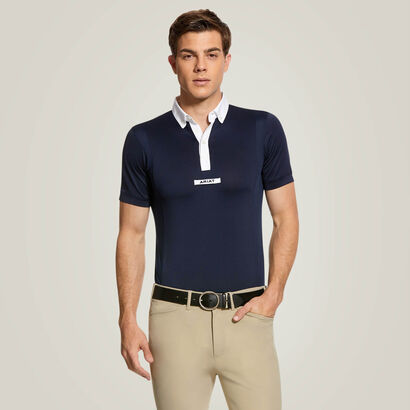
More About Mens Equestrian Riding Clothing
Mens Equestrian Riding Clothing
Men’s equestrian riding clothing is apparel designed for time in the saddle, from English riding lessons and schooling rides to clinics, barn chores, and competition prep. The right outfit helps a rider move freely, maintain a tidy profile, and stay comfortable through posting trot, flatwork, jumping, and long barn days.
How do you choose men’s riding clothing for lessons and schooling?
For lesson riding clothes, start with pieces that are comfortable, close-fitting, and appropriate for English tack: a riding shirt or baselayer, breeches, paddock boots, and weather-ready layers when needed. Riders building a schooling wardrobe can compare Men's Equestrian Training Clothing for everyday lesson apparel and Men's Paddock Boots for a common English footwear option used in lessons and barn work.
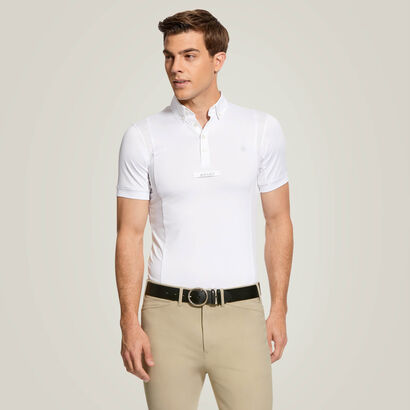
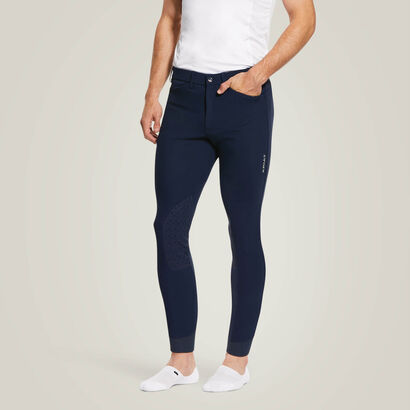
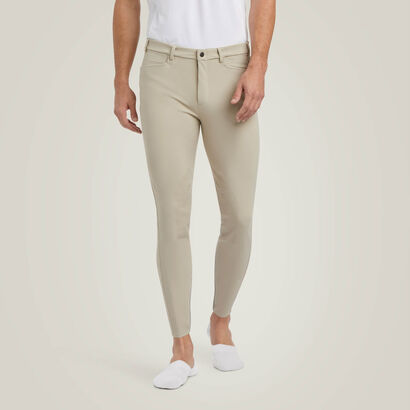
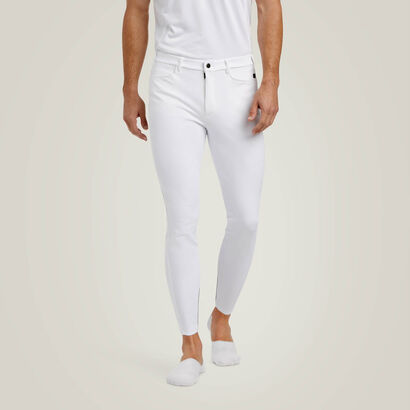
For a practical men's riding clothing kit, choose tops that sit neatly under a jacket or vest and breeches that reduce bulk against the saddle. Men's Equestrian Shirts helps riders find lesson-ready tops, while the Speranza Knee Patch Breech is a specific breech option for riders who want a polished, functional lower-body piece.
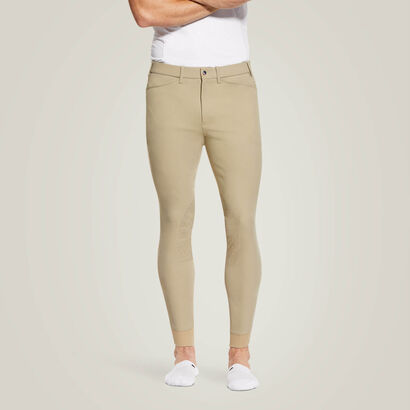
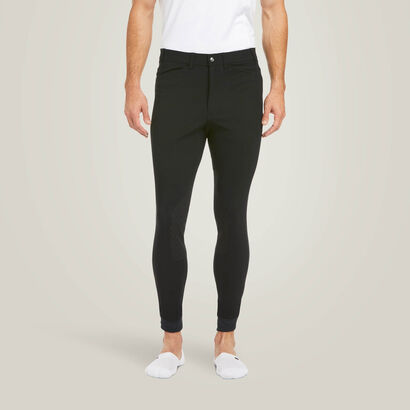
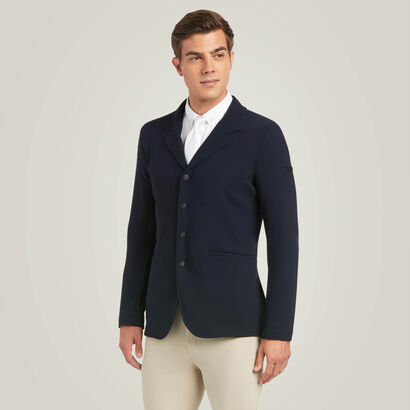
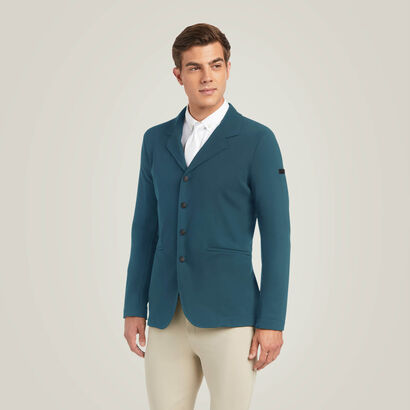
For English riding apparel, breeches are the foundation because they are cut for the saddle and intended to pair with paddock boots, half chaps, or tall boots. Riders can browse Men's Breeches for schooling and formal options, then step into competition-ready pieces like the Speranza Show Coat or explore Men's Show Clothing when lessons lead to show-ring goals.
How should men’s equestrian riding clothing fit?
Fit rule first: riding clothing should sit close enough to avoid catching on tack, but not so tight that it restricts the hip, knee, shoulder, or elbow through the full riding position. Take your natural waist and hip measurements, then consult the size chart to match rise, inseam, and leg opening.
For breeches, check waist size, inseam, knee-patch placement, and calf fit so the fabric lies smoothly under tall boots or half chaps. This category commonly includes men's apparel sizes such as XS through 3XL, tall options on select tops and outerwear, and breech waist sizes that may run numerically; for footwear education, How Should Work Boots Fit can support general guidance on secure, supportive boot fit even though riders should always confirm the fit needs of their specific riding boots.
Which performance features matter for riding?
Moisture-wicking fabric helps move sweat away from the skin during warm lessons, long flatwork sessions, or active barn days.
Breathable construction helps airflow so shirts, baselayers, and breeches feel more comfortable during schooling.
Sun protective fabric is designed to help add coverage for outdoor rides, especially when paired with sensible barn and lesson sun habits.
Waterproof or water-repellent construction helps keep riders more comfortable in wet conditions, depending on the specific garment and care instructions.
Wind-resistant outer layers help reduce the bite of cool air during outdoor schooling, hacking, or early-morning barn chores.
Knee-patch grip is intended to support a steadier feel against the saddle, and the Tri Factor Grip Knee Patch Breech is a relevant choice for riders who want added security for schooling and lessons.
Layering pieces such as Men's Equestrian Jackets & Vests help riders adapt to changing weather without giving up mobility in the saddle.
How do you care for men’s riding clothing?
Core care action first: always follow the care label on your specific style. Turn garments inside out and wash on cold with similar colors.
Avoid high heat. Hang-dry or use low heat to help preserve fabric and color, and brush off arena dust or barn debris before washing when possible. Breeches, show shirts, and technical layers may have performance fabrics, grip panels, or coatings that last longer when washed gently and kept away from harsh heat.
Ariat was founded to bring athletic footwear innovation to equestrian sport, building apparel and footwear for riders who need comfort, durability, and refined performance around horses. That purpose fits men’s English riding apparel especially well: lessons, schooling rides, and show preparation all call for gear that looks precise while standing up to real barn use.
Frequently Asked Questions About Men's Equestrian Riding Clothing
What is men's equestrian riding clothing?
Men’s equestrian riding clothing is apparel made for riding horses, especially in the saddle and around the barn. It includes breeches, riding shirts, baselayers, show shirts, jackets, vests, and show coats.
What should men wear for English riding lessons?
For English riding lessons, men typically wear a fitted riding shirt or baselayer, breeches, and appropriate riding boots. Close-fitting layers are preferred because they reduce extra fabric around the saddle and allow an instructor to see riding position clearly.
Are breeches different from regular pants?
Yes, breeches are designed for riding, with a saddle-friendly cut and less bulk under boots or half chaps. Regular pants may twist, bunch, or create seams that feel uncomfortable during posting trot or longer rides.
Can schooling clothes also be used at the barn?
Yes, many schooling pieces can work for grooming, tacking up, and general barn time. Riders should choose durable, washable layers and save more formal show coats or show shirts for clinics, schooling shows, or competitions when appropriate.
How should men's breeches fit?
Men's breeches should fit smoothly at the waist, seat, thigh, and calf without restricting the hip or knee. The knee patch should align with the rider's leg position so it sits correctly against the saddle.
Which features are best for warm-weather riding?
Moisture-wicking, breathable, cooling, and sun protective fabrics are useful for warm-weather lessons and schooling. These features are designed to help riders stay more comfortable while working in outdoor arenas or active training sessions.
How should riding shirts and show shirts be cared for?
Follow the garment’s care label first, then wash cold with similar colors and avoid high heat. Hanging to dry or using low heat helps preserve fabric, color, and technical finishes.