

Slip On Work Boots
147 items
147 items
147 Results


In 46+ Carts
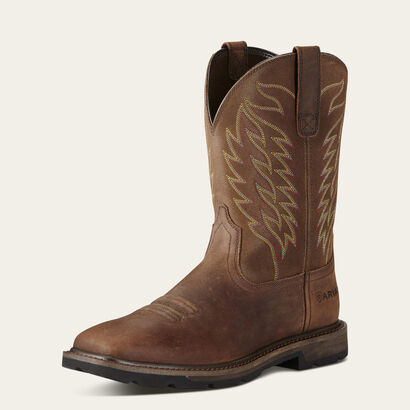


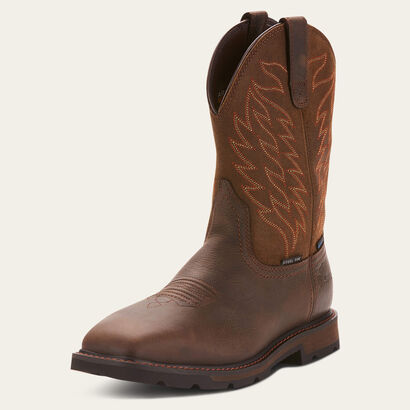


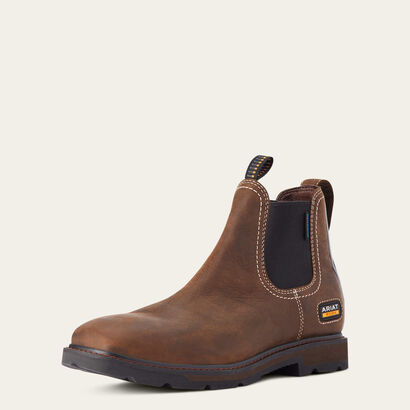


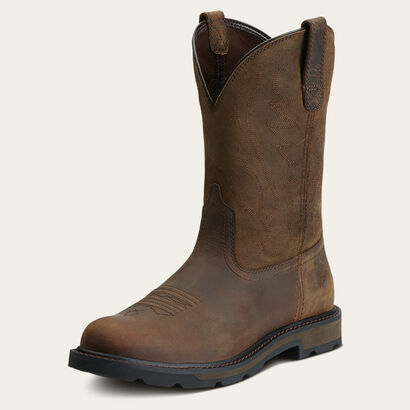


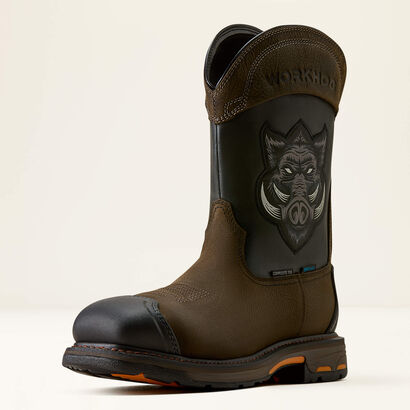
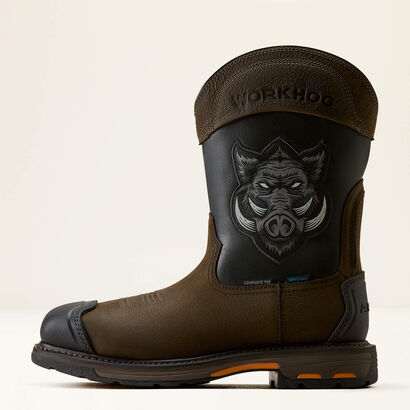


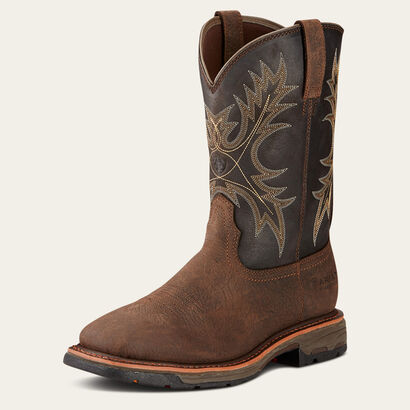


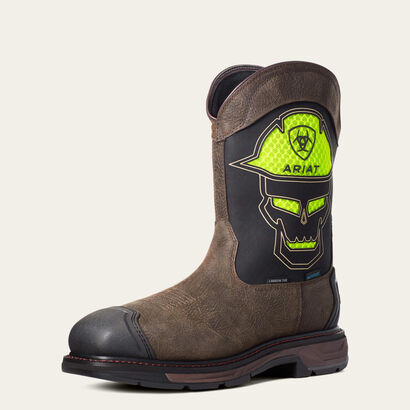







More About Slip On Work Boots
Slip On Work Boots
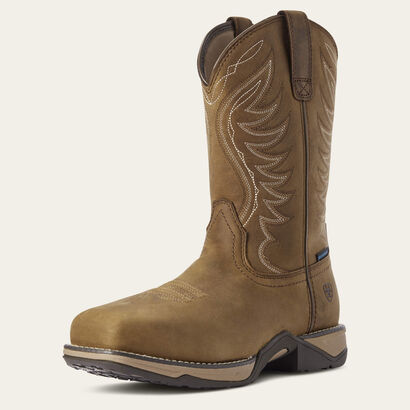
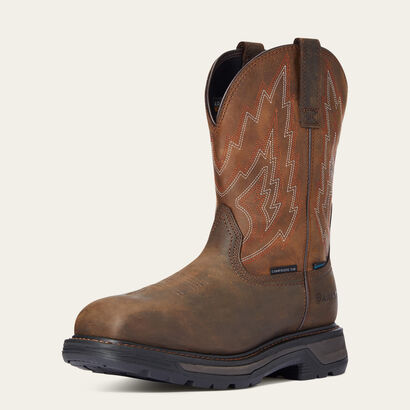
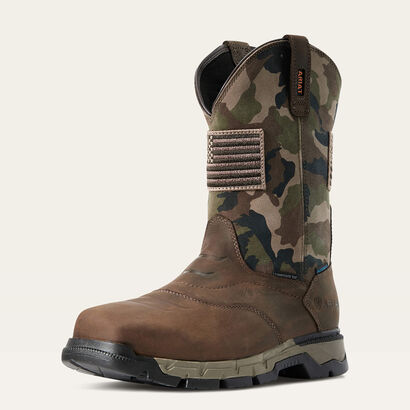
Ariat Slip on work boots are work-ready boots built without traditional laces, making them easy to pull on while providing the support, traction, and job-specific features required for demanding shifts. Designs range from low-profile Chelsea boots such as the Groundbreaker Chelsea Wide Square Toe Waterproof Steel Toe Work Boot to taller pull-on styles for jobs involving rain, mud, grit, or frequent transitions between work areas.
How Do You Choose Slip On Work Boots?
Choose slip on work boots by matching the boot’s fit, safety rating, outsole, weather protection, and materials to the hazards and conditions of your job. Confirm employer requirements first: impact hazards may call for a safety toe, electrical environments may require an applicable EH rating, slick surfaces call for slip-resistant traction, and regular exposure to water may make waterproof construction worthwhile.
For general jobsite guidance, What Are the Best Construction Boots? explains how protection, comfort, durability, and workplace hazards affect the decision. Shoppers working on demanding jobsites can also compare purpose-built Construction Boots by toe protection, traction, weather resistance, shaft height, and width.
Consider how the sole meets the ground. A wedge sole can provide broad surface contact on hard floors, while a defined lug pattern may be better suited to loose dirt or mud. The Rebar Wedge Pull-On Waterproof Composite Toe Work Boot is an example that combines pull-on construction with a wedge outsole, waterproof design, and composite-toe protection.
How Should Slip On Work Boots Fit?
Slip on work boots should feel secure through the heel, instep, and midfoot while leaving enough room for the toes to move without touching the front, sides, or top of a safety-toe cap. Try boots near the end of the day with your usual work socks, then walk, bend, and use stairs to check for pinching, pressure, or excessive heel lift.
A small amount of heel movement can occur in a new pull-on boot, but the foot should not slide forward or lift substantially with every step. Do not depend on break-in to correct cramped toes, painful instep pressure, or an unstable heel. The detailed How Should Work Boots Fit? guide provides additional heel, toe, width, and overall comfort checks.
Available sizes and widths vary by style. This category includes narrow, medium, wide, extra-wide, and 4E filter options, along with men’s, women’s, and children’s sizes. Use the size chart for the specific boot rather than assuming the same size will fit across different toe shapes, safety-toe constructions, or boot lasts.
When fitting a steel-toe slip-on boot for the first time, make sure no toe contacts the rigid cap at the front, sides, or top. The instep must hold the boot securely without painful pressure, and the heel should remain controlled when walking. If the cap presses anywhere while standing, walking, or crouching, try another size, width, or toe shape.
Which Features and Technologies Matter in Slip On Work Boots?
Select performance features according to the job rather than assuming every boot needs every technology. Composite Toe Boots offer a non-metallic safety-toe option for workplaces requiring impact protection, while soft-toe boots are appropriate only when a protective toe is not required.
EH-Rated Boots are designed for workplaces where electrical-hazard footwear is specified; always verify the individual boot's listed standards and your employer's requirements. Slip-resistant outsoles are designed to improve traction, but no outsole is slip-proof, so match the tread and compound to the floor, contaminants, and working conditions.
Shock Shield® is designed to diffuse heel-strike impact. ATS® provides advanced stability, while 4LR™ is designed to support comfort and stability. VentTEK™ uses cooling mesh to encourage airflow, and the BOA® Fit System allows adjustable closure tension when included on a specific style.
Waterproof construction can help keep feet dry in wet conditions, while ventilation can help manage heat during warm or active shifts. The Activator VentTEK Waterproof Work Boot shows how a pull-on design can combine ventilation with weather protection, while Breathable Work Boots provide additional airflow-focused options.
How Do You Care for Slip On Work Boots?
Remove loose dirt after wear, wipe the uppers with a damp cloth, and let slip on work boots dry naturally at room temperature before the next shift. The material and construction principles covered in Boots Built to Last can also help shoppers understand why regular cleaning and material-appropriate maintenance matter.
For leather boots, use a cleaner and conditioner intended for the specific leather, testing it first on a small, hidden area. Avoid direct heaters and high heat, which can damage leather, adhesives, and waterproof components. Clean outsole grooves so packed mud does not reduce tread contact, and inspect the sole, seams, pull tabs, heel, and safety-toe area regularly for damage or separation. Always follow the care directions provided with the specific style.
Founded to bring athletic-footwear innovation to riding boots, Ariat applies that performance-minded approach to work footwear built for long days in demanding environments. Ariat slip on work boots combine Western pull-on heritage with modern options for stability, cushioning, airflow, waterproof construction, traction, and job-required toe protection.
Frequently Asked Questions About Slip On Work Boots
Are slip on work boots better than lace-up work boots?
Neither closure is universally better. Slip-on boots provide quick entry and eliminate loose laces, while lace-up boots allow more adjustment through the ankle and instep. Choose the design that gives your foot the most secure fit.
What should I look for when fitting a steel toe boot for the first time?
Wear your normal work socks and try the boots after your feet have had time to swell. Your toes should move freely without contacting the steel cap, while the instep, midfoot, and heel remain secure without painful pressure.
Which slip resistant work boots are best for slick floors?
Choose boots specifically marked slip resistant and evaluate the outsole for the surfaces and contaminants at your workplace, such as water, oil, or smooth concrete. No work boot is slip-proof, so proper housekeeping and cautious movement remain important.
Should slip on work boots be waterproof?
Waterproof construction is useful for regular exposure to rain, puddles, mud, wet grass, or snow. For hot, dry, or primarily indoor work, a breathable non-waterproof boot may feel more comfortable if waterproof protection is not required.
How much heel movement is normal in pull-on work boots?
Minor heel movement may occur in a new pull-on boot, but the heel should not lift excessively or let the foot slide forward. Persistent slipping usually indicates the wrong size, width, instep volume, or boot shape.
How often should slip on work boots be cleaned?
Brush off dirt after each wear and clean the uppers whenever grime accumulates. Condition compatible leather as needed rather than on a fixed schedule, clear packed debris from the tread, and follow the instructions supplied with the specific boot.