

Rebar Footwear
Work boots and shoes with the comfort, support, and protection you need for long days on your feet.
35 items
35 items
35 Results
In 61+ Carts





In 44+ Carts


More About Rebar Footwear
Rebar Footwear
Rebar Footwear is Ariat work footwear built for long days on jobsites where comfort, support, and protection matter. The collection includes men's and women's work boots and shoes with options such as waterproof construction, composite toe styles, slip-resistant outsoles, and supportive comfort technologies for demanding trades.
How do you choose Rebar work boots?
Choose Rebar work boots by matching the boot height, toe type, outsole, and weather protection to the work you do most. For concrete crews standing on slabs, forms, and wet ground, waterproof, slip-resistant, composite-toe options are often a smart place to start; Concrete Crew Essentials gathers jobsite-ready gear for that environment, and the Rebar Wedge Chelsea Waterproof Composite Toe Work Boot is a waterproof composite-toe wedge option built for hard surfaces.
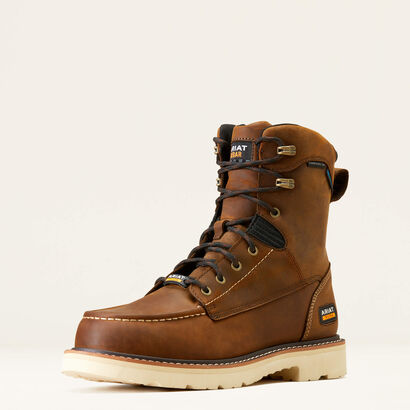
For framing crews climbing, carrying, and moving across uneven jobsite materials, look for secure uppers, dependable traction, and coverage that fits the day's hazards. Construction Crew Essentials is a useful crew-focused starting point, while Rebar Lift 8” offers an 8-inch Rebar option for workers who want added ankle coverage.
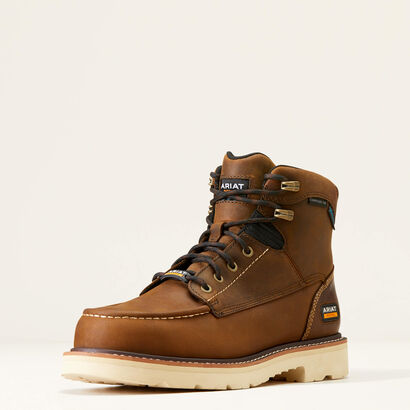
Durable work boots should be chosen by looking at leather construction, outsole design, toe protection, and whether the boot is built for wet, abrasive, or high-mileage work. Shoppers comparing tough jobsite footwear can start with Men's Work Boots, and Rebar Lift 6” is a specific Rebar option for crews who want a 6-inch work boot profile.
How should Rebar work boots fit?
A work boot should feel secure through the heel and midfoot, with enough room for your toes to move without sliding forward on descents or ladders. Rebar Footwear includes sizes shown across the category from 5.5 through 15, with men’s and women’s options; check each product page for available widths, size availability, and safety-toe configurations.
Measure both feet at the end of the day, use the larger foot as your guide, and consult the product size chart before choosing a size. For more detailed guidance, How Should Work Boots Fit can help you evaluate heel hold, toe room, break-in feel, and socks, while Best Work Boots for Wide Feet is helpful if you need a roomier fit.
If you prefer a locked-in feel for climbing, carrying, or uneven ground, lace-up styles let you fine-tune tension through the instep and ankle. The Men's Lace-Up Work Boots category is a practical place to compare secure, adjustable work boot options.
Which performance features matter most?
ATS® technology is designed to provide ergonomic support and stability for long hours on your feet.
4LR™ technology is designed to provide lightweight support and cushioning for everyday work.
VentTEK™ cooling mesh helps release heat and improve airflow in styles built for warmer conditions.
Waterproof construction helps keep feet dry in wet jobsite conditions when featured on a style.
Composite toe designs are intended to add toe protection without using a traditional steel toe.
Slip-resistant outsoles are designed to help provide traction on slick or changing surfaces.
Duratread™ outsoles, when featured on a style, are formulated for wear resistance and flexibility under demanding use.
How do you care for Rebar footwear?
Brush off dirt, grit, and concrete dust after each shift so debris does not sit against the leather, stitching, or outsole. Wipe the boot with a damp cloth, let it air-dry away from direct heat, and condition leather as needed to help maintain flexibility.
For waterproof styles, keep the upper clean and follow the care label for the specific boot. Avoid high heat, harsh cleaners, and soaking the boot unless the product care instructions specifically allow it.
Ariat was founded to bring athletic-shoe innovation to riding boots, and that same performance mindset carries into work footwear built for demanding days on concrete, framing lumber, steel, mud, and gravel. For shoppers who want to understand durability cues before they buy, Boots Built to Last explains what to look for in long-lasting boot construction.
Frequently Asked Questions About Rebar Footwear
What is Rebar Footwear?
Rebar Footwear is Ariat’s work footwear collection for people who need comfort, support, and protection on demanding jobsites. It includes work boots and shoes with options such as waterproof construction, composite toes, slip-resistant outsoles, and supportive comfort technologies.
Are Rebar work boots good for concrete work?
Rebar work boots can be a strong fit for concrete crews when you choose styles with waterproof construction, slip-resistant outsoles, and supportive cushioning. Wedge-style work boots are often preferred on hard surfaces because they can help distribute contact underfoot.
What should framing crews look for in work boots?
Framing crews should look for secure fit, dependable traction, and enough coverage for moving across lumber, ladders, sheathing, and uneven ground. An 8-inch work boot can be useful when a worker wants added ankle coverage compared with a 6-inch style.
How should Rebar work boots fit?
They should feel snug through the heel and midfoot without pinching, with enough toe room to move naturally. If your toes hit the front, your heel slips heavily, or the safety toe feels cramped, try another size or width if available.
Should I choose composite toe or soft toe Rebar boots?
Choose composite toe styles when your jobsite requires added toe protection or when your employer specifies safety-toe footwear. Choose soft toe styles when safety-toe protection is not required and you want a lighter, more flexible feel.
Which Rebar technologies are useful for long shifts?
ATS® and 4LR™ technologies are designed to support comfort and stability during long hours on your feet. VentTEK™ mesh can help with airflow in warmer conditions, while slip-resistant outsoles and waterproof construction support changing jobsite environments.
How do I make Rebar work boots last longer?
Clean off dirt, grit, and concrete dust regularly, then let the boots air-dry away from direct heat. Condition leather when needed and always follow the care instructions for your specific style.