
Snake Boots
3 items
3 items




More About Snake Boots
Snake Boots
Snake boots are footwear made with snake-resistant construction and leg coverage intended to help reduce exposure to snake bites during activities such as hunting or walking through brush. They are different from general outdoor footwear, including Men's Farm & Ranch Boots: check a boot’s stated protective features rather than assuming a tall shaft provides snake resistance.
How Do You Choose Snake Boots?
Choose snake boots by first confirming the product is specifically described as snake-resistant, then comparing shaft coverage, underfoot traction, weather features, and comfort for the terrain and time you expect to wear them. For routine ranch work without a snake-protection requirement, Women's Farm & Ranch Boots and Women's Work Boots offer different starting points; Women's Lace-Up Work Boots let you compare adjustable closures.
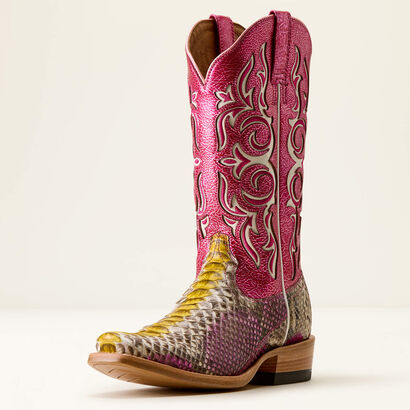
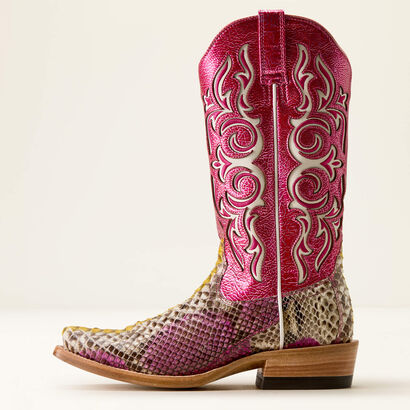
The currently listed Amora Star X Toe Western Boot is a Western boot, not a verified snake-boot recommendation. A python color or material description does not establish snake-resistant construction.
How Should Snake Boots Fit?
Snake boots should hold your foot securely without squeezing your toes, and the shaft should fit your calf without painful pressure or excessive movement as you walk. Try them on with the socks you plan to wear, walk on a firm surface, and check the product size chart and calf measurements before ordering; closure systems, such as those found in BOA Boots, are a separate feature to compare, not proof of snake protection.
This page currently shows sizes 5.5–11 and B-Medium and C-Wide widths for its listed Western boots. Those filters should not be treated as the size range or fit specifications of a verified snake-boot assortment.
What Features Matter on Snake Boots?
The essential feature to verify is stated snake-resistant construction and its area of coverage; shaft height, leather appearance, and a snake-skin pattern do not establish it. Next, compare outsole traction for your terrain, the boot’s stated water-resistance features for expected conditions, and cushioning and closure details for the length of wear. No named protective technology or snake-resistance specification is confirmed for the products currently shown on this page.
How Do You Care for Snake Boots?
Brush off dirt after use, clean the uppers according to their material-specific instructions, and let the boots air-dry away from direct heat. Check the uppers, seams, and soles for wear before returning to brushy terrain, and follow the care directions for your specific style. If you also wear Hybrid Rancher Boots, check each pair’s materials and care instructions separately rather than assuming the same treatment suits both.
Ariat was founded to improve footwear performance and comfort through design informed by riders’ needs. For snake-prone terrain, that practical approach starts with choosing footwear whose product details explicitly confirm the protection you need, not relying on a Western silhouette or python appearance.
Frequently Asked Questions About Snake Boots
Are all tall Western boots snake boots?
No. Shaft height alone does not establish snake resistance. Look for a product description that explicitly identifies snake-resistant construction and states its coverage; a tall Western boot may be intended for a different use.
Does python leather make a boot snake-resistant?
No. A python material or color description refers to the boot’s appearance or upper, not verified protection against bites. The Western boots currently listed here should not be selected for snake exposure without product-specific confirmation of snake-resistant construction.
What should a snake boot feel like when walking?
Your toes should have room to lie comfortably, your foot should feel secure, and the shaft should not painfully squeeze your calf. Test the fit with your usual socks and consult the specific boot’s size chart and calf measurements.
Which snake-boot features should I check first?
Check the stated snake-resistant construction and coverage first. Then match the outsole, weather features, closure, and comfort details to your terrain and planned wear. Do not substitute a safety-toe designation or tall shaft for confirmed snake-resistant features.
How should I clean snake boots after a trip?
Remove dirt promptly, clean the uppers as directed for their materials, and air-dry the boots away from direct heat. Inspect seams, uppers, and soles for damage, and follow the care instructions supplied for your particular pair.