Easy-On Work Boots
Get ready for the workday with easy-on work boots, from BOA dial-and-lace closures to pull-on and Chelsea designs. Compare entry and adjustment styles alongside toe protection, waterproofing and fit to find the right setup for your job.
Read More
Easy-On Work Boots
FAQ
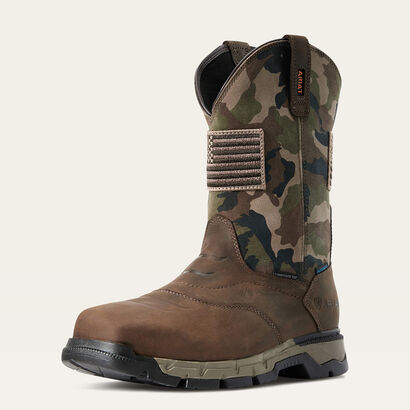
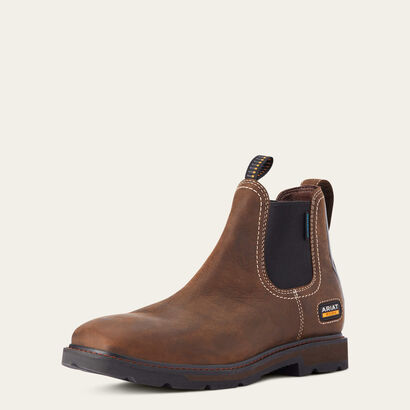
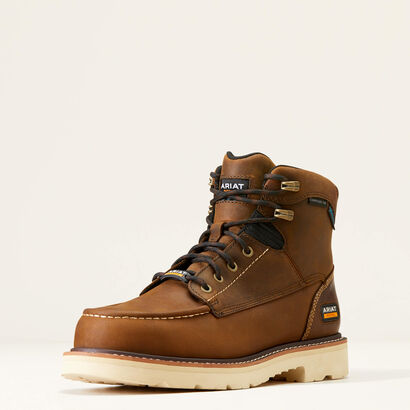
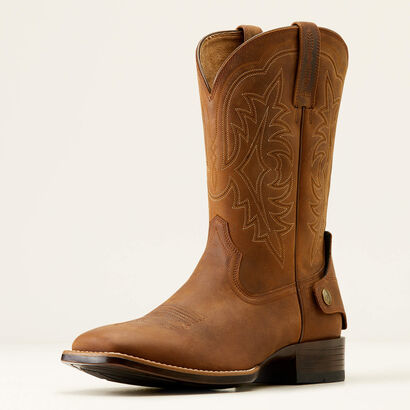
Easy-on describes an approach to entry or closure rather than one specific boot shape. The category includes pull-on and Chelsea work boots, along with BOA dial-and-lace designs that replace conventional lace tying.
No. BOA uses a dial-and-lace system, so it is more accurate to describe these boots as having dial-controlled lacing rather than being completely lace-free. The dial adjusts lace tension without tying a traditional knot.
Yes. Chelsea work boots belong to the pull-on category and have a shorter shaft than traditional tall pull-on work boots. Chelsea describes the boot's silhouette, while pull-on describes how you put it on.
Yes. Some work boot designs combine pull-on entry with BOA adjustment. Pull-on describes the entry method, while BOA identifies the dial-and-lace system used to adjust the closure.
Follow the care instructions for the boot's materials and closure system. Remove accumulated dirt, use recommended cleaning and conditioning products, and follow the manufacturer's directions for maintaining BOA components or other closure details.