
Western, Athletes
What Does It Mean to Be a Cowboy? Ariat Athletes Reflect on the Spirit of the West
Celebrate National Day of the Cowboy with Ariat Athletes Miles Baker, Kaycee Feild, Najiah Knight, and Ezekiel Mitchell as they reflect on Western heritage, cowboy values, and the enduring spirit of the American West.
As America marks its 250th anniversary, the cowboy remains an enduring symbol of the American West—rooted in hard work, resilience, integrity, and grit. While much has changed over the centuries, the traditions and values associated with the cowboy way of life continue to resonate today.
National Day of the Cowboy is a chance to celebrate the people, traditions, and ideals that have shaped Western culture for generations. We caught up with four Ariat Athletes, Miles Baker, Kaycee Feild, Najiah Knight, and Ezekiel Mitchell, to hear what being a cowboy means to them, and why preserving that heritage matters today.

Meet the Ariat Athletes Keeping the Cowboy Tradition Alive
Although every cowboy and cowgirl follows a unique path, the principles that guide them are often the same, and they all share a deep connection to the culture and communities that shaped them.
For 6X World Champion Bareback Rider Kaycee Feild, being a cowboy is something to wear with pride. “What matters most isn’t just the cowboy hat,” he explains. “It’s what that hat represents and the character of the person underneath it.”
Professional team roper and horseman Miles Baker shares that being a cowboy starts with personal integrity. “There’s a silent code to being a cowboy,” he says. “Respect, honesty, and doing the right thing—even when it's hard. Strong character is what makes a good cowboy.
Najiah Knight credits discipline, determination, and family support for helping shape who she is. To her, being a cowgirl means having the drive to pursue your goals and the confidence to keep going after them. “It’s about knowing that if you truly put your mind to something, you can accomplish it.”
Ezekiel Mitchell, professional bull rider, believes that the cowboy tradition is rooted in stewardship. “It means being a steward of what God has given us,” he says. “It's about taking care of the animals, the land, and the people around you.”

Why National Day of the Cowboy Matters
National Day of the Cowboy is about honoring and celebrating a symbol of the American West whose traditions are more relevant today than ever.
“Cowboys wake up before the sun comes up, feed their animals before they feed themselves, and keep working long after the sun goes down,” explains Feild. “It’s a lifestyle built on hard work, resilience, dignity, and sacrifice.” He believes those standards deserve recognition and preservation. While their way of life may look different now than it did generations ago, the principles behind it remain the same.
He continues, “I don’t think the cowboy way has always gotten the respect it deserves, but I love seeing how much appreciation there is for it right now. Rodeos are selling out, Western culture is growing, and more people are connecting with the cowboy lifestyle through social media, television, and fashion. What’s exciting to me is that young people today have more opportunities than ever to embrace the cowboy way of life. There’s something about the Western lifestyle that people are naturally drawn to.”
That sentiment was echoed throughout our conversations with our other athletes.
For Knight, National Day of the Cowboy is an opportunity to recognize the grit and dedication that often goes unnoticed: “There’s a lot of hard work and a lot of long days and tiring jobs that all of us do that we don’t get a lot of respect for or acknowledgment for. I think it’s very important to show appreciation for the people keeping those traditions alive.”
Mitchell says that cowboy culture offers an important reminder in a world that rarely remembers to take a breath.
“We get so wrapped up in a fast-paced world, and we forget to look at the little things. Every little detail matters to us. I think that’s a lot of what the world is missing—to slow down and pay attention to the little details.”
Baker believes cowboy heritage is worth carrying forward because of the values that come with it. “The image of the American cowboy is honesty, hard work, respect—yes ma’am, yes sir, looking people in the eye when you shake hands, and doing the right thing even when it’s hard.”
The world around it may have changed, but the appeal of cowboy culture hasn’t. And for all that’s changed in the last 250 years, these athletes suggest that some things are still worth holding onto.

What Most People Don't Know About Cowboy Life
Beneath the hats, boots, and buckles that most people picture when they hear the word “cowboy” is a lifestyle built on sacrifice, discipline, and an unwavering commitment to the work.
“A lot of people say the good thing about being a cowboy is the lifestyle,” says Baker. “That’s not the case for me. In fact, that may be the worst of it. Being a cowboy means no guaranteed paychecks, no health insurance, and no retirement.” For him, the rewards come from something deeper: having the freedom to pursue what you’re most passionate about and having the opportunity to build a life around it.
Growing up on a cattle ranch taught him that success doesn’t just happen overnight, and it’s always the result of a strong work ethic. “If you know how to truly put your head down and give everything you have to something, stacking hours, days, weeks, and sowing the right seeds… it may be six months or five years, but you’ll always see the fruits of your labor.”
Knight learned a similar lesson through her family's support. Long before she was competing, her parents were finding ways to help her chase her dreams. “They supported me through everything, even during hard times. We’d do bake sales, car washes—whatever it took to get me to rodeos.”
According to Mitchell, one of the things people often misunderstand about cowboy life is the deep sense of connection it creates. He was drawn to the cowboy way of life not only because of the resilience he saw in cowboys and the way they cared for their animals, but because it made him feel part of something bigger than himself: a tradition that stretches across generations.
Feild believes one of the most overlooked parts of cowboy culture is the emphasis on respect. Throughout his career, he learned that being a cowboy isn’t just about winning—it’s about how you carry yourself and how you treat others along the way.
“My dad taught me early on the difference between confidence and arrogance, and that lesson stayed with me throughout my career,” he says. “He always reminded me that the rodeo arena is someone else’s stage, too, and you need to respect it and the people around you. If you treat people with respect and stay grounded, things tend to work out a lot better.”
Together, these stories reveal a side of cowboy life that often goes unseen. Beyond the arenas and ranches lies a commitment to values that are passed down from one generation to the next.
For Ariat, preserving Western heritage means supporting the people who carry it forward. That starts with building products designed for the realities of the Western lifestyle, whether that’s in the arena, on the ranch, or wherever the day leads.

The Ariat Boots Our Athletes Swear By
Whether they’re competing, working horses, or heading out to dinner, each athlete has a go-to pair they trust.
Miles Baker
Favorite Boot: Futurity Boots in Cutter Toe
“They have that classic old-school cowboy look, but they're comfortable enough to work and ride in all day.”

A modern take on tradition for today's cowboy, Futurity Deal is built to compete. An extra layer of heel-to-toe cushioning helps you go harder in the arena, while the punchy profile turns heads all over town.
Kaycee Feild
Favorite Boot: Futurity Boots in Exotic Leather
“They fit great in a stirrup, but they're also sharp enough for church, date night, or going out. The versatility is hard to beat.”

A modern take on tradition for today's cowboy, our Futurity collection combines bold designs with performance technology. With a striking shaft and caiman belly foot, this pair will shine in and out of the arena. An extra layer of heel-to-toe cushioning keeps you comfortable wherever the day (or night) takes you.
Najiah Knight
Favorite Boot: Futurity Boots
"They're incredibly comfortable and easy to wear all day. I love all the different styles and colors."

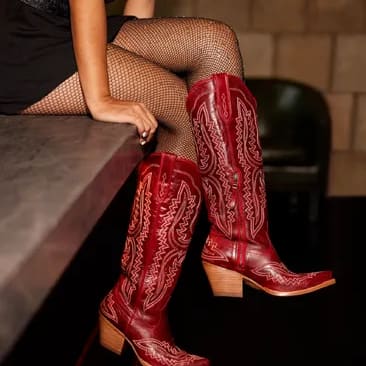
Designed in collaboration with 26x World Champion Cowboy Trevor Brazile, the Relentless collection of Futurity boots is a modern take on tradition for today’s cowgirl. With a cutter toe, roughout foot, and bright, bold shaft, this punchy pair is guaranteed to turn heads. Superior comfort and stability, plus an extra layer of heel-to-toe cushioning, keeps you on your toes.
Ezekiel Mitchell
Favorite Boot: Futurity Boots
“Ariat really listened to athletes when designing these boots. They're comfortable, versatile, and I can wear them whether I'm riding horses or heading out for the night.”

A modern take on tradition for today's cowboy, Futurity Deal is built to compete. An extra layer of heel-to-toe cushioning helps you go harder in the arena, while the punchy profile turns heads all over town.
As America marks 250 years of history, the cowboy continues to represent something timeless: resilience, hard work, integrity, and the freedom to forge your own path. From rodeo arenas to ranches across the country, today’s cowboys and cowgirls are carrying those traditions forward, proving the spirit of the American West is alive and well.
Frequently Asked Questions About National Day of the Cowboy
When is National Day of the Cowboy?
National Day of the Cowboy is celebrated every year on the fourth Saturday in July. In 2026, the holiday falls on July 25. This special day honors the enduring legacy of the American cowboy and recognizes the pioneers, ranchers, rodeo athletes, and Western communities that helped shape the culture and history of the American West. Across the country, fans celebrate National Day of the Cowboy with rodeos, parades, ranch events, Western fashion, country music, and family-friendly gatherings that pay tribute to cowboy heritage and the spirit of the frontier.
What is the history behind National Day of the Cowboy?
National Day of the Cowboy was established in 2005 to celebrate and preserve the heritage of the American West. The holiday honors the cowboys and cowgirls whose hard work, resilience, and ranching traditions helped shape American history and continue to influence Western culture, rodeo, fashion, and country living today.
Who are the most famous cowboys in American history?
Some of the most famous cowboys in American history became enduring symbols of the American West through ranching, rodeo, and frontier legend.
Wyatt Earp is one of the most legendary figures of the Wild West, best known for his role in the Gunfight at the O.K. Corral in Tombstone, Arizona. His story helped define the image of the fearless frontier lawman.
Buffalo Bill Cody helped bring cowboy culture to the world through his famous Wild West shows, featuring horseback riding, rodeo skills, and frontier entertainment that celebrated the spirit of the American cowboy.
Bill Pickett was a groundbreaking Black cowboy and rodeo star who invented the technique of steer wrestling, also known as bulldogging. His influence on rodeo and Western history remains significant today.