

Women's Equestrian Riding Boots
39 items
39 items
39 Results



















More About Women's Equestrian Riding Boots
Women's Equestrian Riding Boots
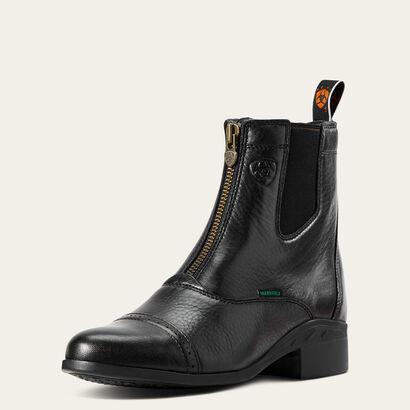
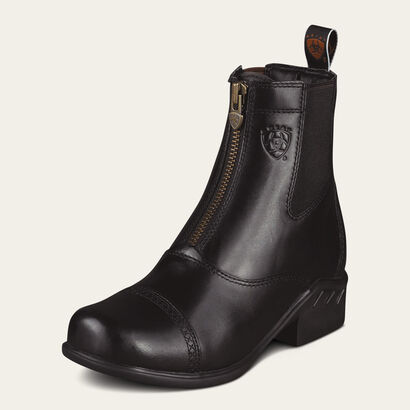
Ariat Women's equestrian riding boots are purpose-built footwear for English riding lessons, training, barn days, and competition. Because footwear needs vary across Different Types of Horseback Riding, the category includes short paddock boots, tall field boots, and tall dress boots for distinct riding and presentation needs.
How Do You Choose Women's Equestrian Riding Boots?
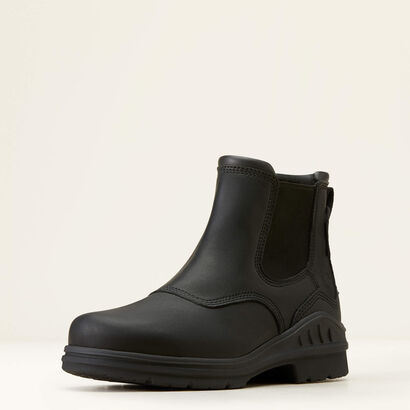
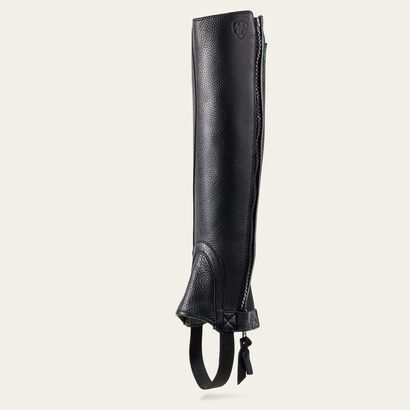
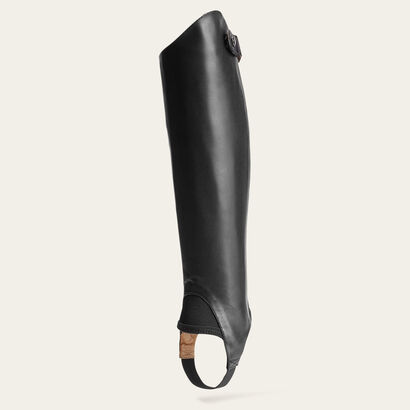
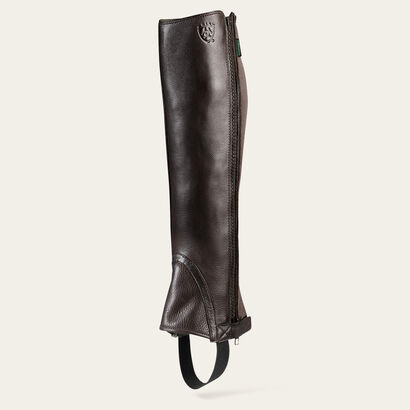
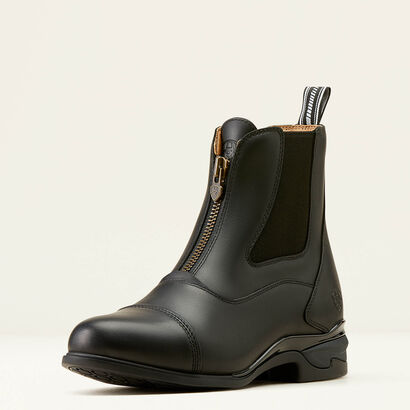
For regular lessons and barn days, start with paddock boots and half chaps; this combination is practical for newer riders, easier to size than tall boots, and adaptable for everyday schooling. Choose a secure lace, front-zip, back-zip, or pull-on closure based on the fit and convenience you prefer.
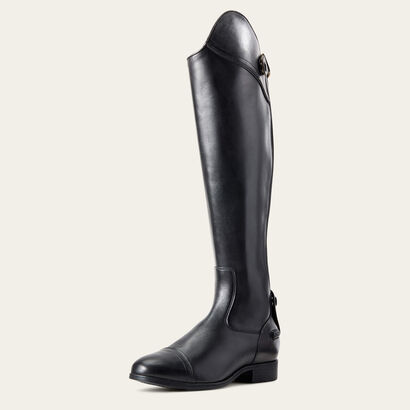
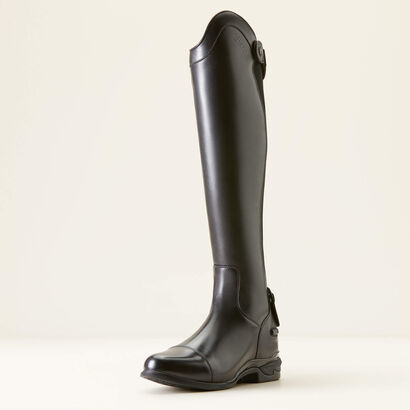
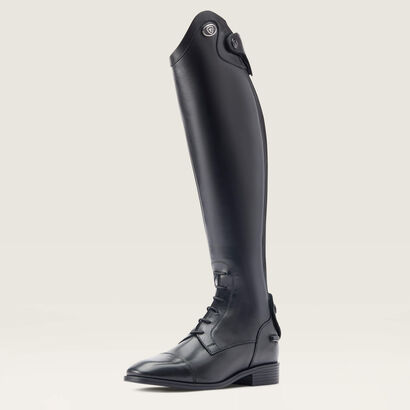
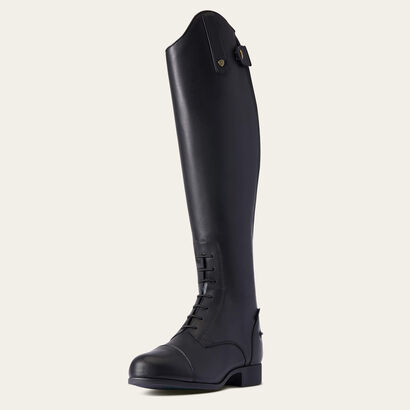
Tall field boots have ankle lacing that allows added flex and are commonly selected for hunter, jumper, and eventing use. Tall dress boots create a more streamlined leg without front lacing and are commonly associated with dressage and formal competition; the Kinsley Dress Tall Riding Boot shows the refined profile available in this type of boot.
Before selecting competition footwear, confirm the expectations for your discipline, show level, and organization. The Show Jumping Outfits guide provides additional context for building an English competition look.
How Should Women's Equestrian Riding Boots Fit?
Women’s riding boots should feel snug and supportive around the foot without pinching the toes or creating pressure points. Tall boots should sit close around the ankle and calf without large gaps, with the top finishing near the bend behind the knee; leather shafts may settle slightly as they break in.
Measure both calves at their widest point and measure height from the floor to the bend behind the knee while wearing the breeches and socks used for riding. Compare those measurements with the size chart for the specific style rather than relying on shoe size alone.
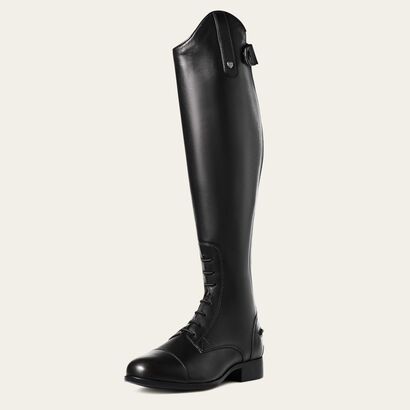
This category includes women's shoe sizes 5.5–11, B-Medium and C-Wide foot widths, and multiple shaft heights. Use the shaft, calf, ankle, and foot measurements listed for a style such as the Heritage Contour II Field Zip Tall Riding Boot to find the closest available profile.
Which Riding-Boot Features Matter Most?
Look for a defined riding heel, a sole designed to work with a stirrup, a secure closure, and a shaft or upper that supports the intended discipline. Footbed cushioning, flexibility, calf-shaping panels, durable outsoles, and moisture-management features may also improve everyday comfort and usability.
ATS® technology is designed to provide stability and support underfoot. 4LR™ technology is built to provide cushioning and stability for everyday wear.
Axis Pro™ technology is designed to provide responsive pressure relief. Shock Shield® technology helps diffuse heel-strike impact.
Field and dress boots should also be evaluated for ankle flex, calf contour, zipper placement, and the smoothness of the inside leg where it contacts the saddle. Compare each product’s specifications because available technologies and construction details vary by style.
How Do You Care for Women's Equestrian Riding Boots?
Remove dust, arena dirt, and manure after every wear with a soft brush or slightly damp cloth, then let the boots dry naturally before storage. Do not place leather boots beside direct heat, which can dry or damage the material.
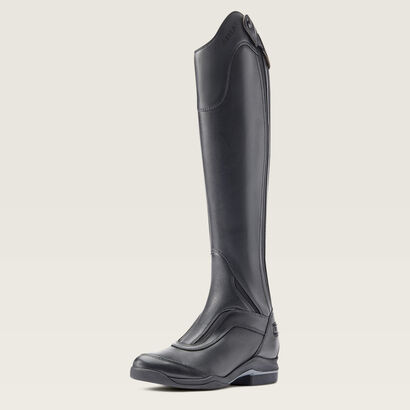
Apply a cleaner and conditioner intended for the boot's specific leather, using a small amount and following the product-care directions. Before treating a technical style such as the V Sport Zip Tall Riding Boot, review its material and care information so the selected product is suitable for every part of the boot.
Keep zipper tracks free of sand, hair, and dried mud, and operate zippers without forcing them. Store tall boots upright with boot trees or shaft supports to help maintain their shape, and allow damp boots to dry completely before putting them away.
Ariat was founded to bring athletic-footwear innovation to equestrian athletes. That rider-focused purpose continues in women’s English riding boots designed around in-saddle stability, supportive comfort, disciplined silhouettes, and the practical demands of lessons, training, and competition.
Frequently Asked Questions About Women's Equestrian Riding Boots
What are women's equestrian riding boots used for?
Women’s equestrian riding boots are made for English riding, including lessons, schooling, jumping, dressage, and competition. Their defined heels, riding-oriented soles, and close-fitting uppers are designed to work with stirrups and reduce unnecessary bulk against the saddle.
What is the difference between paddock boots and tall riding boots?
Paddock boots end near the ankle and are commonly paired with half chaps for lessons and schooling. Tall boots extend below the knee, create a continuous leg profile, and are frequently chosen for competition or riders who prefer full-calf coverage.
Which horseback riding gear should a new rider buy first?
A properly fitted, certified riding helmet should come first. For footwear, many beginners choose paddock boots with half chaps because they provide a practical lesson setup and are generally easier to fit and replace than tall riding boots.
How can I tell whether tall riding boots fit correctly?
Tall riding boots should feel close through the ankle and calf without painful pressure or large gaps. The shaft should reach near the bend behind the knee initially, while the foot should feel secure without crowding the toes.
How often should leather riding boots be cleaned?
Brush or wipe riding boots after each use so sweat, dust, and barn debris do not build up. Condition leather periodically according to the product instructions, clean zipper tracks regularly, and always allow damp boots to dry naturally away from direct heat.