

Women’s Engineer Boots
5 items
5 items




More About Women’s Engineer Boots
Women’s Engineer Boots
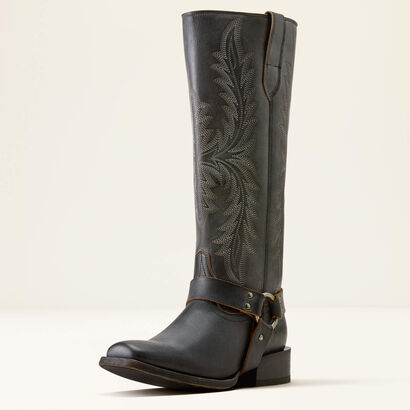
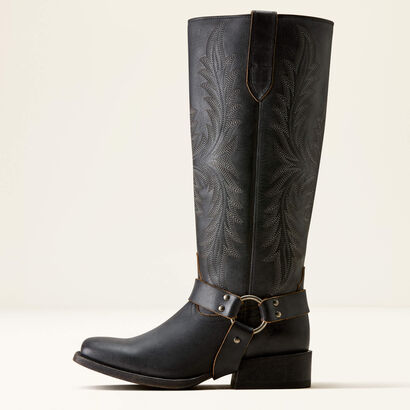
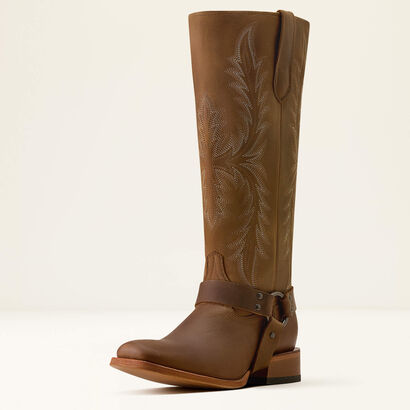
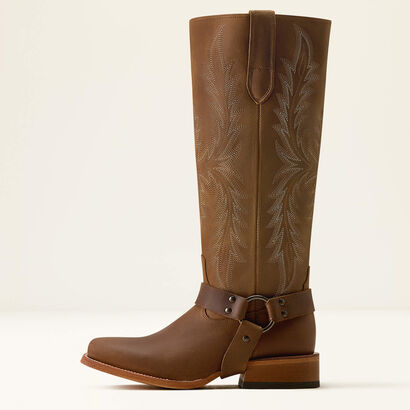
Women’s engineer boots are sturdy boots traditionally recognized by a straight shaft and buckle straps, worn for everyday style and leg coverage. Not every boot in this collection follows that classic design: the Fatbaby Chelsea Harness Western Boot offers harness detailing but is a Western boot, so check each product’s silhouette and features.
How do you choose women’s engineer boots?
Choose by where you’ll wear them: prioritize the shaft height and closure you prefer for everyday outfits, then check the product details for weather-ready features. The Savannah Sherpa Waterproof Boot is an option to compare when waterproof construction and a sherpa-lined feel matter; confirm the specific features listed for your size and color.
For a shorter, harness-detailed Western look, compare Fatbaby Boots. If silhouette is your starting point, Chukka Boots provide a shorter comparison, while Black Tall Boots let you browse taller styles.
How should women’s engineer boots fit?
Women’s engineer boots should hold your heel and midfoot comfortably, leave room to move your toes, and feel secure around the shaft without pinching. Try on both boots with the socks you plan to wear, walk in them, and check that your foot does not slide forward; the Bampton Waterproof Boot product page lets you check its available sizes while comparing fit.
The category filters show sizes 5.5–11 and B-Medium and C-Wide widths, but availability varies by style. Use the selected product’s size chart and listed shaft and heel measurements rather than assuming every boot has the same proportions.
Which boot features matter most?
Look at the upper material, closure, shaft height, outsole, and weather features before choosing a pair. The category includes pull-on and side-zip options, rubber-outsole filtering, and waterproof styles; those attributes vary by product, so check the individual listing.
Where specified on a product, ATS® (Advanced Torque Stability) technology is designed to provide underfoot support and stability. Waterproof construction is designed to help keep feet dry in wet conditions; it does not make every boot in this collection waterproof.
How do you care for women’s engineer boots?
Brush off loose dirt after wear, let damp boots dry away from direct heat, and follow the care instructions for your boot’s material. Use a cleaner or conditioner only when it is appropriate for that material, and check the product guidance before treating waterproof finishes or sherpa details. For broader habits that help maintain boots over time, read Boots Built to Last.
Ariat was founded to bring athletic-footwear innovation to equestrian footwear. That focus on practical design informs its wider boot range; for this collection, compare each style’s fit, materials, and features against how you plan to wear it.
Frequently Asked Questions About Women’s Engineer Boots
What makes a boot an engineer boot?
A traditional engineer boot has a straight shaft, a pull-on design, and adjustable buckle straps. This collection also contains related boot silhouettes, so use the product photos and details to distinguish classic engineer features from harness-detailed Western styles.
Are all boots on this page suitable for work?
No. A rugged appearance does not establish workplace suitability. Check the individual product’s stated features and any safety requirements for your job; do not assume a boot has a protective toe, slip-resistant rating, or other work-specific feature unless it is listed.
Should women’s engineer boots feel loose at the heel?
Your heel and midfoot should feel comfortably held, and your foot should not slide forward as you walk. Try both boots with your usual socks, check toe room, and compare available widths if the fit feels tight or unstable.
Is a waterproof engineer-style boot worth choosing?
Choose waterproof construction if wet conditions are part of your plans. It is a style-specific feature, not a property of every boot in the collection; also consider the closure, lining, and shaft height when comparing how the boots will feel.
What is the best way to clean these boots?
Start by brushing off dry dirt and allowing damp boots to air-dry away from direct heat. Then follow the care directions for the specific material, especially before applying cleaner or conditioner to waterproof finishes, suede, or sherpa-trimmed styles.