
Slip Resistant Shoes
258 items
258 items










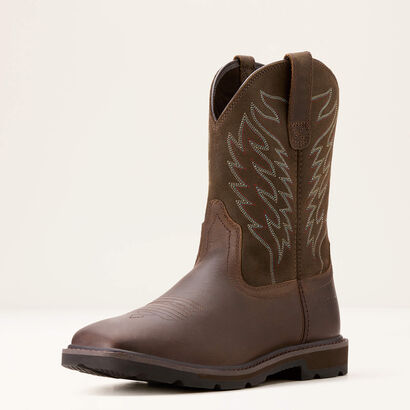


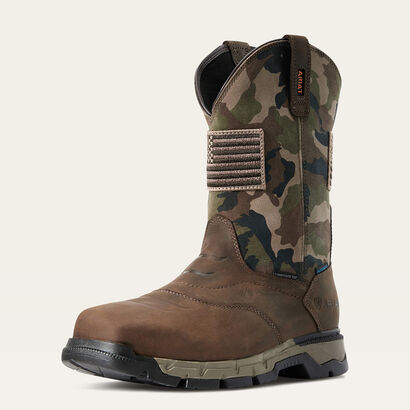

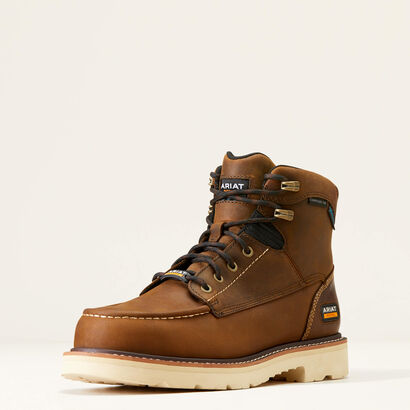


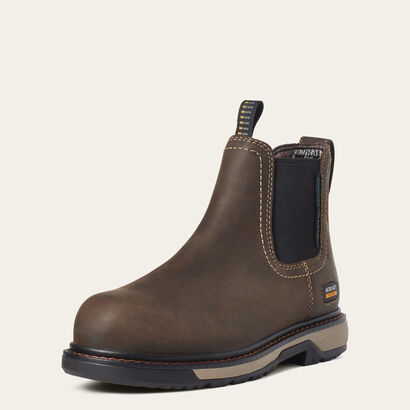




More About Slip Resistant Shoes
Slip Resistant Shoes
Slip-resistant shoes are footwear with outsoles designed to help provide traction on surfaces where footing may be uncertain. They are not slip-proof, and the right pair depends on the surfaces and requirements of your workplace. For a color-specific starting point, explore Black Nonslip Shoes.
How Do You Choose Slip-Resistant Footwear?
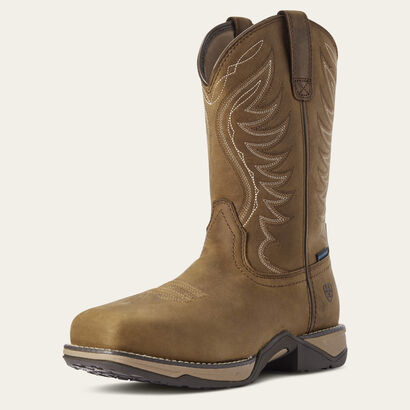
The best slip-resistant work boots for your job have an explicitly identified slip-resistant outsole, the protection your workplace requires, and a fit you can wear comfortably through a shift, not simply the highest-ranked name on a list. Start with the surfaces you encounter, then decide whether you need a lower-profile shoe or a boot, waterproof construction, insulation, or a specified safety toe.
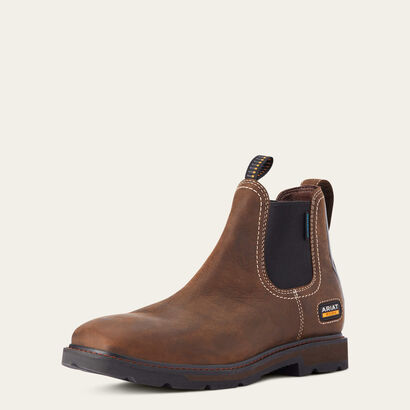
For jobsite shopping, Construction Crew Essentials and Concrete Crew Essentials offer work-setting context. If you prefer a waterproof boot, examine the Groundbreaker Chelsea Wide Square Toe Waterproof Work Boot, but confirm its listed outsole properties and safety specifications against your job’s requirements before choosing it.
Slip resistance is separate from other footwear ratings. If your workplace specifies EH (electrical hazard), SD (static dissipative), PR (puncture resistance), or MetGuard (metatarsal protection), check the individual product’s stated rating; do not assume a slip-resistant label establishes any of those protections.
How Should Slip-Resistant Shoes Fit?
Slip-resistant shoes should hold your foot securely without pinching: your toes need room to lie flat, and your foot should not slide around as you walk. If you need a safety toe, make sure your toes do not press against its front or sides; changing size will not stretch the protective cap.
Try footwear with the socks you plan to wear at work and check the size chart and available widths for the specific style. This collection’s filters include narrow, medium, wide, and 4E options, while available sizes vary by product; the Buckeye Slip On Waterproof Shoe is one style to inspect for its own sizing and fit details.
Which Features Support Long Shifts?
Look for an outsole identified as slip resistant, then compare the shoe’s cushioning, support, upper construction, and closure with the demands of your day. Outsole traction can vary with the surface and conditions, so keep workplace footwear requirements in view.
ATS® technology is designed to provide stability and support underfoot. 4LR™ technology is designed for comfort and stability. VentTEK™ cooling mesh helps airflow; check individual product details because features vary by style.
How Do You Care for Slip-Resistant Shoes?
Clean debris from the outsole and its grooves regularly so the tread can make contact with the walking surface. Wipe or brush the uppers as appropriate for their material, let footwear dry away from direct heat, and follow the care instructions for your specific style. Inspect worn tread and damaged footwear rather than assuming cleaning alone will restore traction.
Ariat was founded to bring athletic-footwear innovation to equestrian footwear. That focus on how footwear feels and performs through active days also informs its work styles, where traction, fit, and the right job-specific features matter.
Frequently Asked Questions About Slip Resistant Shoes
What makes a shoe slip resistant?
A slip-resistant shoe has an outsole designed to help provide traction. The label does not mean the shoe cannot slip: surface material, spills, debris, tread condition, and how you move all affect footing.
Should I choose slip-resistant shoes or work boots?
Choose according to your workplace requirements and the coverage you prefer. A lower-profile shoe may suit a job that does not require a boot; if you need boot coverage, check each boot’s stated traction and protective features separately.
How can I tell whether the fit is right?
Your toes should lie flat without pressing against the front, while the shoe holds your foot securely as you walk. Try it with your work socks and consult that style’s size chart and width options.
Does a safety-toe rating also mean a boot is slip resistant?
No. A safety-toe rating addresses specified protective properties, not whether the outsole is labeled slip resistant. Check the individual boot for both the protections your workplace requires and its stated outsole features.
When should I clean or replace slip-resistant footwear?
Remove buildup from the outsole grooves regularly and inspect the tread as part of your routine. If the tread is substantially worn or the footwear is damaged, follow your workplace guidance on replacement; cleaning cannot rebuild worn tread.