Women's Sweaters & Cardigans
32 items
32 items

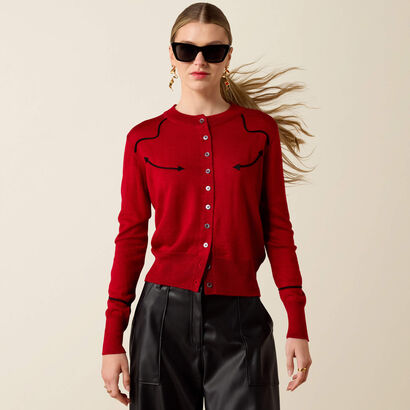
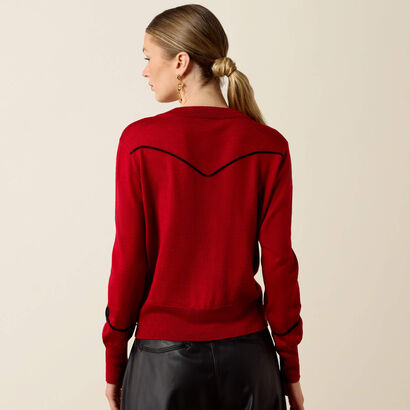


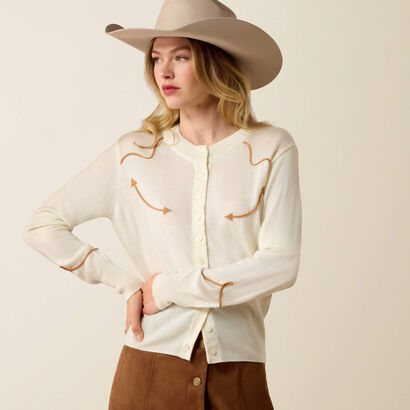
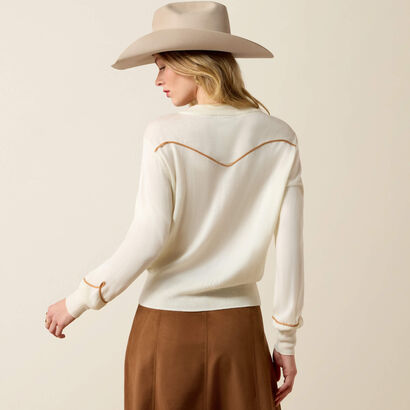
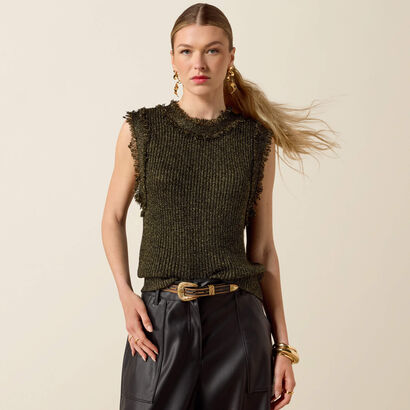
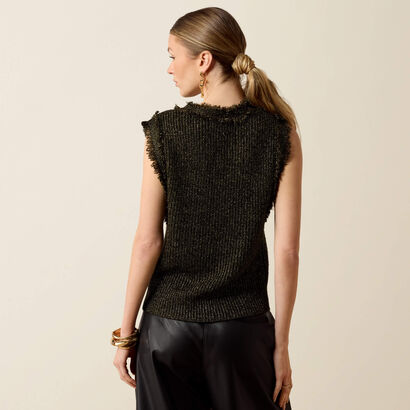




More About Women’s Sweaters & Cardigans
Women’s Sweaters & Cardigans
Women’s sweaters and cardigans are knit layers worn for comfort, coverage, and adaptable everyday styling. A sweater is generally pulled on overhead, while a cardigan opens at the front so you can adjust your layers as the day changes.
How Do You Choose a Knit Layer?
Choose by how you plan to wear it: a pullover makes a straightforward top, while a cardigan is easier to take on and off over another shirt. For an open-front layer, compare the Colter Cardigan; if you want arm coverage without a front opening, look at a pullover instead.
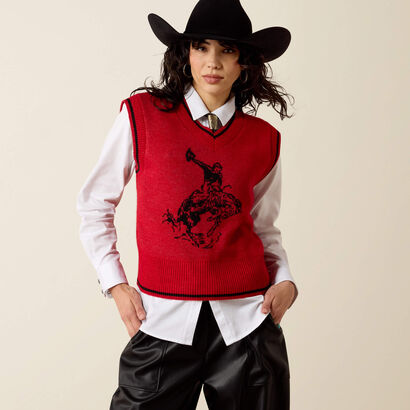
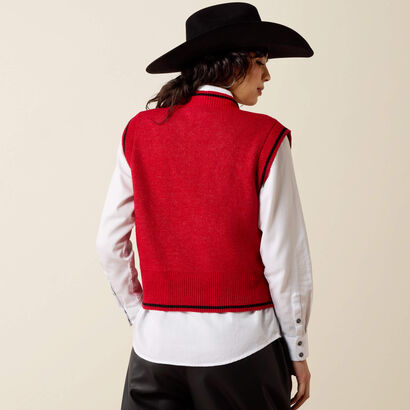
Consider the sleeves and closure as well as the look. A sleeveless style such as the Wichita Sweater Vest leaves room to layer over a long-sleeve shirt, while a button-front or half-zip style lets you adjust coverage. Check each product’s fabric details and care label before choosing a knit for your routine.
How Should Sweaters and Cardigans Fit?
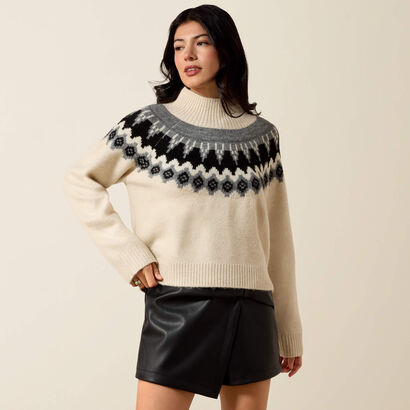
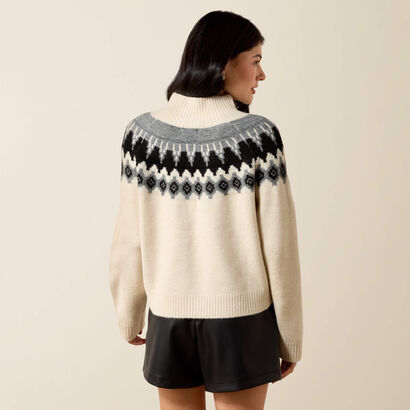
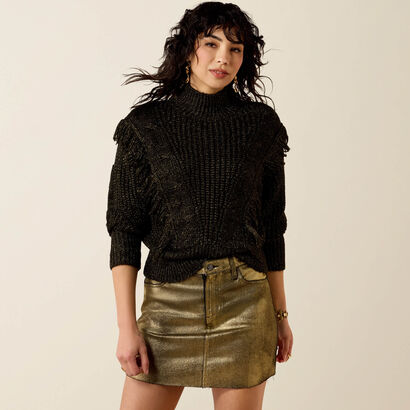
A sweater or cardigan should let you move your arms comfortably without pulling across the shoulders or bunching at the underarms. A close-fitting pullover should sit smoothly over your intended base layer; leave more room in a cardigan if you plan to wear it over a shirt. Use the Willa Sweater to compare a pullover’s pictured fit with the shape you want.
This collection lists sizes from XS through 2XL, though availability varies by style. Measure your bust and consult the size chart for the specific garment; check its listed length and fit details to decide where you want the hem to fall.
What Details Affect Everyday Wear?
Knit weight, sleeve length, and closure affect how a layer works in your wardrobe. A lighter-feeling knit may be easier to layer under a jacket, while a roomier style leaves space over a shirt; a button or half-zip opening makes coverage adjustable. Materials and performance features vary by product, so check the individual listing rather than assuming every sweater uses the same fabric or technology.
How Do You Care for Knit Layers?
Follow the care label on your specific sweater or cardigan first. When the label permits washing, turn the garment inside out and wash on cold with similar colors. Avoid high heat; dry as directed on the label to help preserve the knit’s shape and color. Fold a knit for storage if hanging causes its shoulders to stretch.
Ariat was founded to bring athletic-footwear innovation to equestrian boots. Today, its apparel includes knit layers for days that move between the barn and everyday plans; choose the style, fit, and care requirements that suit how you’ll wear it.
Frequently Asked Questions About Women’s Sweaters & Cardigans
What’s the difference between a sweater and a cardigan?
A cardigan is a sweater with an open front, often worn over another top. A pullover sweater goes on over your head. Choose a cardigan when you want to remove or adjust a layer easily; choose a pullover for a simpler, closed-front look.
When is a sweater vest a useful choice?
A sweater vest adds a knit layer without covering your arms. It can work over a long-sleeve shirt when you want the sleeves visible and unrestricted. Check the vest’s fit over the shirt you intend to wear beneath it.
How much room should a cardigan have over a shirt?
A cardigan should close or hang comfortably over your intended shirt without pulling across the shoulders or underarms. Try moving your arms while layered. If you prefer a roomier look, compare the style’s fit details and size chart before sizing up.
Which details matter most when comparing knit styles?
Start with the opening, sleeve length, fabric details, and intended layering fit. Buttons and half-zips offer adjustable coverage; a pullover does not open at the front. The product listing and care label provide the details for a particular garment.
What’s the safest way to wash a sweater or cardigan?
Read its care label before washing, since instructions differ by knit and fabric. If machine washing is permitted, turn it inside out and wash cold with similar colors. Avoid high heat, and follow the label’s drying instructions to help maintain its shape.