

Lightweight Boots
34 items
34 items
34 Results














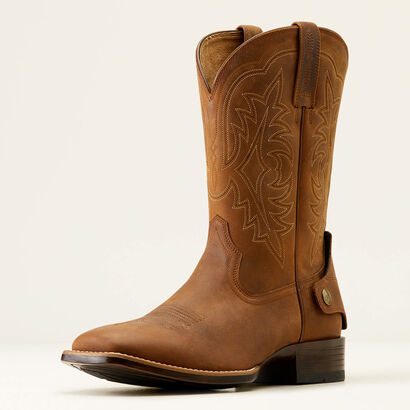


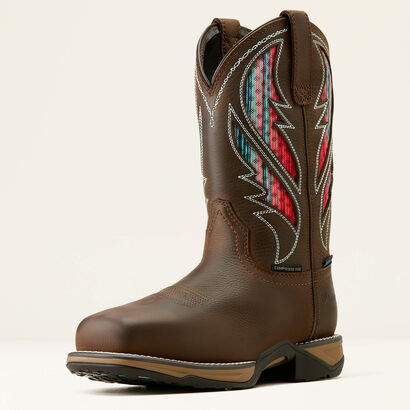


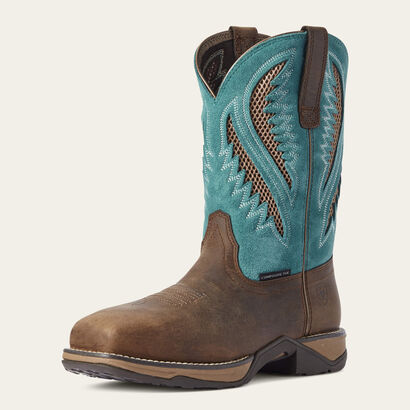

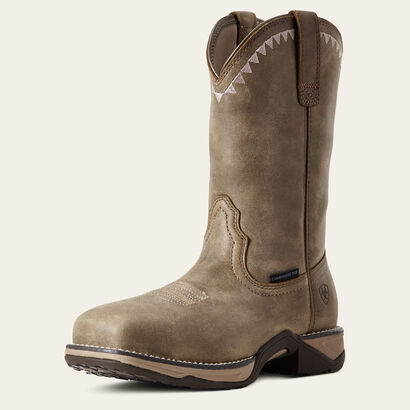


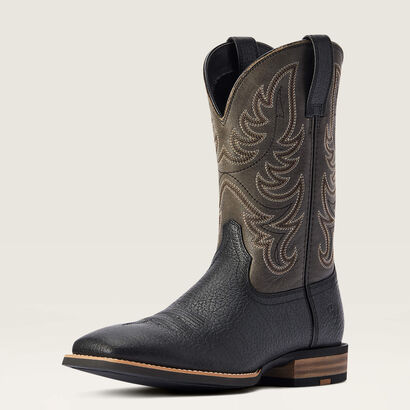

More About Lightweight Boots
Lightweight Boots
Lightweight boots are boots built with lower-bulk materials and supportive construction for work, ranch, Western, and everyday wear. They are intended to help reduce heavy underfoot feel while still offering the traction, comfort, and feature options needed for long days on your feet.
How do you choose lightweight boots?
Start with the way you will wear them: jobsite work, ranch chores, riding-adjacent Western wear, or all-day casual use. For long shifts in warm conditions, lightweight work boots that combine lower-bulk construction with airflow-focused details can help feet feel cooler; Breathable Work Boots helps narrow options toward cooler builds for demanding days.
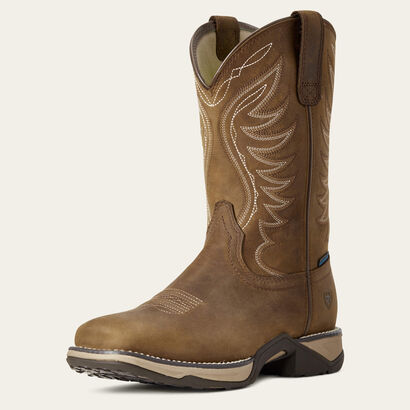
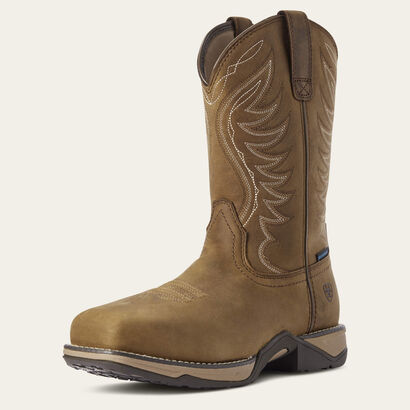
If your job requires toe protection, lightweight safety boots should be selected by safety-toe type, outsole needs, waterproof preference, and shaft height; Men's Safety Toe Work Boots is a useful path for protective jobsite options. Composite toe boots use non-metal toe protection and are often chosen when shoppers want safety coverage without a traditional steel toe; the Anthem VentTEK Waterproof Composite Toe Work Boot is a waterproof composite-toe work option for shoppers comparing lightweight protective footwear.
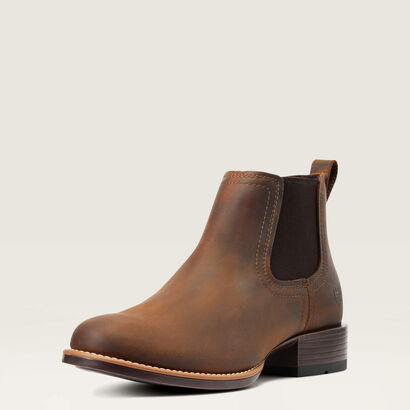
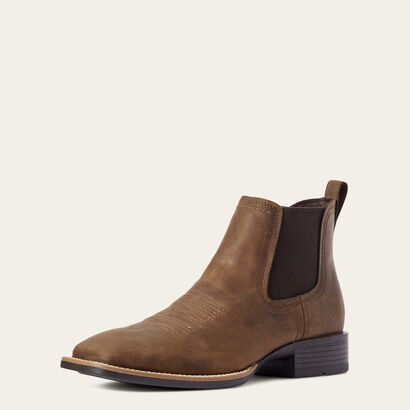
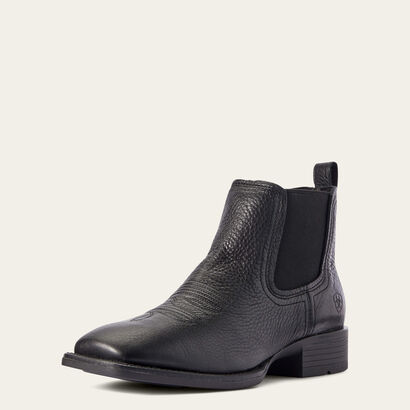
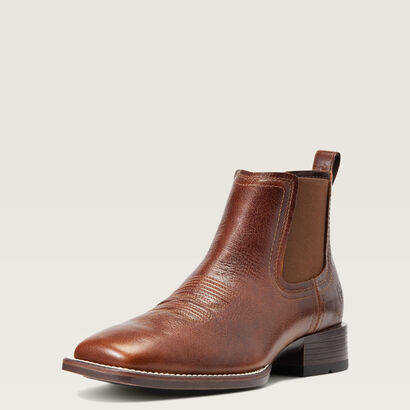
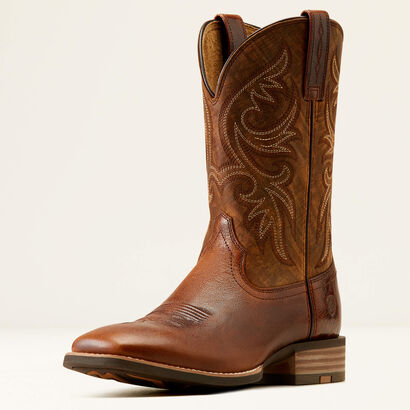
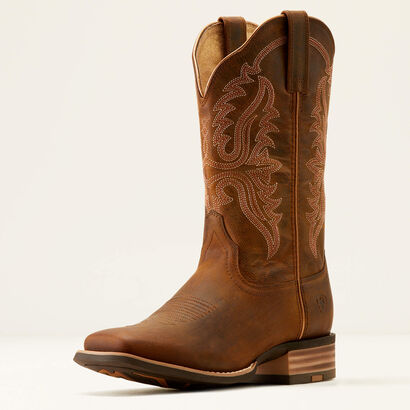
For easy-on Western style with a lower-profile feel, the Booker Chelsea Wide Square Toe Western Boot offers a pull-on Chelsea silhouette for everyday wear. If wet grass, mud, or changing weather are part of your day, the Anthem Waterproof Western Boot is a waterproof option to compare against non-waterproof lightweight styles.
How should lightweight boots fit?
A lightweight boot should feel secure at the heel, comfortable through the ball of the foot, and roomy enough at the toe that your toes can move without sliding forward. Pull-on Western boots may have a small amount of heel lift at first, but the boot should not pinch, rub sharply, or feel loose through the instep.
Use the page filters to compare men's, women's, and kids' options, including sizes shown from 5.5 through 15 and widths such as B-Medium, C-Wide, D-Medium, EE-Wide, and B-Narrow where available. For detailed fit checks, How Should Work Boots Fit explains how comfort, fatigue, and protection are affected by the way a work boot sits on your foot.
Choose toe shape based on comfort and use: square, wide square, round, and cutter toe options create different forefoot feels. If you need more room through the forefoot, compare wide-width filters and use Best Work Boots for Wide Feet to understand what to look for before selecting your size.
Which technologies matter in lightweight boots?
ATS® technology is designed to help support stability and alignment during long days on varied ground. 4LR™ technology is built to provide cushioning and support for everyday work and wear.
VentTEK™ cooling mesh helps move air through targeted areas, making it useful when lightweight construction and heat management both matter. For seasonal guidance, Best Summer Work Boots can help shoppers choose work boots for hot conditions where lighter builds and breathability are priorities.
Waterproof construction helps keep feet dry in wet conditions, while still requiring care and proper use for the environment. Duratread™ outsoles are formulated for wear resistance and flexibility, helping lightweight boots stay practical for active days.
Safety-toe needs should match the jobsite requirement first, then the preferred feel and material. Shoppers comparing protective options can use Lightweight Steel Toe Boots for steel-toe styles or Men's Composite Toe Work Boots for non-metal safety-toe work boots.
How do you care for lightweight boots?
Brush off dirt and grit after wear, especially around seams, soles, and pull tabs. Let damp boots air-dry at room temperature away from direct heat, then condition leather as appropriate for the specific finish.
For waterproof styles, clean the surface regularly so mud and debris do not wear down materials over time. Always follow the care label or product care guidance for your specific boot, since leather, mesh, waterproof, and safety-toe constructions can require different maintenance.
Ariat was founded to bring athletic-shoe thinking to riding and work footwear, pairing traditional bootmaking with performance technology. That purpose fits lightweight boots especially well: the goal is dependable comfort, practical protection options, and durable construction without unnecessary bulk.
Frequently Asked Questions About Lightweight Boots
What are lightweight boots used for?
Lightweight boots are used for work, ranch, Western, and everyday wear when shoppers want a less bulky feel underfoot. Many styles still include supportive footbeds, durable outsoles, waterproof options, or safety-toe choices.
Are lightweight work boots protective?
Some lightweight work boots are protective, depending on the style and its listed features. Look for safety toe, composite toe, waterproof construction, and outsole details when protection is required for your job.
What is the difference between composite toe boots and steel toe boots?
Composite toe boots use non-metal toe protection, while steel toe boots use a steel protective cap. The right choice depends on jobsite requirements, preferred feel, and whether non-metal construction is important to you.
Can lightweight boots be worn for ranch work?
Yes, many lightweight boots can be worn for ranch work if the outsole, shaft height, waterproofing, and toe protection match the task. For heavy-duty hazards, choose a work-specific style with the features your environment requires.
How should lightweight safety boots fit?
Lightweight safety boots should feel secure through the heel and instep, with enough toe room that the safety cap does not press into your toes. Try them with the socks you wear at work and check fit while standing and walking.
Should I choose waterproof or breathable lightweight boots?
Choose waterproof lightweight boots for wet ground, mud, or changing weather. Choose breathable lightweight boots when heat, airflow, and long warm-weather shifts are the bigger priority.
How do I maintain lightweight leather boots?
Clean off dirt after wear, air-dry damp boots naturally, and condition leather when the finish calls for it. Avoid high heat, which can dry out leather and affect comfort over time.