
Men's Farm & Ranch Boots
26 items
26 items
In 49+ Carts


In 59+ Carts


In 53+ Carts


In 52+ Carts


In 47+ Carts


More About Men's Farm & Ranch Boots
Men's Farm & Ranch Boots
Men’s farm and ranch boots are footwear for daily chores and outdoor work, chosen to suit the ground, weather, and tasks at hand. This collection includes Western ranch styles and other work-ready designs; Roper vs. Cowboy Boots explains two Western styles you may encounter while comparing pairs.
How Do You Choose Ranch Boots?
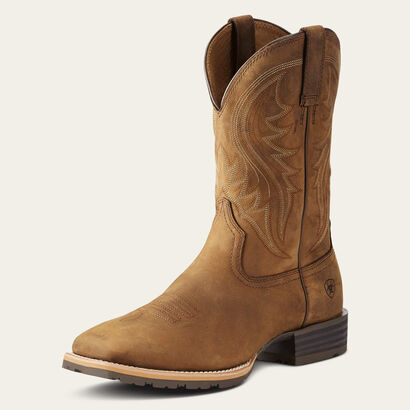
Choose men’s farm and ranch boots by starting with the work: look for tread and underfoot support for long days on uneven ground, and a waterproof-labeled style for wet chores. A Hybrid Rancher Western Boot is a Western ranch option to compare, while the Hybrid Rancher Waterproof U Toe Cowboy Boot offers a waterproof-labeled alternative.
If easy on-and-off is a priority, compare Men’s Pull-On Work Boots. For a broader look at Western shapes and designs, use Cowboy Boot Styles alongside Men’s Cowboy Boots; choose the pair whose features match your actual work, not its appearance alone.
How Should Ranch Boots Fit?
Farm and ranch boots should feel secure through the instep without pinching, with room for your toes and no excessive movement as you walk. Try them on with your work socks, check the size chart for the specific style, and compare the listed D-medium, EE-wide, and B-narrow width options where available. This collection lists sizes 6–15, though availability varies by style; How to Fit Cowboy Boots offers more guidance for pull-on Western pairs.
What Features Matter on the Job?
For rough ground and long workdays, look for an outsole suited to the terrain, supportive underfoot construction, and a fit that remains comfortable while walking and working. ATS® technology is designed to support stability; where listed on a style, Duratread™ outsoles are formulated for wear resistance and flexibility.
For wet chores, check the individual boot’s waterproof designation, such as the Hybrid Rancher Waterproof Western Boot. A waterproof ranch boot is not a substitute for footwear suited to prolonged standing water or deep muck. If your job requires a protective toe, compare Men’s Carbon Toe Work Boots and confirm the individual boot meets your workplace requirements.
How Do You Care for Ranch Boots?
Brush off dirt after work and let boots dry naturally before storing them. For leather pairs, use a cleaner and conditioner appropriate to the leather, following the care directions for your specific style; avoid direct heat, which can dry leather. Because materials vary, check the details for your pair when browsing Hybrid Rancher Boots before selecting care products.
Ariat was founded to bring athletic-shoe innovation to equestrian footwear. That performance-first approach remains relevant to farm and ranch boots built for long days across changing ground and conditions.
Frequently Asked Questions About Men's Farm & Ranch Boots
What makes a boot a farm and ranch boot?
A farm and ranch boot is selected for hands-on outdoor tasks, with fit, underfoot support, and an outsole suited to the work. Styles differ: a Western pull-on boot and a shorter work boot may serve different chores.
Are Western ranch boots suitable for every farm task?
No. Match the boot to the ground, weather, and job requirements. A Western ranch style may suit everyday chores, but deep standing water calls for different footwear, and work requiring a protective toe calls for a boot with the specified protection.
How much room should my toes have in pull-on ranch boots?
Your toes should move comfortably without pressing against the front or sides. The instep should hold the boot securely without pinching. Try on both boots with your usual work socks and walk around before choosing a size or width.
Should I choose waterproof farm and ranch boots?
Choose a waterproof-labeled style if wet grass, rain, or muddy chores are part of your day. Check the individual product details: waterproof construction can help keep feet dry in wet conditions, but a ranch boot is not necessarily suited to deep water.
How often should I clean leather ranch boots?
Remove surface dirt after use and allow the boots to dry naturally when damp. Clean and condition the leather as its condition and the product’s care directions require; use products appropriate to that leather rather than assuming every finish needs the same treatment.