
Composite-Toe Boots
91 items
91 items


In 77+ Carts
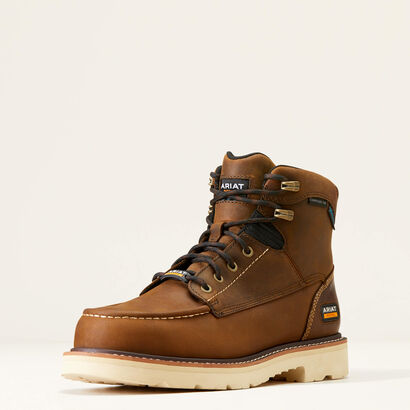

In 84+ Carts


In 78+ Carts


In 51+ Carts
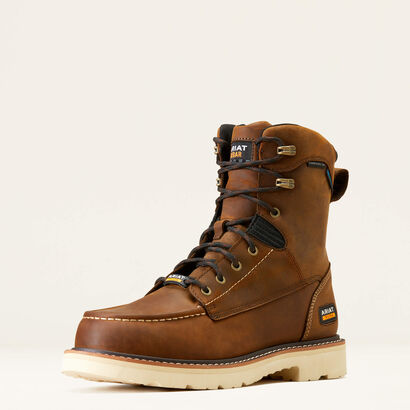


In 52+ Carts





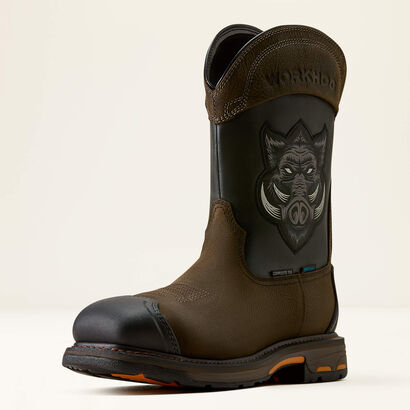
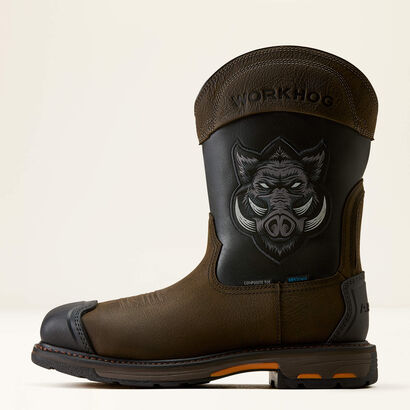


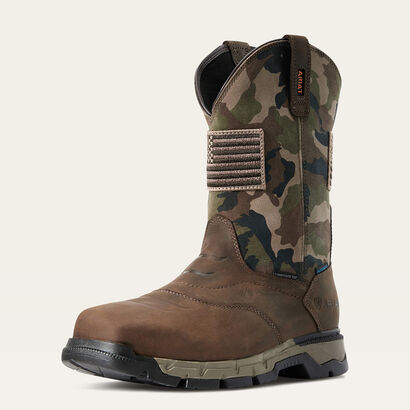

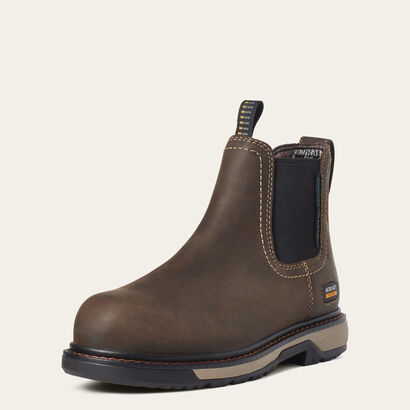


More About Composite Toe Boots
Composite Toe Boots
Ariat Composite toe boots are work boots with a non-metallic protective toe cap designed to provide added toe protection while reducing reliance on steel. They are available in different profiles and shaft heights, including the taller options found in 8-Inch Safety Toe Work Boots.
How Do You Choose Composite Toe Boots?
Choose composite toe boots by matching the boot’s documented safety rating and performance features to your workplace, work surface, weather, and daily tasks. Review each product’s specifications and your employer’s requirements rather than assuming every composite toe is approved for every job.
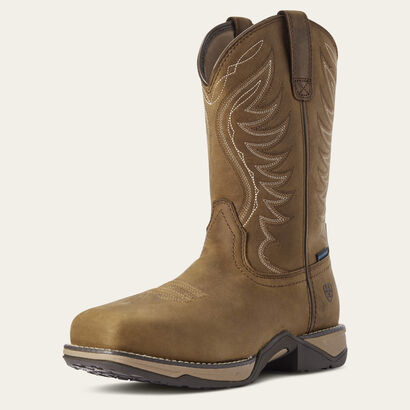
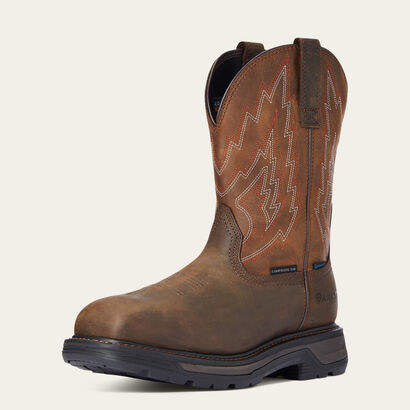
For wet jobs, look for waterproof construction rather than a boot described only as water resistant. Pull-on shoppers can consider the WorkHog Waterproof Composite Toe Work Boot, while the Rebar Wedge Chelsea Waterproof Composite Toe Work Boot offers a Chelsea profile with a wedge outsole. The Anthem Waterproof Composite Toe Work Boot provides a women's waterproof option.
Also consider shaft height, lace-up versus pull-on construction, insulation, toe shape, cushioning, and an outsole suited to the surface underfoot. Shoppers working on demanding jobsites can compare the criteria in What Are the Best Construction Boots? and browse job-focused Construction Boots.
How Should Composite Toe Boots Fit?
Composite toe boots should leave approximately 1/2"—about a thumb’s width—between the longest toe and the front of the boot when standing in normal work socks. Toes should move freely without touching the front, top, or sides of the rigid cap, while the heel and midfoot should feel secure without painful pressure.
Try both boots on later in the day, then walk, bend, and use stairs or an incline if available. Do not expect break-in to correct toe-cap contact because the protective cap will not stretch. Ariat's displayed assortment includes multiple standard, wide, narrow, and extra-wide options, along with men's and women's sizes; consult the specific product size chart because available sizes and widths vary by style. See How Should Work Boots Fit? for additional length, width, and heel checks.
Which Performance Features Matter?
Shock Shield® technology is designed to help diffuse heel-strike impact on styles that include it.
ATS® technology is designed to provide stability and support during long periods on varied ground.
4LR™ technology is designed to provide cushioning and stability in applicable work-boot styles.
VentTEK™ construction uses cooling mesh intended to promote airflow in warm working conditions.
The BOA® Fit System provides a dial-based closure on equipped styles, allowing the wearer to adjust the fit without conventional laces.
A slip-resistant outsole is designed to provide added traction, but shoppers should verify the exact outsole rating and intended surface on the product page. Electrical-hazard protection is a separate specification, so workers around qualifying electrical hazards should review EH-Rated Boots and confirm workplace requirements. Environments that require electrostatic-dissipative footwear call for a different designation; compare ESD Composite Toe Shoes when ESD performance is required.
How Do You Care for Composite Toe Boots?
Remove surface dirt after wear, clean the upper with products appropriate for its material, and let wet boots air-dry away from direct heat. High heat can dry or damage leather, adhesives, waterproof membranes, and other boot components.
Condition leather as directed for the specific finish, avoid saturating the boot unnecessarily, and follow the care instructions supplied with the style. During break-in, increase wear time gradually rather than soaking the boots or forcing the toe box; How to Break In New Work Boots provides additional guidance. Inspect the outsole, seams, upper, and safety-toe area regularly, and replace boots that show significant damage or have sustained a major impact according to workplace policy.
Ariat was founded to create innovative footwear for riders and has carried that performance-focused approach into work boots built for demanding environments. Ariat composite toe boots bring together protective-toe options, job-specific constructions, fit choices, and comfort technologies for men and women working across varied conditions.
Frequently Asked Questions About Composite Toe Boots
Are composite toe boots lighter than steel toe boots?
Composite toe caps use non-metallic materials and can feel lighter than comparable steel toe caps, although total boot weight depends on the sole, upper, insulation, and construction. Compare complete boot specifications instead of choosing solely by toe material.
How much room should composite toe boots have?
Allow approximately 1/2" between the longest toe and the boot’s front while standing in normal work socks. Your toes should move without contacting the safety cap, and the heel and midfoot should remain secure without pinching.
Are composite toe boots suitable for electrical work?
A composite toe alone does not establish electrical-hazard protection. Choose a boot carrying the electrical-hazard rating required by your employer and verify the product label, because EH and ESD are distinct workplace designations.
Are all composite toe boots waterproof?
No. Composite toe describes the protective cap, not the boot’s resistance to water. For wet conditions, select a style specifically identified as waterproof and follow its care instructions to help maintain the waterproof construction.
How long do composite toe boots take to break in?
Break-in time varies by material, construction, and wearer, but boots should never depend on break-in to resolve safety-cap pressure. Begin with shorter wear periods and stop if you experience persistent pinching, numbness, or toe contact.