
Squared Toe Work Boots
55 items
55 items









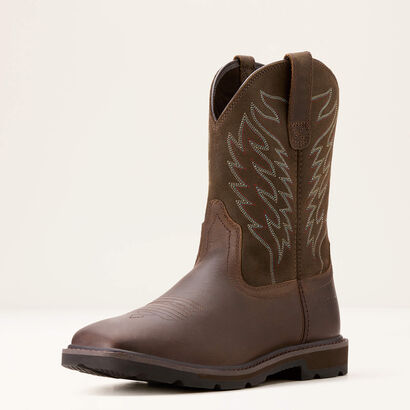


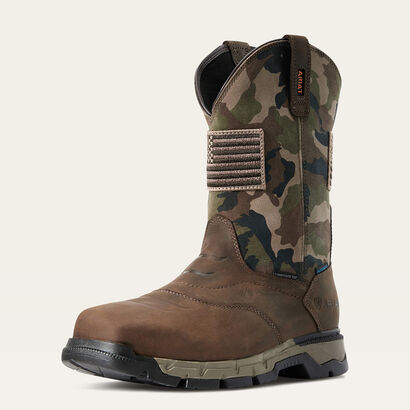


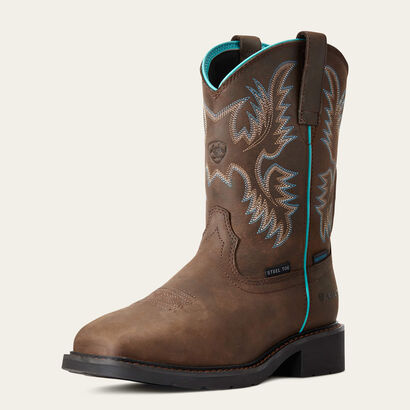


More About Square Toe Work Boots
Square Toe Work Boots
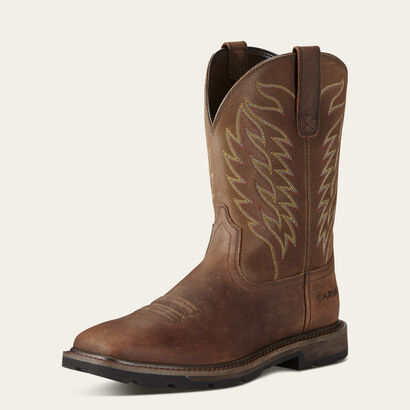
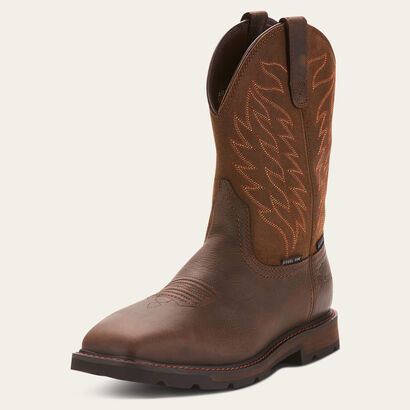
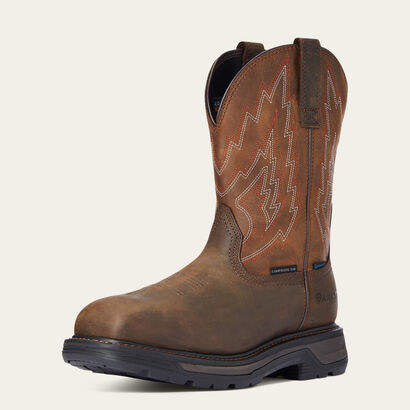
Ariat Square toe work boots are job-ready boots with an angular, roomier toe shape, designed for demanding work while giving the forefoot space to spread naturally. The collection includes soft, steel, composite, and carbon safety-toe choices, including the Groundbreaker Wide Square Toe Steel Toe Work Boot for shoppers who want a wide square profile with steel-toe protection.
How Do You Choose Square Toe Work Boots?
Choose square toe work boots by matching the toe protection, shaft height, outsole, weather resistance, closure, and fit to your job conditions. Start with the safety requirements set by your employer or work site: soft toes suit jobs without a required protective cap, while steel, composite, and carbon toes address different protection, weight, and non-metallic preferences when the product’s stated rating meets the job requirement.
For taller coverage with protective toes, compare 8-Inch Safety Toe Work Boots. The Ironside Square Toe Steel Toe Work Boot is a specific steel-toe option, while What Are the Best Construction Boots? offers more guidance on evaluating protection, comfort, durability, traction, and job-site suitability.
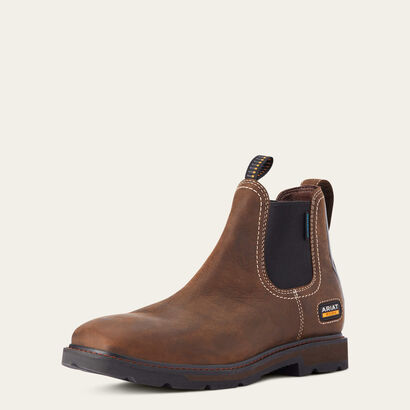
Also consider how the boot goes on and stays secure. Pull-on boots offer a traditional work-Western profile, while lace-up and BOA® options allow more adjustment through the instep and ankle; shaft choices from 6" to 11", depending on style, let you compare lower and taller coverage.
How Should Square Toe Work Boots Fit?
Square toe work boots should feel snug and secure through the heel, instep, and midfoot without pinching, while leaving about a thumb’s width ahead of the longest toe and enough room to wiggle every toe. In a safety-toe boot, the toes should not press against the protective cap at the front, sides, or top; break-in can soften materials, but it cannot correct the wrong length or width.
Try boots on later in the day with the same work socks you expect to wear, since feet can swell over a shift. Walk, bend, and use an incline if available: the heel should stay secure with only minor movement, the foot should not slide forward, and no seam or cap edge should create a pressure point.
This collection currently shows sizes from 5.5 through 18, depending on the style, with B-Narrow, B-Medium, C-Wide, D-Medium, EE-Wide, and 4E width options. Consult the size chart on each product because availability and sizing can vary; How Should Work Boots Fit? provides additional checks for the toes, heel, instep, and width.
Which Features Matter in Square Toe Work Boots?
Safety and performance features should match the hazards and conditions of the job rather than serve as substitutes for a required workplace rating. Composite Toe Work Boots provide non-metallic protective-toe options, while EH-Rated Work Boots help shoppers identify styles designed and tested for specified electrical-hazard conditions; always verify the rating listed for the individual boot.
Waterproof construction is useful for recurring rain, mud, wet grass, or puddles, but it may be unnecessary for primarily indoor or hot, dry work. The WorkHog XT Bolt Skull Waterproof Wide Square Toe Work Boot combines a wide square toe with waterproof construction, while Breathable Work Boots prioritize airflow for warm working conditions.
ATS® technology is designed to support stability and underfoot comfort during long days. 4LR™ technology is designed to provide lightweight support and cushioning. Shock Shield® technology helps diffuse heel-strike impact. VentTEK™ technology combines ventilation and mesh panels to encourage airflow. The BOA® Fit System uses a dial-based closure for quick, adjustable tension. Slip-resistant outsoles are designed to improve traction, but no outsole is slip-proof on every surface.
How Do You Care for Square Toe Work Boots?
Remove dirt after wear, let damp boots air-dry away from direct heat, and follow the care instructions for the specific leather, waterproof membrane, and outsole. Use a soft brush for dried mud, wipe remaining dirt with a slightly damp cloth, and apply a compatible leather conditioner only after the boots are clean and dry.
Do not use heat to speed drying, since high temperatures can damage leather, adhesives, and waterproof components. Rotate pairs when possible, allow the interior to dry between shifts, and address worn outsoles or damaged safety-toe areas promptly; How to Break In New Work Boots explains how to ease into longer wear without treating pain or a poor fit as normal.
Ariat was founded to bring athletic-footwear innovation to riding boots, and that performance-minded approach extends to square toe work boots built for long days in demanding environments. The collection combines Western-informed profiles with modern cushioning, stability, safety-toe, weather, ventilation, and closure options for different jobs and working conditions.
Frequently Asked Questions About Square Toe Work Boots
Are square toe work boots better than round toe work boots?
Square toe work boots generally provide more room across the forefoot, which can suit wider feet or shoppers who prefer extra toe space. Round toes have a more tapered profile. Neither is universally better; choose the shape that fits securely without pressure.
What should I look for when fitting a steel toe boot for the first time?
Wear your normal work socks and test the boots late in the day. Your toes should not touch the steel cap, the heel should remain secure, and the instep should feel snug without pressure. Confirm the product’s safety rating before purchase.
Should square toe work boots be waterproof?
Choose waterproof square toe work boots if you regularly work in rain, mud, puddles, snow, or wet vegetation. For mostly indoor or hot, dry conditions, breathable non-waterproof footwear may feel better. Prioritize required protection, fit, and traction first.
Is a composite toe better than a steel toe for daily work?
Composite toes are non-metallic and may feel lighter or transfer less cold than steel, while steel toes offer a traditional protective-cap construction. The better choice depends on workplace rules, required ratings, environmental conditions, and your preference for weight and materials.
How often should square toe work boots be cleaned?
Brush off loose dirt after each dirty shift and clean embedded grime before it can dry into the material. Condition compatible leather as needed rather than on a fixed schedule, air-dry wet boots away from heat, and follow the individual product’s care instructions.