

Women's Black Work Shoes
1 item
1 item

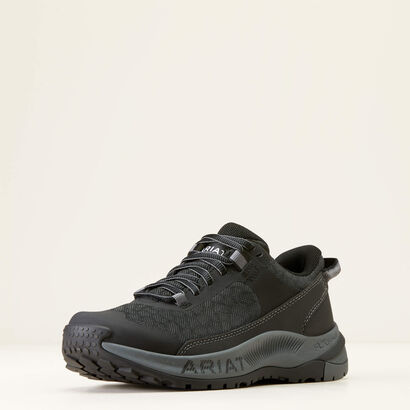

More About Women’s Black Work Shoes
Women’s Black Work Shoes
Women’s black work shoes are work-ready footwear in a versatile color, chosen for the fit and features a job requires. Unlike a general-purpose casual shoe, a work shoe should be evaluated against the surfaces, hours on your feet, and any footwear rules at your workplace.
How Do You Choose Work Shoes?
Start with your workplace requirements: check whether you need slip resistance, electrical-hazard protection, or a specified safety-toe rating, then verify those details on the individual product. For indoor shifts, weigh underfoot comfort and traction against unnecessary bulk; for regularly wet conditions, look for a style specifically labeled waterproof rather than assuming every work shoe is. The Outpace Shift Work Shoe is the black women’s work-shoe option listed on this page; review its specifications against your job’s requirements before choosing it.
How Should Black Work Shoes Fit?
A work shoe should hold your heel and midfoot securely while leaving your toes room to move without pressing the front. Try on both shoes with your work socks, walk on a firm surface, and check that your foot does not slide forward or feel pinched; do not count on discomfort disappearing with wear. This page currently lists sizes 5.5, 6, 10.5, 11, and 12, with B-Medium and C-Wide width filters; check the current size chart and availability for your chosen style rather than treating those listed sizes as a continuous range.
Which Features Matter During a Shift?
Slip resistance matters when your workplace has slick surfaces, but no outsole should be treated as slip-proof; confirm that a style’s stated features meet your workplace rules. 4LR™ is offered as a comfort-and-stability benefit on select styles, so check the individual shoe’s details to see which features it includes. Electrical-hazard and nonmetallic filter labels are also available here; verify the applicable product specifications and required ratings before relying on either for your job.
How Do You Care for Black Work Shoes?
Brush off dry dirt and wipe the uppers after shifts, then let the shoes air-dry away from direct heat. Follow the care instructions for the shoe’s specific upper material before applying a cleaner or conditioner, and inspect the outsoles regularly for embedded debris or wear that could affect traction.
Ariat was founded to bring athletic-footwear innovation to riding boots. That focus on performance underfoot informs its work footwear: start with the demands of your shift, then choose the fit and documented features that suit them.
Frequently Asked Questions About Women’s Black Work Shoes
What makes a black shoe suitable for work?
A black shoe is suitable for work when its fit and documented features meet your workplace requirements. Color alone does not establish slip resistance, electrical-hazard protection, or a safety-toe rating, so check the individual shoe’s specifications and your employer’s footwear rules.
Should I choose waterproof black work shoes?
Choose waterproof footwear if wet conditions are a regular part of your work and the particular style is labeled waterproof. For predominantly dry, indoor shifts, prioritize the fit and required job features rather than assuming waterproof construction is necessary.
How can I tell whether a work shoe fits properly?
Your heel and midfoot should feel secure, and your toes should move without pressing the front. Try both shoes with work socks and walk in them; pinching, persistent rubbing, or your foot sliding forward signals a fit to reconsider.
Can I use these shoes where safety toes are required?
Only if the individual shoe carries the safety-toe specification your workplace requires. A work-shoe listing or a nonmetallic filter does not, by itself, confirm steel, composite, or carbon-toe protection; check the product details and your employer’s rules.
How should I clean black work shoes?
Remove loose dirt, wipe the uppers, and let the shoes air-dry away from direct heat. Use cleaning products appropriate for the specific upper material, follow that style’s care instructions, and check the outsoles for debris and wear.