
Cowboy Hats: The Staple of Every Western Wardrobe
A cowboy hat is the staple of a western wardrobe. Whether you like a wool, straw or leather finish, a cowboy hat allows you to add a little western flair to your outfit, whatever the occasion.
Cowboy hats are more than just a piece of headwear - they are a symbol of western lifestyle. Traditionally worn by ranchers to protect their heads from adverse weathers, cowboy hats have grown from a vital piece of western clothing to a fashion statement across the world. Whether worn on the ranch, at a country music festival, or as a bold style accessory, cowboy hats continue to reflect a rich heritage while remaining relevant in current culture.
A Brief History of the Cowboy Hat
Cowboy hats have been a staple piece of equipment on ranches and farms in the US for decades. Inspired by Spanish wide-brim hats and Mexican sombreros, cowboy hats feature wide brims and a high crown, and were traditionally designed to keep a rancher's head protected from the weather, making them a vital part of a cowboys everyday outfit.
As the western lifestyle became more prevalent in modern culture, cowboy hats became an accessory rather than a requirement, with a range of styles and materials used to make them more relevant to the fashion of today.

Our Cowboy Hat Collection
Here at Ariat, we are authentic to the western lifestyle in all of our western clothing and footwear. That’s why we’ve created cowboy hats that combine traditional styling and materials to ensure you get the most authentic western finish to your outfit.
Wool Cowboy Hats
Our wool cowboy hats are made in Mexico, and are 100% wool in a 3x select wool felt. Combined with a leather sweatband and a wool felt hatband with buckle detailing, these cowboy hats perfectly combine fashion-forward styling with traditional finish for a cowboy hat that takes you from the ranch to the dance floor with ease.
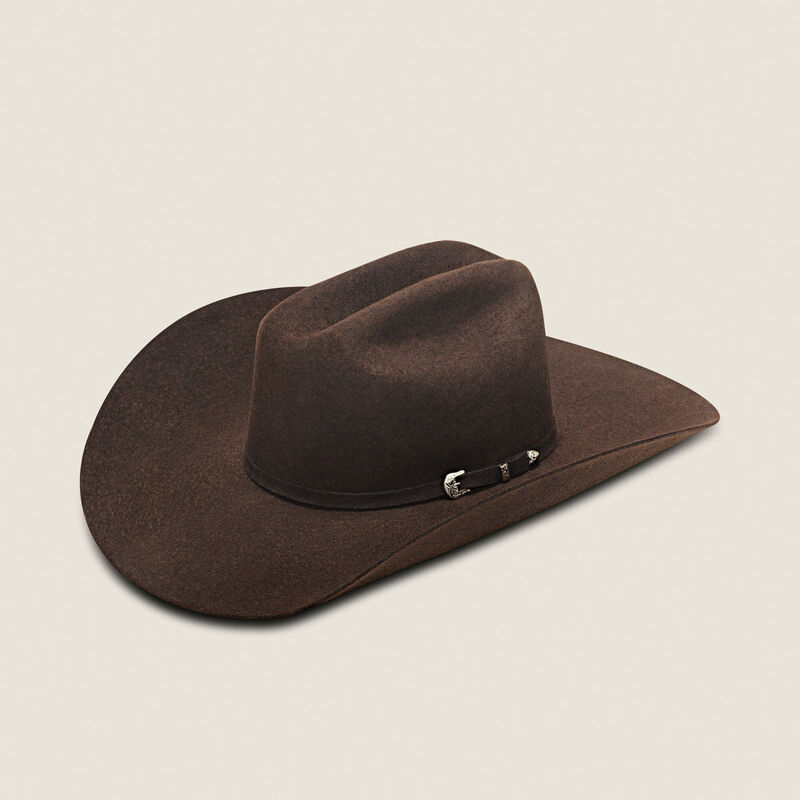
€150.00
Available in 3 colours, our wool cowboy hat is a nod to authentic western heritage, combining traditional materials and modern craftsmanship for a hat that lasts for years to come.
Straw Cowboy Hat
Our straw cowboy hat is a great option for cooler weather. Made in Mexico from 10x finely woven straw, this cowboy hat is the perfect authentic design. Designed to last, our straw cowboy hat is lacquer coated and features a genuine leather sweatband and a stylish diamond pattern woven into the crown, and is combined with a double black cord hat band with Ariat hardware for a great finish.
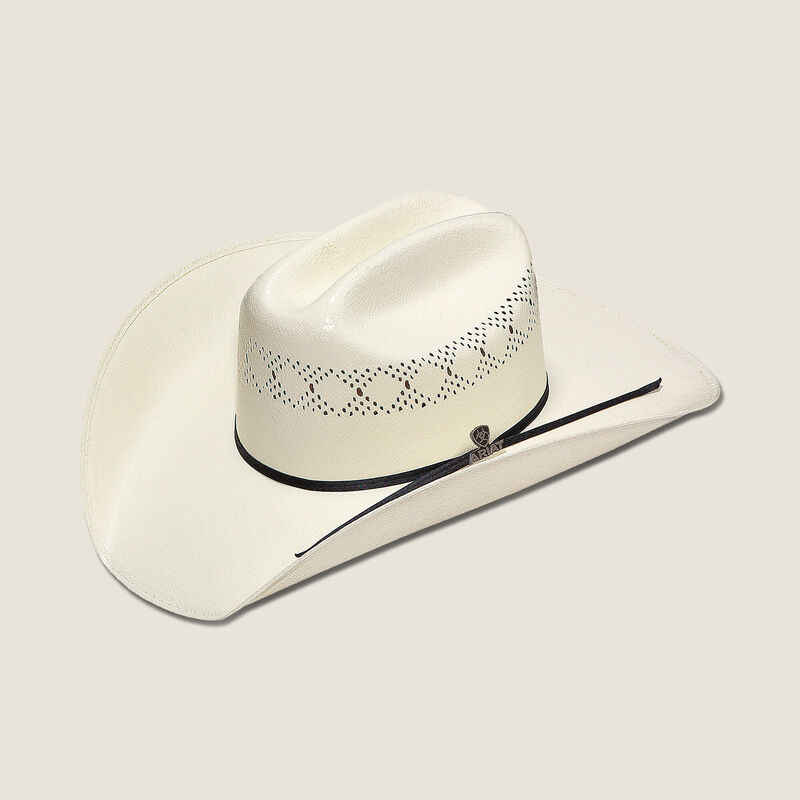
€80.00
Embrace the western lifestyle with our straw cowboy hat; inspired by western heritage, designed to last.
How to Fit a Cowboy Hat
Measuring For Your Cowboy Hat
To measure your head for a cowboy hat, use a soft measuring tape, and measure around the head, just above the eyebrows. Our cowboy hats are designed to sit low on the head, so this will give you the closest measurement.
Tips for Fitting Your Cowboy Hat
- Once the hat is on, you want to be able to tip your head without the hat falling off.
- You also want to ensure you have room to move your eyebrows/forehead without slipping.
Cowboy Hat Materials: Wool vs Straw?
The difference between wool and straw cowboy hats may influence your decision when purchasing your next cowboy hat. The main difference between the two styles is their wearability within different climates and weathers. Wool cowboy hats are a great option for autumn or winter, as they are warmer and more durable in adverse weather. Straw cowboy hats are a great option for spring and summer, as they are generally more breathable and cooler to wear for long periods. Our handy guide below gives a breakdown on the main differences between these styles, and what occasions they are best suited for.
Feature | Wool Cowboy Hat | Straw Cowboy Hat |
Breathability | Low | High |
Heat | Warm | Cool |
Durability | Good | Fair |
Water Resistant | Fair | Fair |
Occasionwear | More traditional and dressy | More casual |
Seasonality | Autumn/Winter | Spring/Summer |
5 Rules of Cowboy Hat Etiquette
- Always remove your cowboy hat from the crown, not the brim. By removing your cowboy hat with the brim, you will misshape your cowboy hat.
- When placing your hat down on a surface, always place it on its crown. This avoids the brim becoming misshapen.
- Make sure you wear your hat the correct way round. Our Ariat cowboy hats are designed so the size label is placed at the back, and the buckle detailing sits on the left side of the head.
- Know when to wear your hat - traditionally, you should wear your straw summer cowboy hat from April through September, and your wool cowboy hat from September to April.
- Never put your cowboy hat on a bed!
How to Style a Cowboy Hat
Cowboy hats can add a western flair to almost any outfit. Whether you’re pairing your cowboy hat with a western dress and cowgirl boots in the summer, or denim jeans and a western shirt, a cowboy hat is the perfect finishing touch to your outfit.

Cowboy Hats: Frequently Asked Questions
1. What are cowboy hats traditionally made from?
Cowboy hats are commonly made from wool (felt) or straw. Wool hats are a great option for the cooler months, as they will keep your head warmer, whereas straw hats are ideal for summer/warmer months, as they are more breathable.
2. How do I choose the right size cowboy hat?
Measure around your head with a soft tape measure, just above your eyebrows and ears. This measurement can then be compared to our size chart for an accurate fit. Your hat should not slip or fall off, but should sit low on the head and allow you to move your eyebrows.
3. Can cowboy hats get wet?
Straw cowboy hats should be kept as dry as possible, as moisture can weaken and warp the material. High-quality felt hats can handle light rain, but prolonged exposure to water may affect their shape. Allow a wet hat to air dry naturally.
4. How should I store and care for my cowboy hat?
Store your cowboy hat in a cool, dry place, ideally in a hat box or on a hat stand. Handle your cowboy hat with care, and only from the crown, not the brim, as this may warp the brim shape. Dust off your cowboy hat occasionally to ensure it is looking its best.
5. Are cowboy hats only worn for western events?
No. While cowboy hats are popular at rodeos, country music events, and ranches, they're also worn as everyday fashion accessories. Many people choose cowboy hats for their timeless style, sun protection, and connection to western heritage.